Ireland
The Celtic Heart of Europe
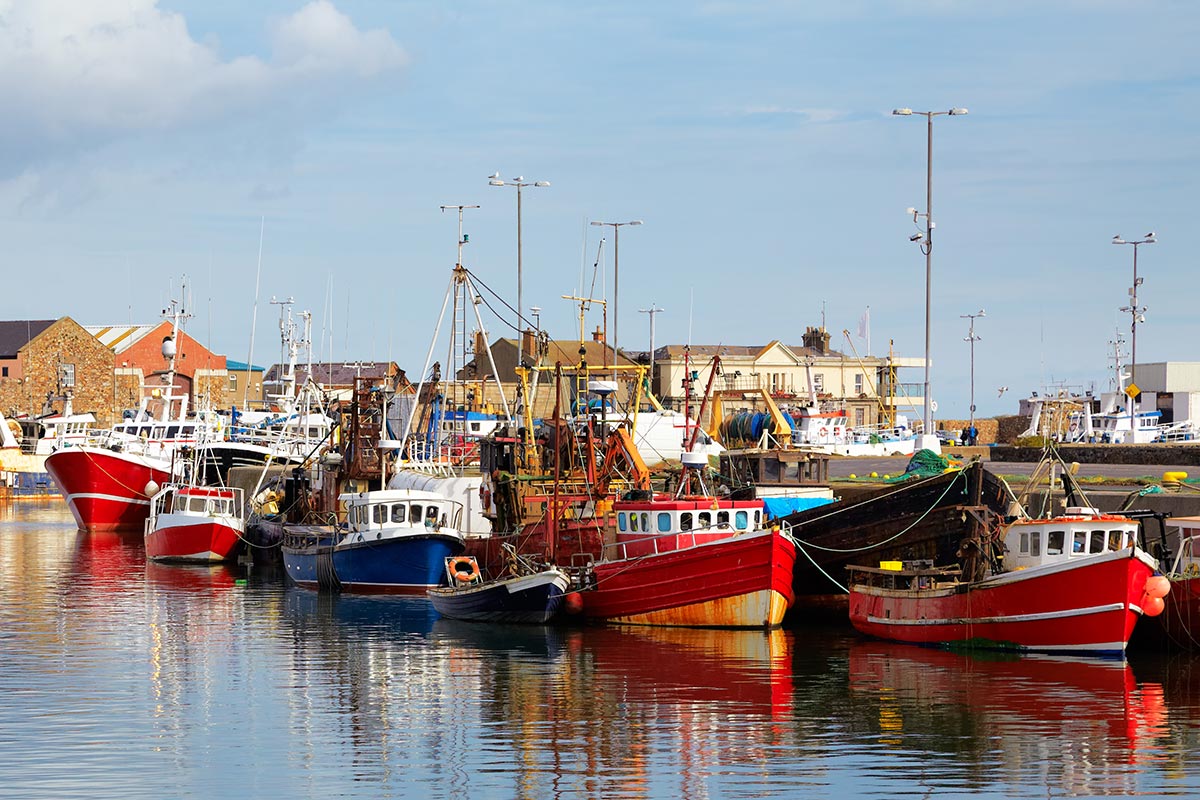
Sitting on the wild northwestern fringes of Europe, the island of Ireland is synonymous with warm hospitality and rugged beauty. Legendary cities such as Dublin and Cork need little introduction, however there are still countless hidden corners where ancient Irish tradition persists, and visitors are welcomed like old friends. From the wild windswept west coast to the bustling streets of Dublin, the trad shows of Galway and the greenery of Cork to the ancient stones of the Giant’s Causeway and Dunluce Castle, Ireland has something on offer to suit every visitor. So pull up a stool at the bar, fetch yourself a pint of stout and immerse yourself in the breathtaking scenery and warm culture of the Emerald Isle. Fáilte go hÉireann!
Area of Ireland
- 84,421 km²
Population of Ireland
- 7.3 million
- Republic of Ireland: 5.4 million
- Northern Ireland: 1.9 million
Why Travel to Ireland?
Ancient Celtic heritage, castles, vibrant cities, cosy pubs and a lush green landscape are just some of the highlights of the Emerald Isle.
The Celtic heart of Europe
Ireland is the only independent Celtic nation – Wales, Scotland, Cornwall and the Isle of Man are part of the United Kingdom, while Brittany is part of France. While English is by far the dominant language of the island, the Irish language (also known as Gaeilge) is still widely spoken in pockets of the country, mostly on the western coast.
Céad mile fáilte – a hundred thousand welcomes!
Ireland is well known for its hospitality – from the bustle of Dublin’s swanky Grafton Street to windswept coastal pubs, a warm Irish welcome is never far away, and visitors are welcomed like old friends.
Much more than spuds…
Irish produce is famous throughout the world for its quality. Surrounded by cold rich waters producing some of the best seafood in the world, Ireland is also blessed with rich fertile farmland and plentiful rainfall which nurtures delicious produce as well as exceptional meat and dairy.
Breathtaking World Heritage
With four UNESCO World Heritage Sites across the island, from the storied stones of the Giant’s Causeway in the north, to the lonely outpost of Skellig Michael in the south, visitors are spoiled for choice! Ireland also hosts three cities, Belfast, Dublin and Galway, which are inscribed as UNESCO cities of music, literature and film respectively.
Discover your roots
Ireland experienced a period of mass emigration in the 18th and 19th Centuries, especially in the wake of the devastating Potato Famine. As many as ten million people left Ireland, settling mainly in the UK, Canada, the USA, Argentina and Australia. Over 40 million people in the USA alone claim wholly or partial Irish descent. Explore your family’s Irish heritage and be welcomed home as a long-lost cousin.
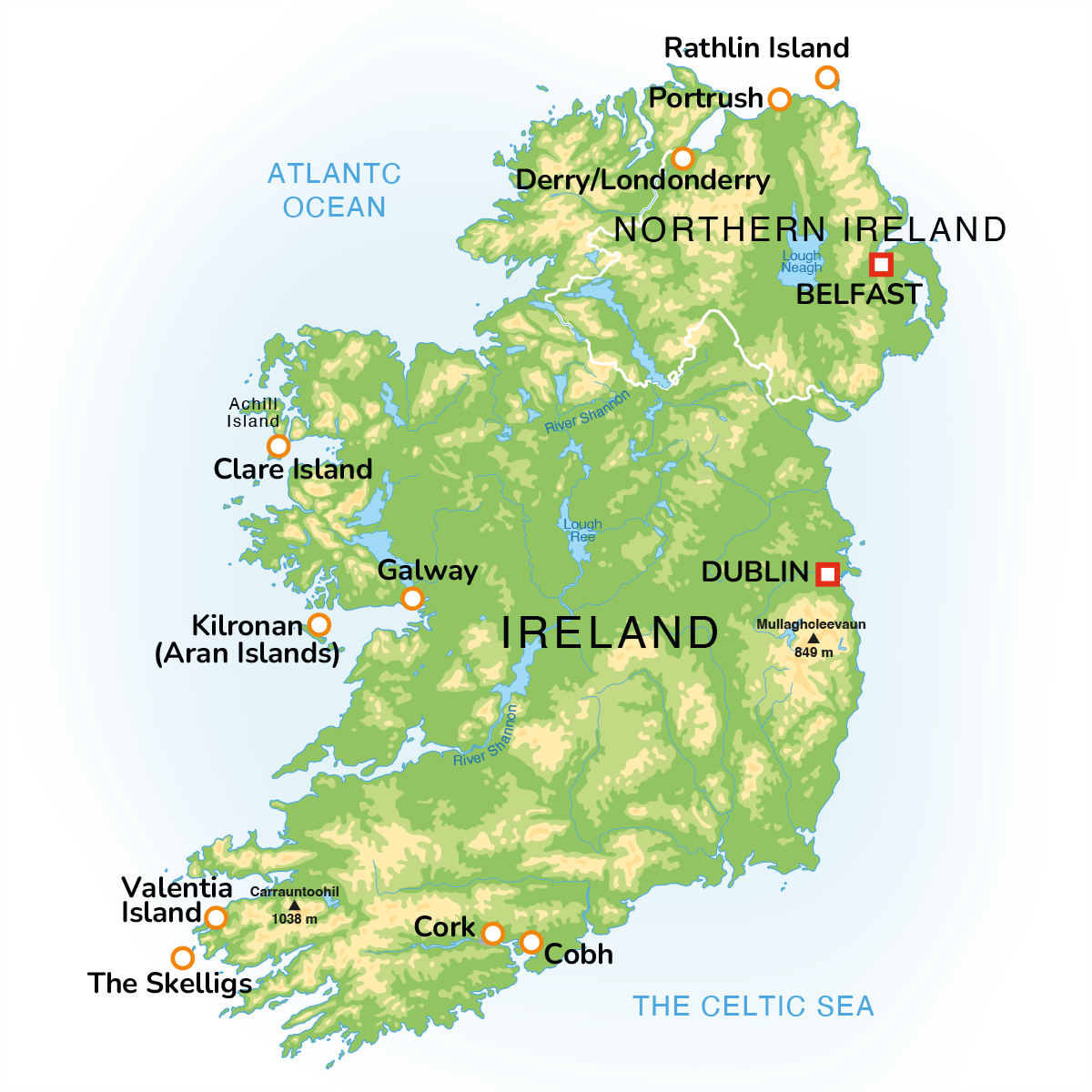
Map of Ireland
Geography of Ireland
Ireland is split into four historical regions: Ulster (north), Leinster (east), Munster (south) and Connacht (west). These are further split into 32 historical counties, 26 in the Republic of Ireland, and 6 in Northern Ireland, part of the United Kingdom. Ireland is strongly divided between east and west – the vast majority of the population lies on the east coast, largely due to its abundant and fertile soil; Dublin alone holds around a fifth of the island’s population. The rugged windswept west coast is sparsely populated by comparison.
While the mountains of Ireland are not particularly high, the majority of the island is hilly, and strong winds and frequent weather changes mimic much higher altitudes around the world. Standing at 1039m (3408ft), Carrauntouhil is the highest mountain on the island, situated on the Iveragh Peninsula in Country Kerry. There are over ten thousand lakes (usually known as loughs) in Ireland. The largest is Lough Neagh, which lies in Northern Ireland, making it also the largest lake in the United Kingdom.
From Cairns to Celtic Nation – the History of Ireland
Ireland’s history stretched back thousands of years – the ancient Neolithic monument of Newgrange is older than the Pyramids or Stonehenge. It is thought that humans could have arrived in Ireland around 12,000 years ago, crossing on foot from Wales or Cornwall at a time when glaciers covered the majority of the land. It is believed that sea level rises around 9000 years ago cut the island off from Britain. These ancient Irishmen were largely hunter-gatherers and small-scale farmers who were replaced by Celtic-speaking peoples around 600BC.
While the Romans made significant inroads into Wales and Scotland, they never conquered Hibernia (‘Land of Winter’ as they knew Ireland). A true revolution arrived with St Patrick in 432AD, a slave captured by Irish pirates who began the Irish Christian tradition that endures to this day despite subsequent Viking and Norman invasions. An uneasy patchwork of Gaelic and Anglo-Norman lordships persisted until the Tudor era, when Ireland came under British rule – a period in Irish history remembered for its oppression and cruelty, culminating in the devastating Great Famine and mass emigration from the island in the 19th Century.
Irish nationalist sentiment culminated in the Easter Rising in 1916, and a period of political violence and struggle which was brought to an end in 1922 with the Partition of Ireland between the United Kingdom and the Irish Free State. Through challenges in the 20th Century, Ireland emerged with a strong economy and well-known global brand, and today it has some of the highest economic performance and living standards in the western world, although still belied by a core of strong community and Celtic tradition.
The Wildlife of Ireland
Ireland’s landscape has been dominated by human activity for several thousand years, so the island lacks many larger animals found at similar latitudes. Additionally, Ireland was almost completely covered by glaciers during the last ice age before being isolated by rising sea levels. This explains why animals such as moles and snakes (said to have been driven from Ireland by St Patrick) are not present on the island. Although the landscape is shaped by human activity, Ireland maintains a rich marine environment rich in seabirds and marine mammals.
Northern Gannet Quick Overview Scientific Name Morus bassanus Population Estimated at 1,500,000-1,800,000 individuals globally Regions Arctic and...
Common Eider Quick Overview Scientific Name Somateria mollissima Population Estimated at close to 2 million globally Regions Arctic and North...
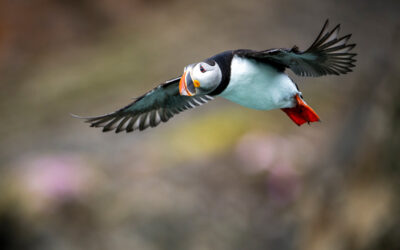
The Atlantic puffin or the “clown of the sea,” is a recognisable seabird in the North Atlantic. Famous for its beak and diving, it is essential in...
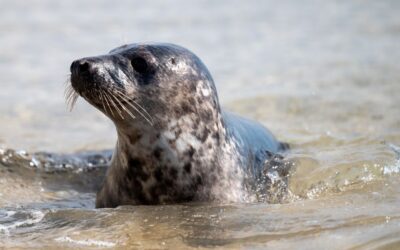
From the icy waters of Greenland to the rocky coasts of Japan, the Harbor Seal is a true survivor. Navigating waters patrolled by orcas and polar...
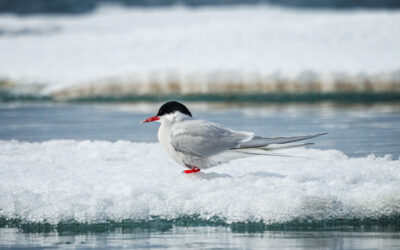
They are elegant, beautiful and remarkable birds that fly extraordinary distances. Whether you embark on one of our journeys to the Southern or...
Climate of Ireland
Ireland’s greenery is famous throughout the world, and such lushness cannot exist without the abundant rainfall which characterises the island’s weather. The climate of Ireland is dominated by the Gulf Stream, which brings warm humid air masses to the island year-round. While frequently wet and windy, the moderating effect of the Atlantic Ocean keeps the temperature relatively stable, warmer than most of Europe in winter, and cooler in summer.
| AVERAGE HIGH | AVERAGE LOW | PRECIPITATION | |
|---|---|---|---|
| January | 46.4°F (8.0°C) | 36.1°F (2.3°C) | 2.4 in (62 mm) |
| February | 47.3°F (8.5°C) | 36°F (2.2°C) | 2.1 in (52 mm) |
| March | 50.2°F (10.1°C) | 37.4°F (3°C) | 2 in (51 mm) |
| April | 54°F (12.3°C) | 39.2°F (4°C) | 2.2 in (55 mm) |
| May | 58.6°F (14.8°C) | 44°F (6.6°C) | 2.2 in (57 mm) |
| June | 64°F (17.7°C) | 48.2°F (9°C) | 2.5 in (64 mm) |
| July | 67°F (19.5°C) | 52.3°F (11.3°C) | 2.4 in (61 mm) |
| August | 66.4°F (19.1°C) | 52.2°F (11.2°C) | 2.9 in (73 mm) |
| September | 62.4°F (17°C) | 49°F (9.5°C) | 2.5 in (63 mm) |
| October | 56.5°F (13.6°C) | 44.8°F (7.1°C) | 3.1 in (78 mm) |
| November | 50.5°F (10.3°C) | 39.7°F (4.3°C) | 3.3 in (83 mm) |
| December | 47°F (8.3°C) | 36.7°F (2.6°C) | 2.8 in (72 mm) |