Woolly mammoths went extinct. Saber-toothed cats went extinct. The musk ox is still here. Encounter an Ice Age survivor on Greenland expeditions.
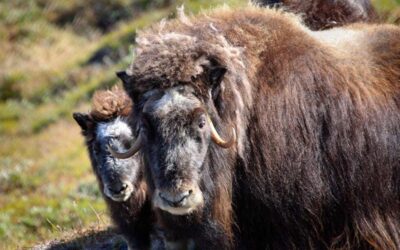
Musk Ox
read more

Woolly mammoths went extinct. Saber-toothed cats went extinct. The musk ox is still here. Encounter an Ice Age survivor on Greenland expeditions.
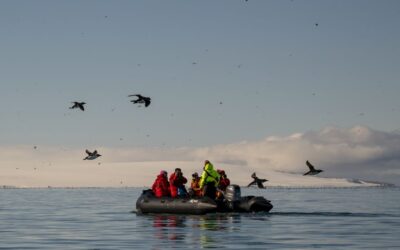
In the high Arctic, the Brünnich’s Guillemot looks a bit like a penguin until it takes to the air. It’s one of the most remarkable seabirds known for its deep dives and cliff nests.
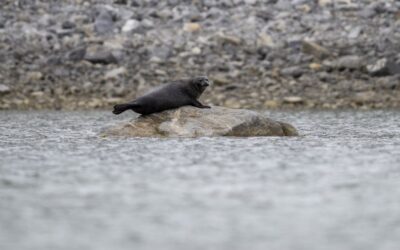
Remove the ringed seal from the Arctic and the food web collapses. It is the animal that keeps everything else alive. Find out why on a Svalbard expedition.
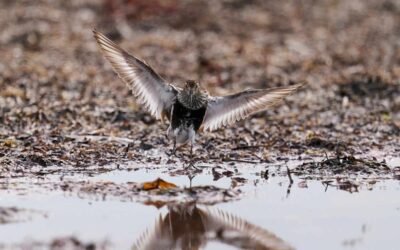
Small but fast, the dunlin breeds on Arctic tundra each summer before migrating thousands of kilometers south. Look for its black belly patch in Svalbard and Iceland.
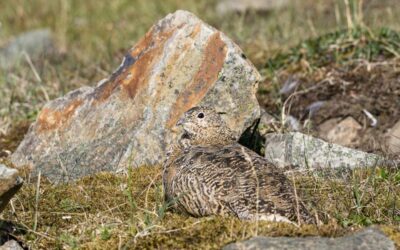
Three times a year, the rock ptarmigan vanishes. White against snow, brown against tundra, gray against scree. It never leaves the Arctic. It just becomes it.
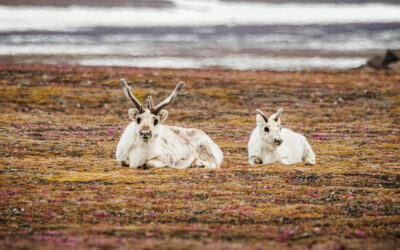
Meet the Svalbard reindeer, the smallest species of reindeer, which has evolved to endure freezing temperatures, navigate the Arctic landscape, and find food in extreme conditions.
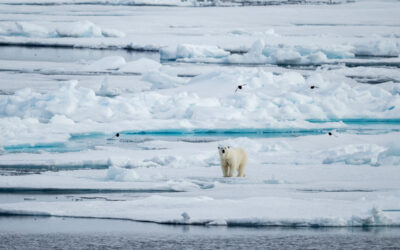
Meet the polar bear, the world’s largest bear species and the ultimate predator of the frozen north, expertly adapted to survive in extreme cold.
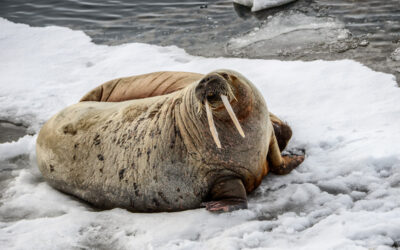
The walrus is the only species of the Odobenidae family, a part of the pinnipeds. Discover all about the walruses, from their impressive size to their charming mustaches.
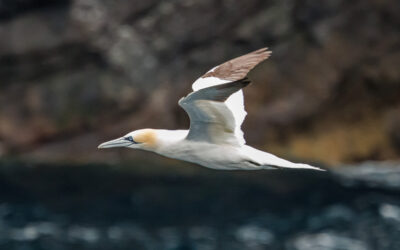
With their dramatic dives and elegant gliding flight, the Northern Gannet is one of the most iconic seabirds of the North Atlantic.
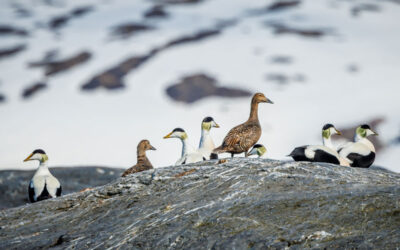
The common eider is quite recognisable: males stand out with their striking black and white plumage, while females with their brown and camouflaged feathers.
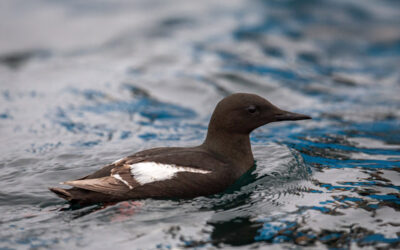
Black guillemots are easily spotted in the Arctic seas by their black bodies and bold white wing patches.
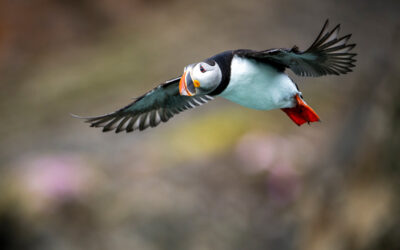
The Atlantic puffin or the “clown of the sea,” is a recognisable seabird in the North Atlantic. Famous for its beak and diving, it is essential in Arctic and sub-Arctic marine ecosystems.