
Nuuk
The Fjord
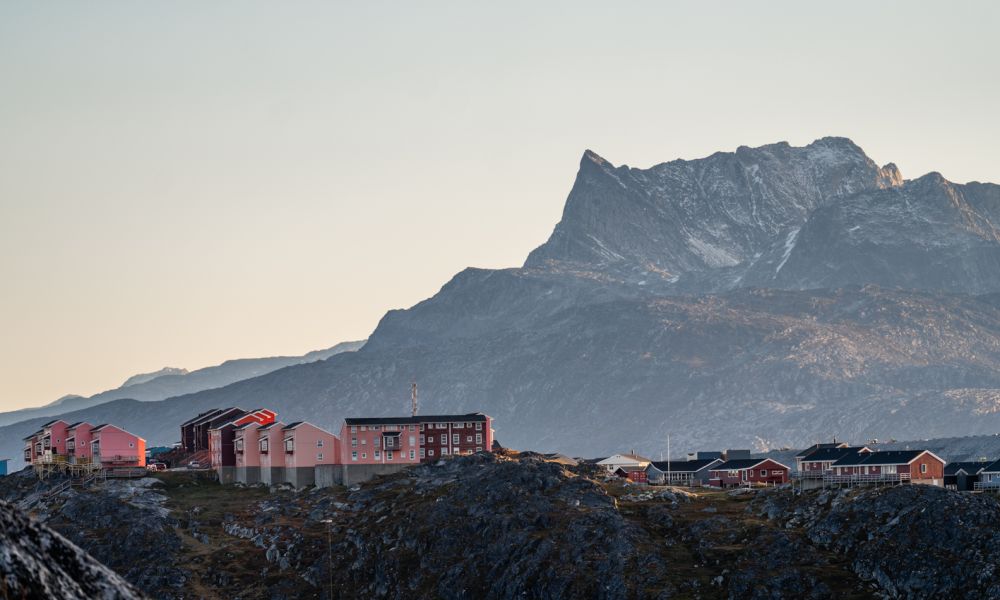
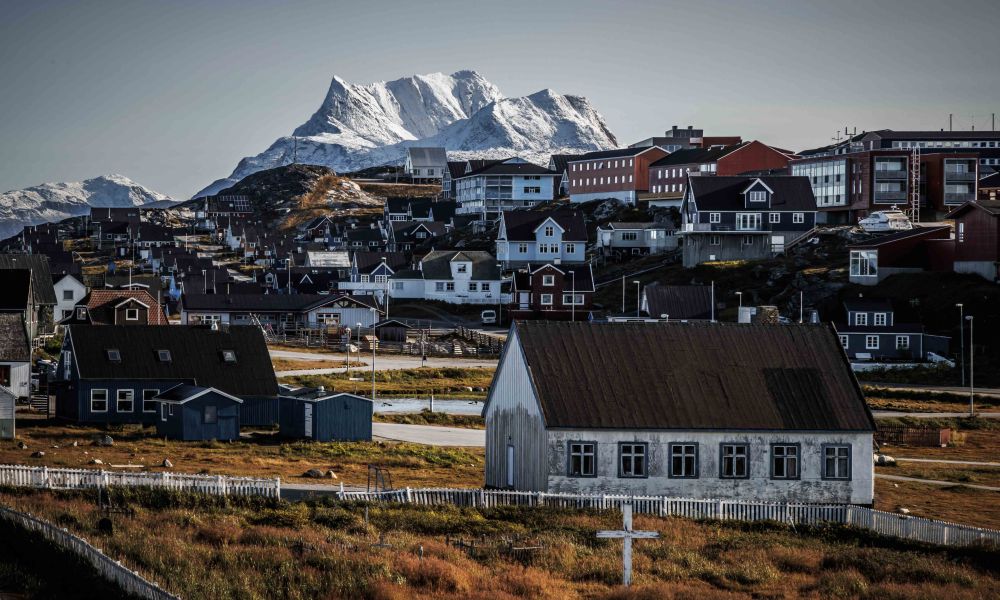
Nuup Kangerlua is one of West Greenland’s great fjords. Humpback whales feed in its waters through summer, drawn by the same upwellings that push icebergs toward the open sea. Sermitsiaq Mountain rises 1,210 m (3,970 ft) directly above the city, its silhouette visible from almost every street. For Greenlanders, the mountain is not just backdrop. It is a marker of home.
The Town
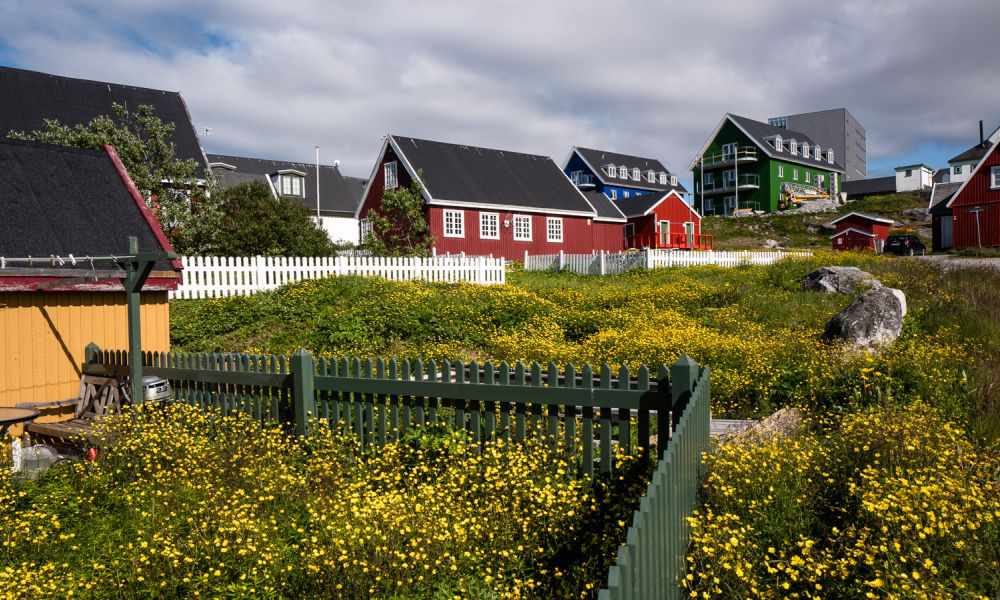
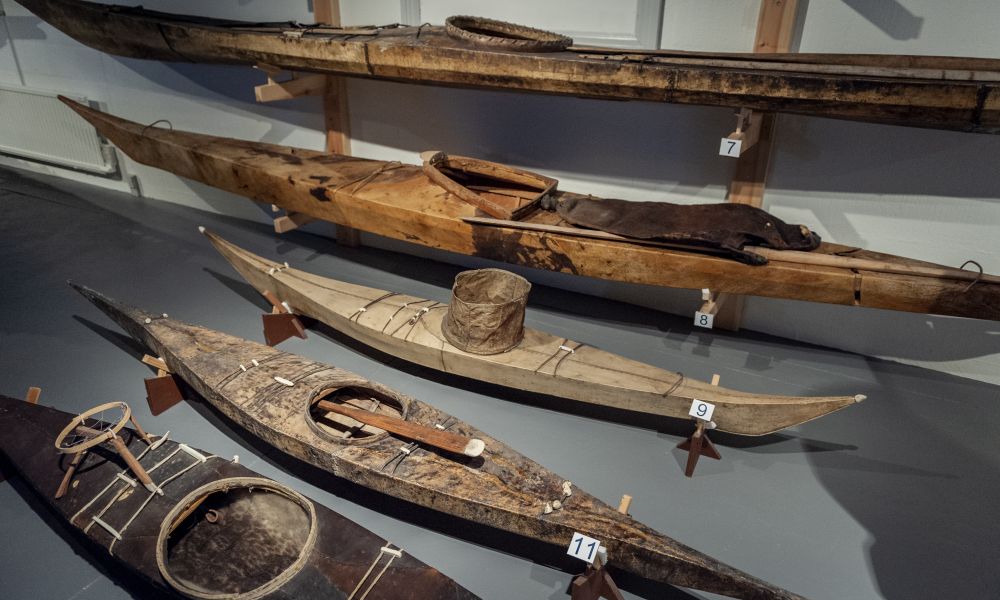
Old Nuuk, the historic core, sits a short walk from the harbor. The Greenland National Museum holds the Qilakitsoq mummies: six women and two children found preserved in a cave on Greenland’s northwest coast, dead for 500 years and still wearing their original skin clothing. The Nuuk Art Museum shows work by Greenlandic artists across several generations. The Katuaq Cultural Centre, its wood facade designed to recall the northern lights, hosts concerts, film screenings, and exhibitions year-round.
History
People have lived in and around Nuuk for at least 4,000 years. The Saqqaq culture arrived around 2200 BC. The Dorset culture followed, then disappeared before AD 1000. Norse settlers reached the area in the 10th century, and Inuit peoples settled shortly after. For roughly two centuries the two groups lived in proximity with limited contact, until the Norse disappeared in the 15th century. Why they vanished is still debated.
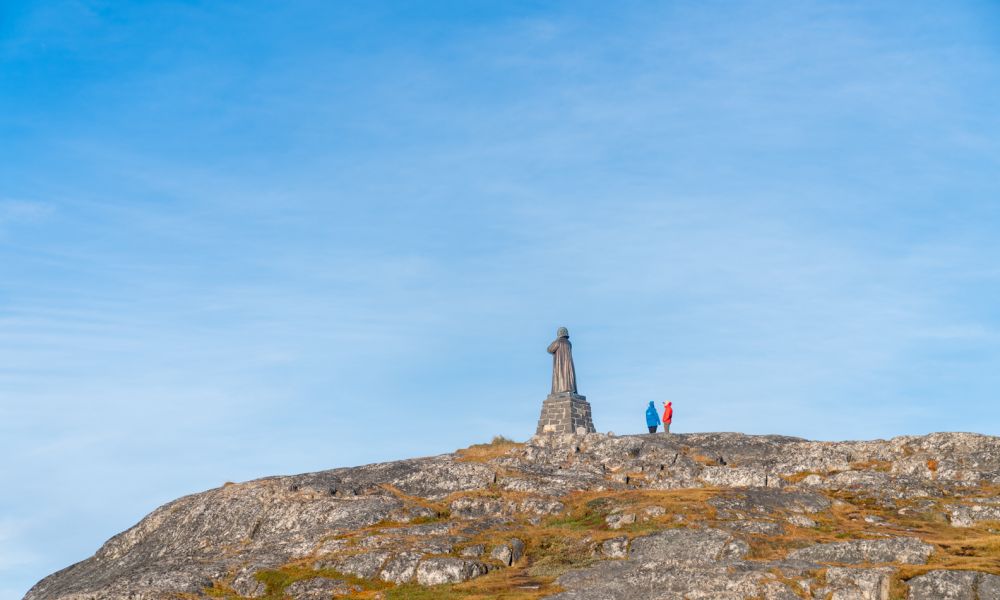
The city as it stands today dates to 1728, when Dano-Norwegian missionary Hans Egede established a colony at the Inuit settlement of Nûk and named it Godthaab, meaning “Good Hope.” His statue still stands in the old quarter. The Greenlandic name Nuuk means “cape,” a geographic description of the peninsula it sits on.
Getting There
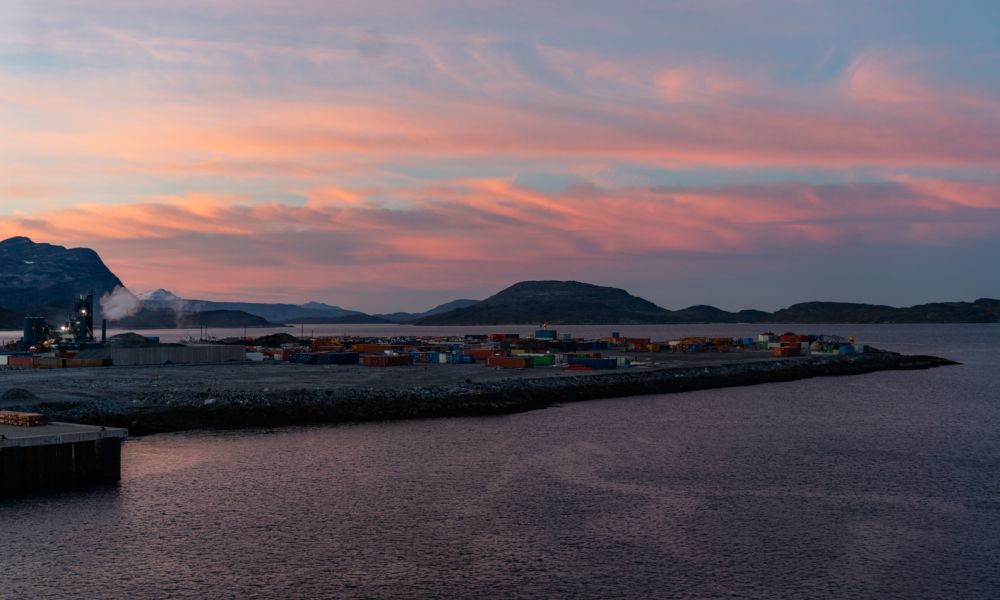
There are no direct international flights to Nuuk, but connections run regularly from Reykjavik. From Copenhagen, most travelers route through Iceland. Nuuk International Airport also connects to other Greenlandic towns via domestic service. Polar Latitudes Expeditions guests arrive by ship, pulling into the waterfront directly.
Practical Details
If you’re planning your next trip to Nuuk, Greenland, getting there is now easier. While there are no direct flights from outside Greenland (yet), you can fly to Nuuk International Airport via connections from Iceland (Reykjavik) or other Greenlandic towns. Nuuk airport serves as a key hub for domestic and international travellers venturing into the Arctic. So, if you are travelling with us on any of our Arctic trips, you might pass through this airport.
Ready to see Nuuk?
Reach out to our team to learn more about our voyages any time!