
Ringed Seal
Ringed seal At a Glance
| Scientific Name | Pusa hispida |
| Population | Estimated 6–7 million worldwide |
| Regions | Arctic and sub-Arctic coastlines of the Northern Hemisphere |
| Destinations | Svalbard, Jan Mayen, Greenland, Canada, Norway |
| Average Length | Males: ~1.6 m (~5.2 ft); Females: ~1.5 m (~4.9 ft); Pups: ~60 cm (~24 in) |
| Average Weight | Males: ~100 kg (~220 lb); Females: ~95 kg (~209 lb); Pups: ~4.5 kg (~10 lb) |
| Diet Habits | Fish, squid, and crustaceans |
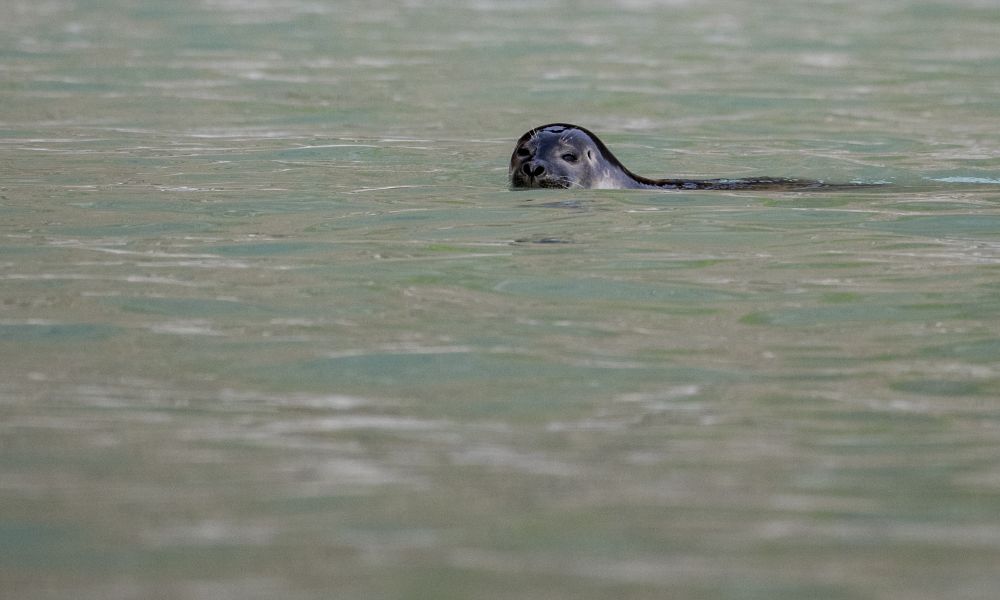
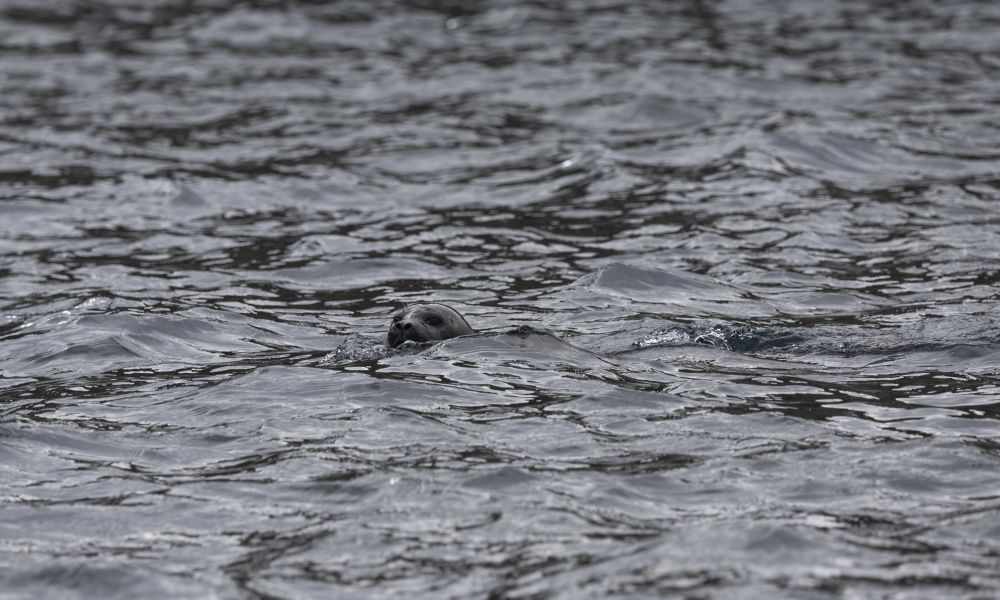
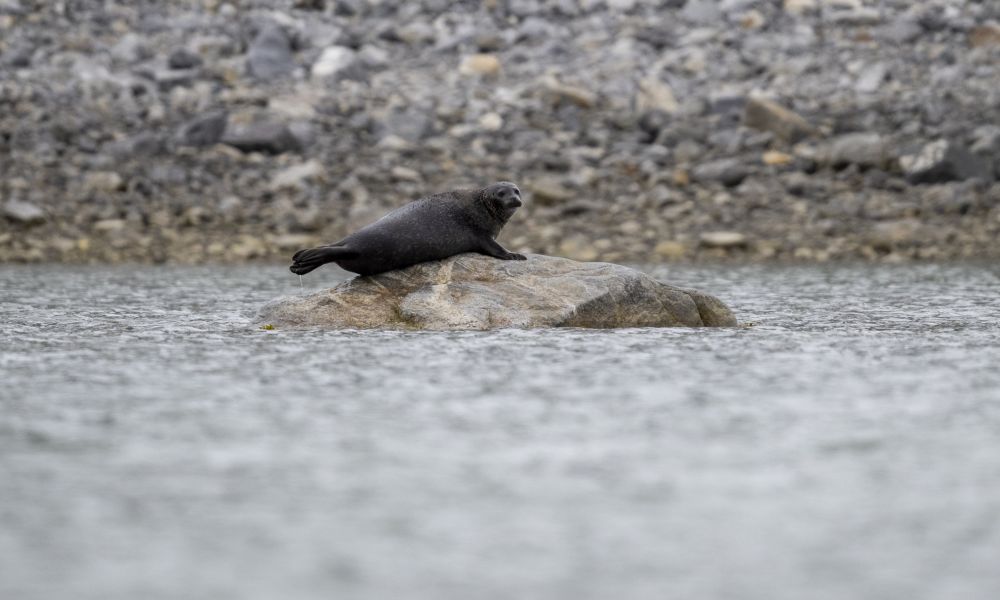
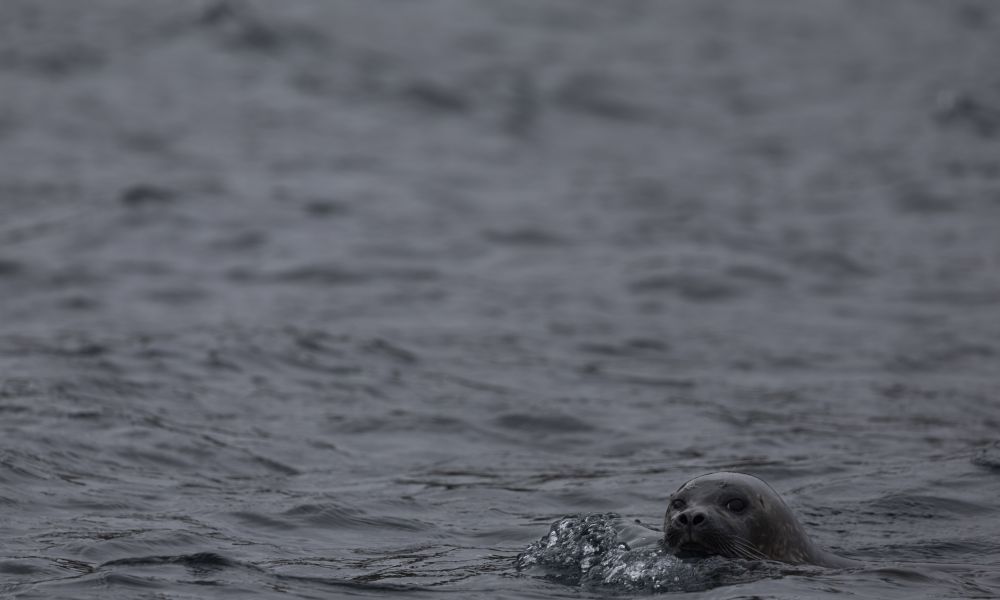
Did You Know
Ringed seals can dive to 500 meters (1,640 ft) and hold their breath for nearly 40 minutes. A polar bear waiting at a breathing hole rarely has that kind of patience, which is exactly what the seal is counting on.
Field Notes: Behavior & Biology
What does a ringed seal look like?
Where do they live?
Ringed seals are creatures of the sea ice. They use it year-round, hauling out to rest and give birth. They stay farther north than any other pinniped, remaining on permanent pack ice even when conditions become extreme. In the coldest months, when the sea freezes over completely, they disappear from view. They live under the ice, surfacing only at their breathing holes. The ringed seal is the only mammal reliably recorded at the North Pole.
How has the ringed seal adapted to Arctic conditions?
The ringed seal’s core adaptation is physiological. A thick blubber layer insulates against near-freezing water and doubles as an energy reserve. In late spring, breeding draws down fat faster than the seal can replace it. The blubber is what carries them through. The pale ringed coat provides camouflage against broken sea ice, which matters when polar bears are hunting by sight from above.
To survive under ice, ringed seals maintain a network of breathing holes through the frozen surface using the strong claws on their front flippers. They keep several holes open at once across a wide area, so if a bear stakes out one entrance, they have others. Their diving capacity is built for the same purpose. A ringed seal can reach 500 meters (1,640 ft) and stay down for nearly 40 minutes. No predator waiting at the surface can outlast that.
What do the seals eat?
Are there different types of ringed seals?
The Ladoga ringed seal faces a similar situation in Lake Ladoga in northwest Russia. It too was landlocked after glacial retreat, cut off from the Arctic population for thousands of years. Around 3,000–5,000 remain, making it endangered but less precarious than its Finnish cousin.
How long do the seals live?
What do you call this animal?
| English | Ringed Seal |
| Danish | Ringet sæl |
| Chinese | 环斑海豹 |
| Swedish | Ringad säl |
| Finnish | Norppa |
| Norwegian | Ringsel |
| Polish | Foka pierścieniowa |
| Japanese | リングドシール |
| Spanish | Foca anillada |
| French | Phoque annelé |
Want to see ringed seals in the wild?
Reach out to our team to learn more about our voyages any time!