The Americas
La Vida del Sur!
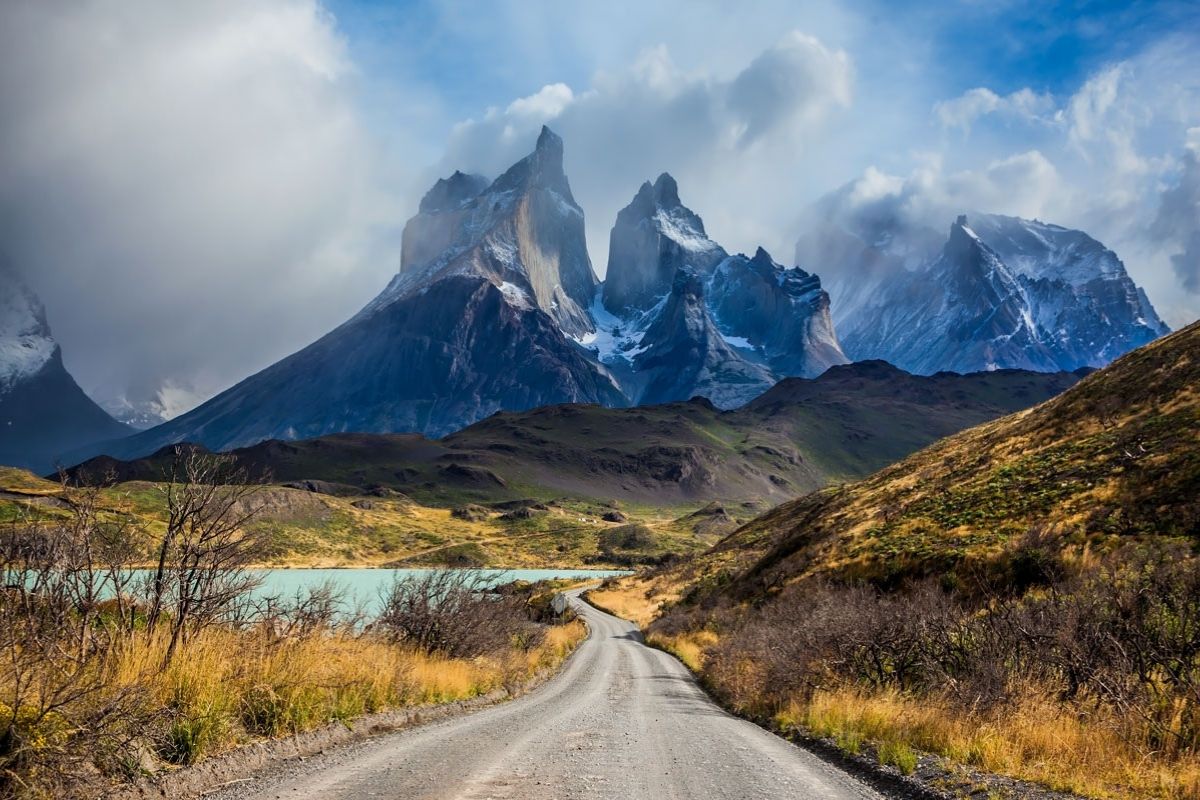
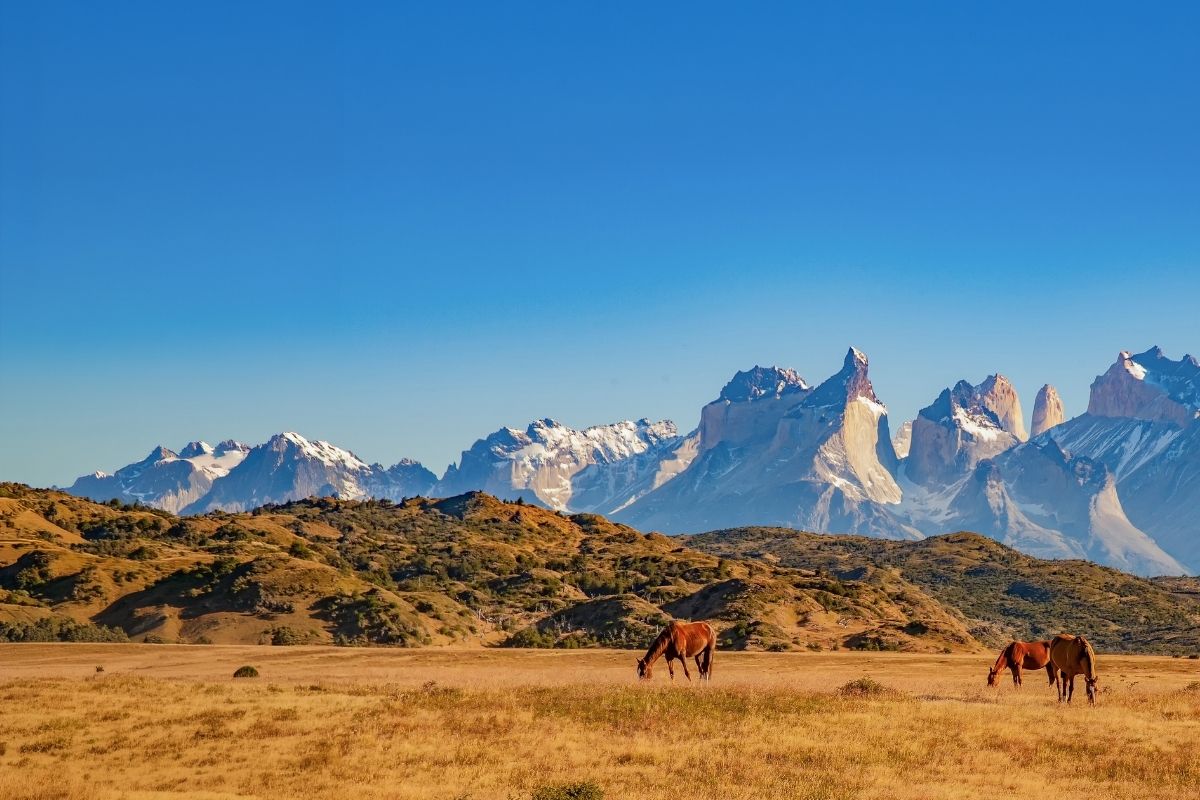
South America is Earth’s fourth-largest continent, and home to nearly half a billion people across twelve countries and three dependent territories. From the legendary peaks of Torres del Paine to the ancient mysteries of the Nazca Lines, from the icefields of Patagonia to the Amazon Rainforest and never-sleeping global cities such as Santiago, Lima and Buenos Aires, and a rainbow of people with Indigenous, African, European and Asian heritage, there is more to discover around every mountain, tree and street!
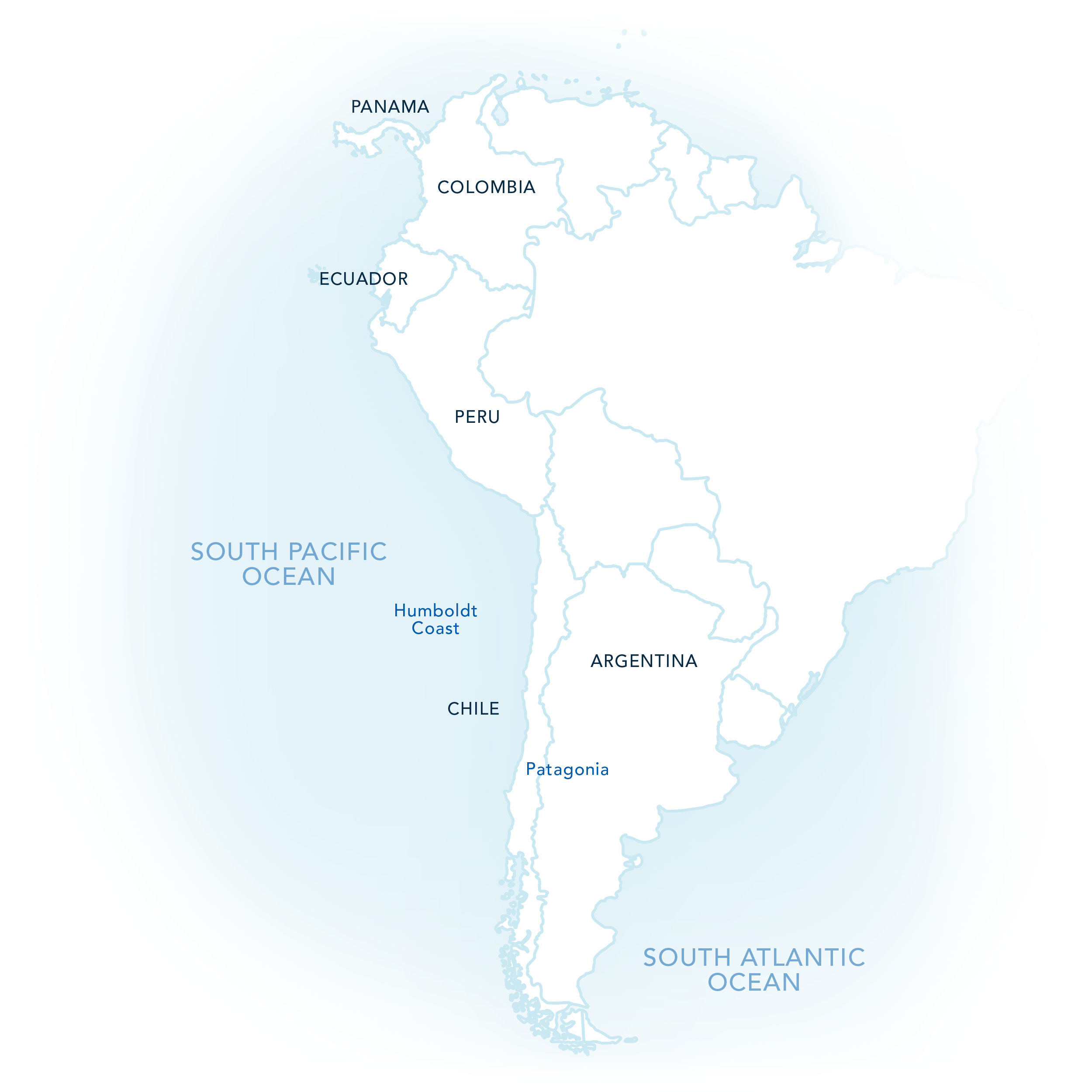
From Patagonia to Panama
- Spanish and Portuguese are the two most widely spoken languages in South America, with Brazil holding the greatest number of Portuguese speakers on Earth. Nearly 15 million people combined speak Guarani, Quechua and Aymara, while smaller immigrant communities continue to speak their heritage languages, such as Welsh in Argentine Patagonia and Japanese in Brazil.
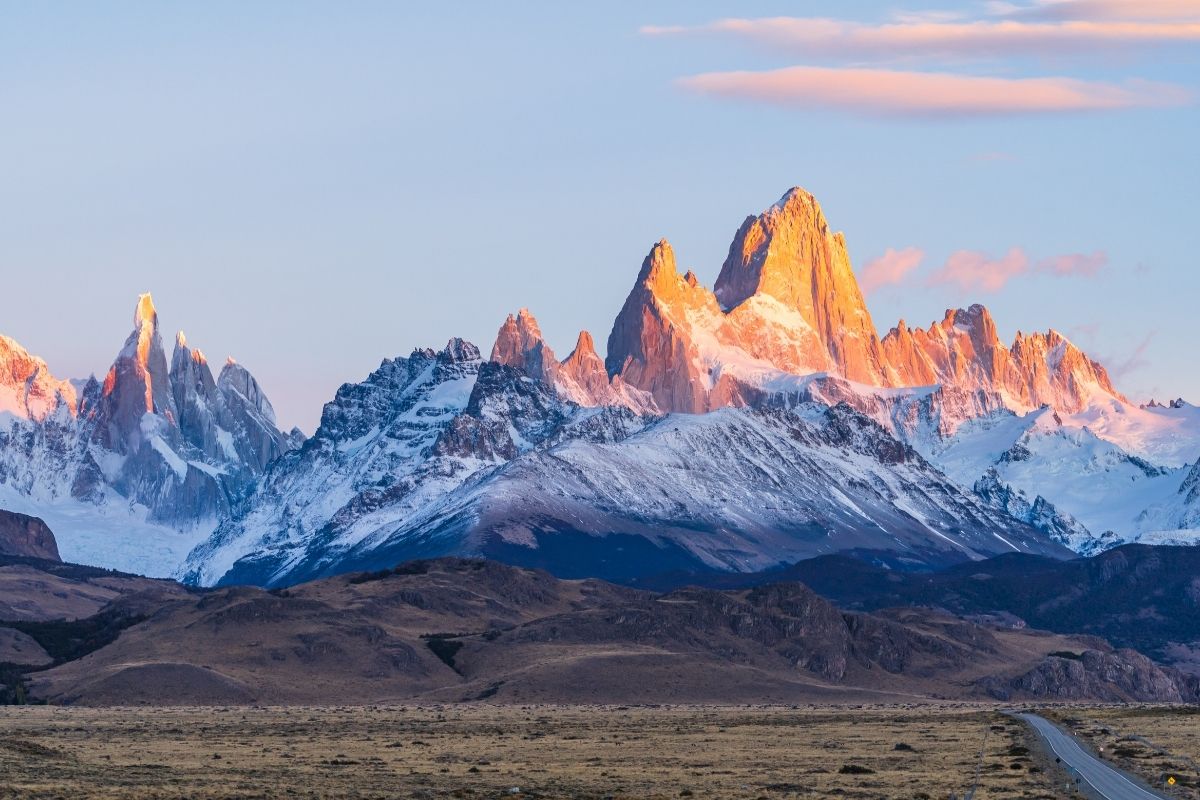
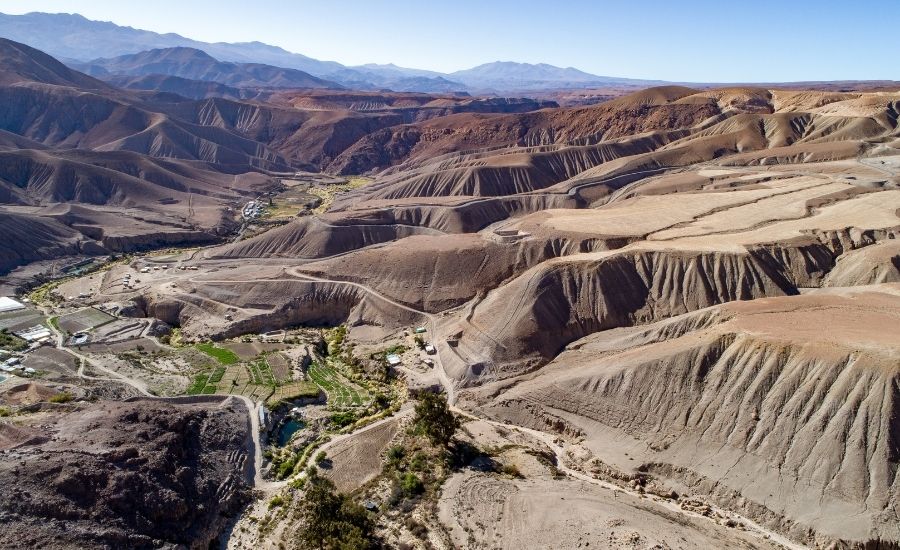
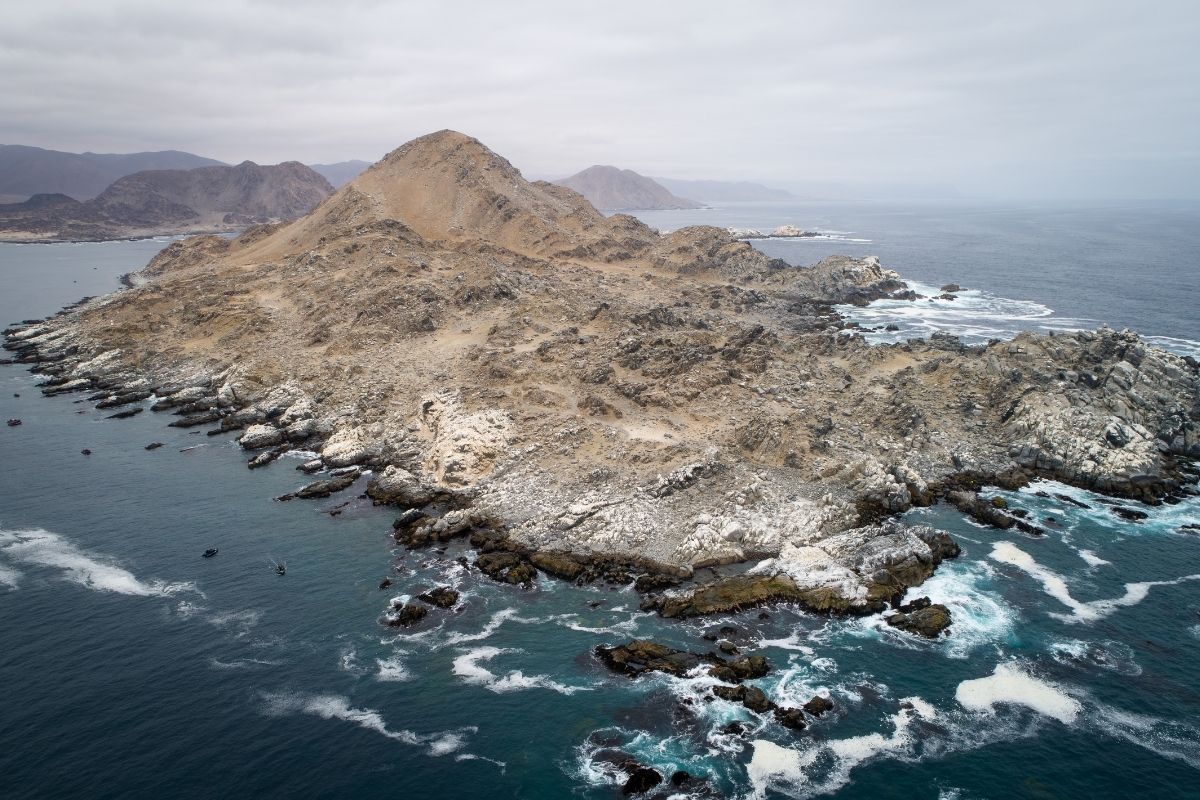
- South America holds some of the most diverse landscapes on planet Earth: the Amazon Basin, Earth’s largest river and rainforest; the Atacama, the driest desert on Earth; the Andes, the longest mountain range on Earth; and the Patagonian Icefields, the largest masses of ice on Earth outside the polar regions.
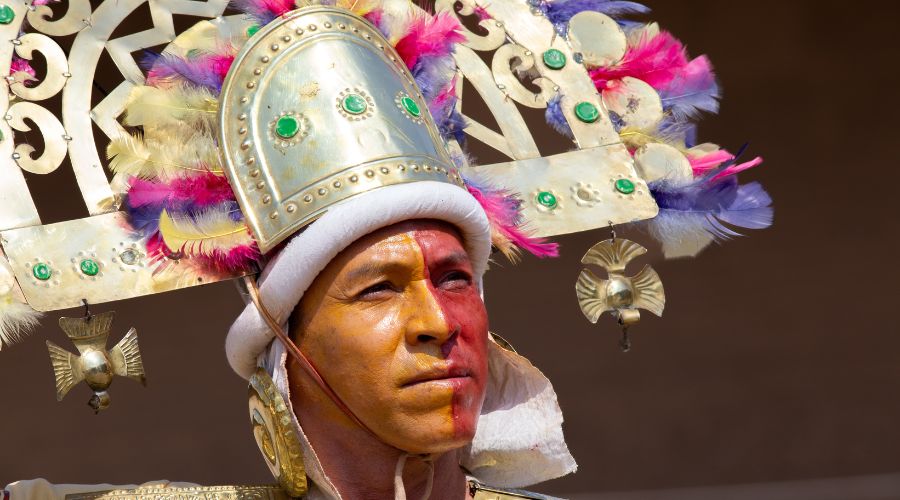
- Blending Old World and local Indigenous influences, South America’s cultural scene is incredibly vibrant – from steamy tango on the streets of Buenos Aires, pounding samba beats in Brazil and the fluttering cueca dancers of Chile, to the magnificent ancient temples of Peru, delicious Argentine asado barbecue and authentic Ecuadorian chocolate fresh from the jungle.
Destinations Within The Americas
Blessed by Nature
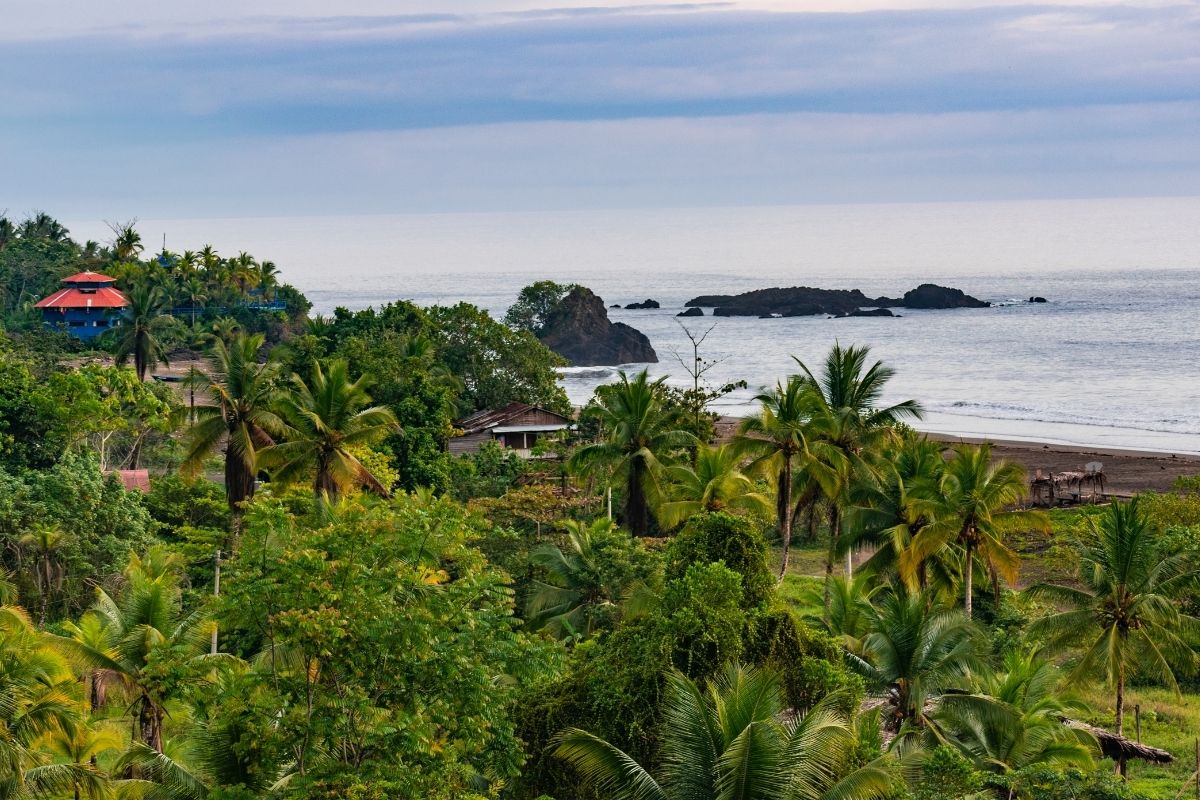
The South American continent is bounded by the impassable Darién jungle and the Isthmus of Panama to the north, the Atlantic and Pacific Oceans to the east and west, and the infamous Drake Passage to the south. Stretching nearly 8,000km from Cape Horn to Punta Gallinas, the continent holds some of the most varied geography, climate, flora and fauna on Earth.
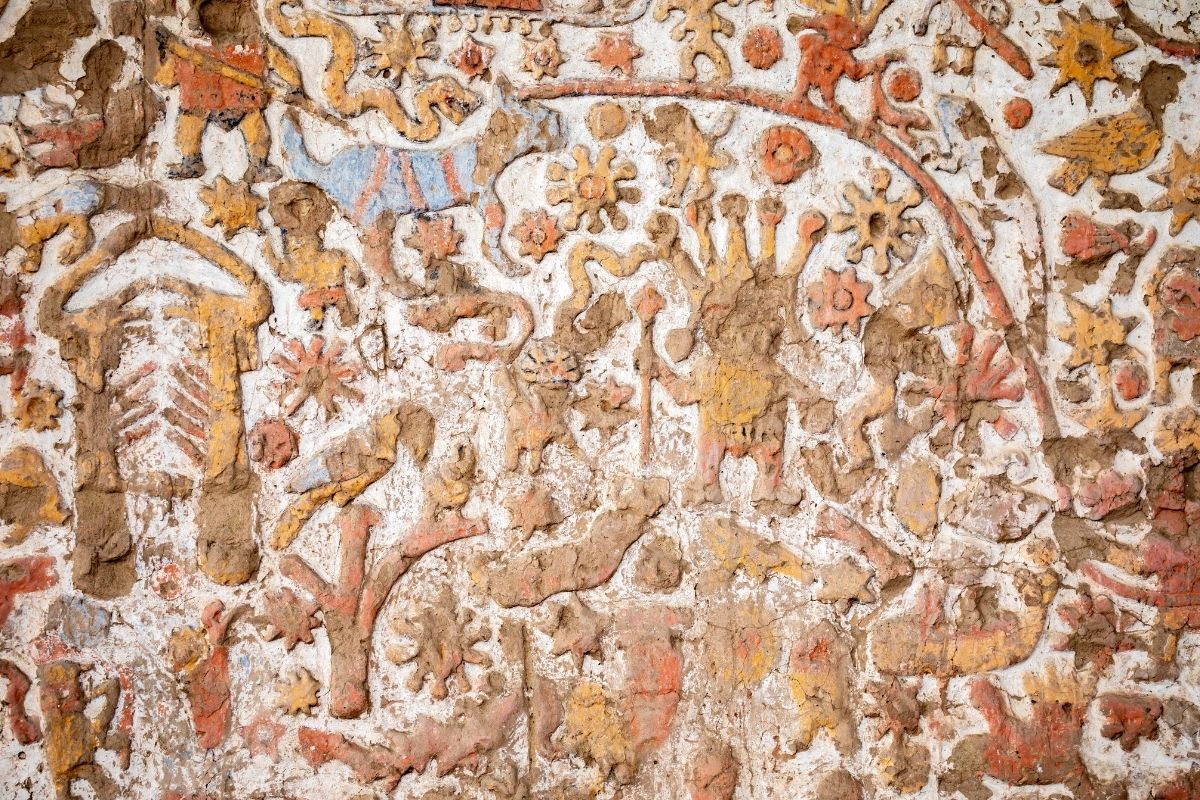
The mighty Andes Mountains form the ‘spine’ of the continent. Among these peaks, civilizations such as the Moche, the Chimu and the Inca created temples and cities which endure to this day, while to the south, the mountains hold the largest ice fields on Earth outside the polar regions. To the east lies the vast Amazon Basin, sheltering scores of Indigenous peoples – some of them still uncontacted – while further south lie the pampas grasslands of Argentina, home of the gauchos, and finally Patagonia, the vast and sparsely inhabited lands at the bottom of the world.
A Land of Contrasts
South America contains twelve countries (Colombia, Venezuela, Suriname, Guyana, Brazil, Uruguay, Paraguay, Bolivia, Argentina, Chile, Peru and Ecuador) as well as three dependent territories – French Guiana, the Falkland Islands and South Georgia and the South Sandwich Islands. Away from the mainland, Argentina and Chile claim portions of Antarctica, Chile’s Rapa Nui/Easter Island lies 3,700km from the mainland in the heart of the Pacific Ocean, and Ecuador’s Galapagos Islands lie 1,000km from the mainland.
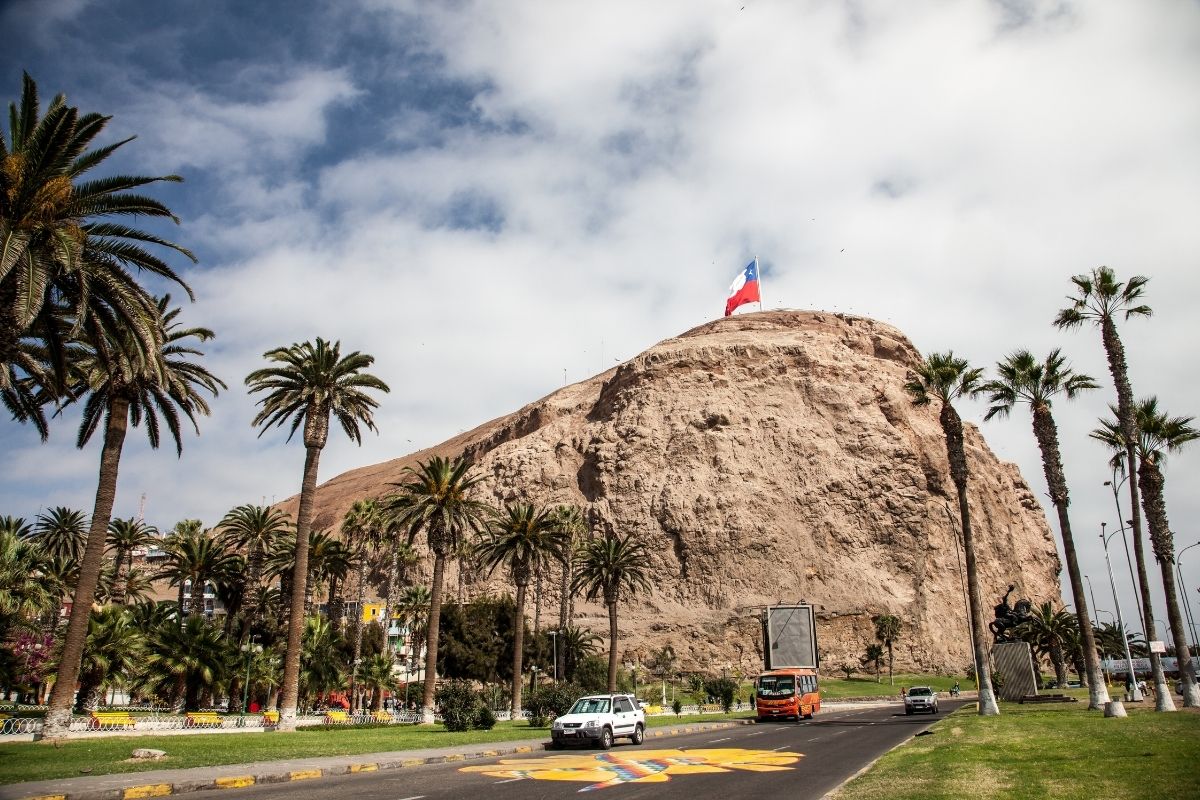
From the 1500s, South America was largely divided between Spain and Portugal following the Treaty of Tordesillas in 1494, with smaller British, Dutch and French territories in what is now Guyana, Suriname and French Guiana. Most countries in South America gained independence in the early 1800s. Today, cities such as Rio de Janeiro enhance rather than detract from their incredible landscapes, while others such as Buenos Aires are global hubs of culture and industry.
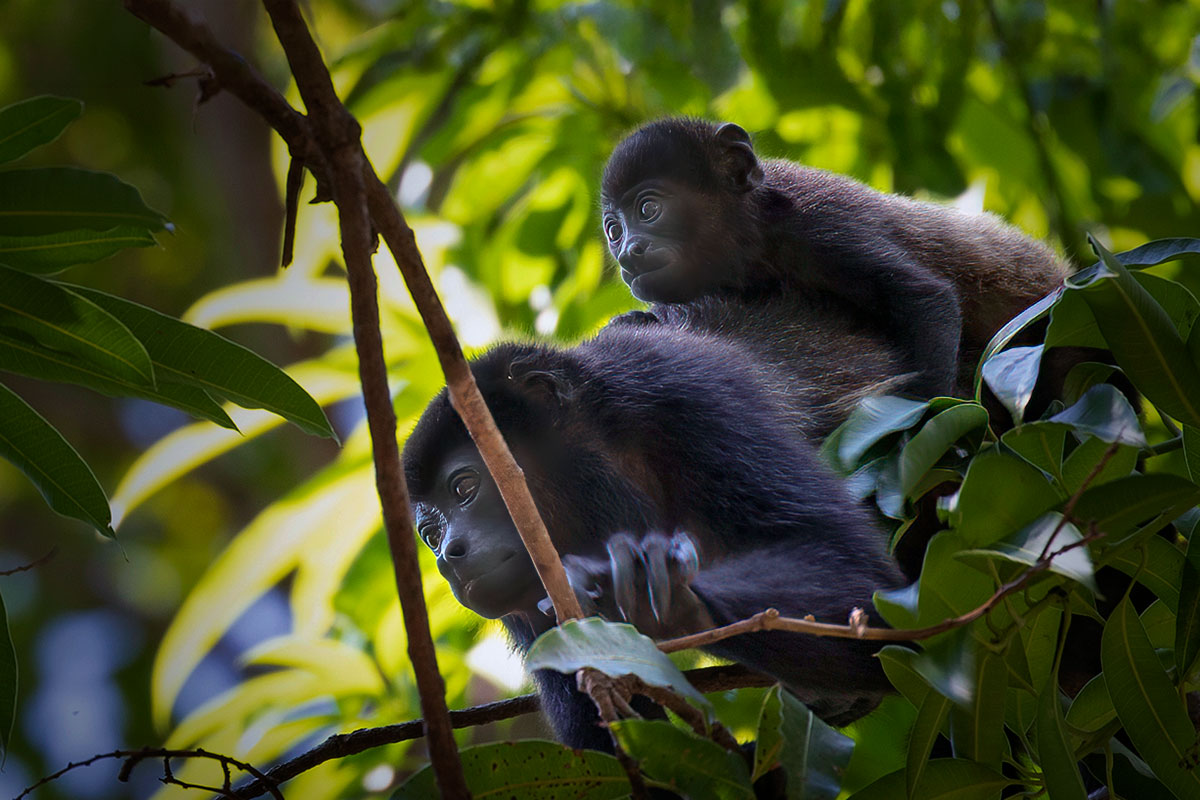
Wildlife of South America
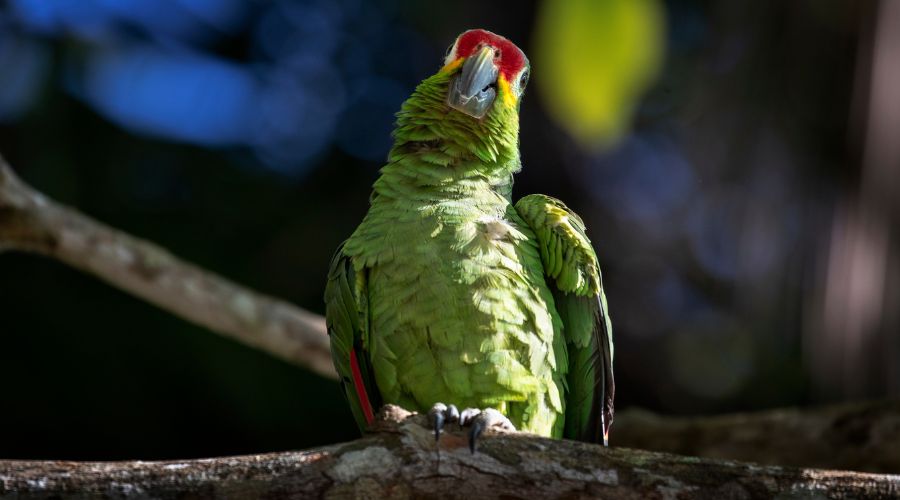
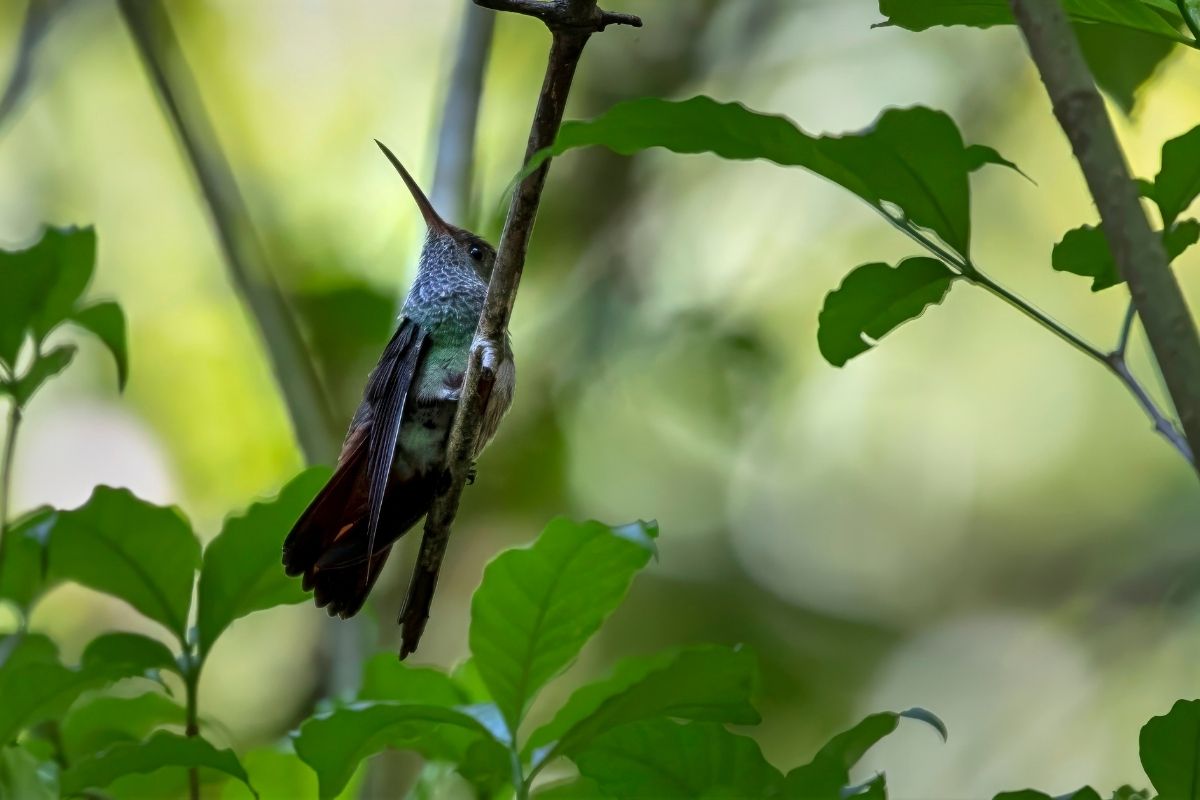
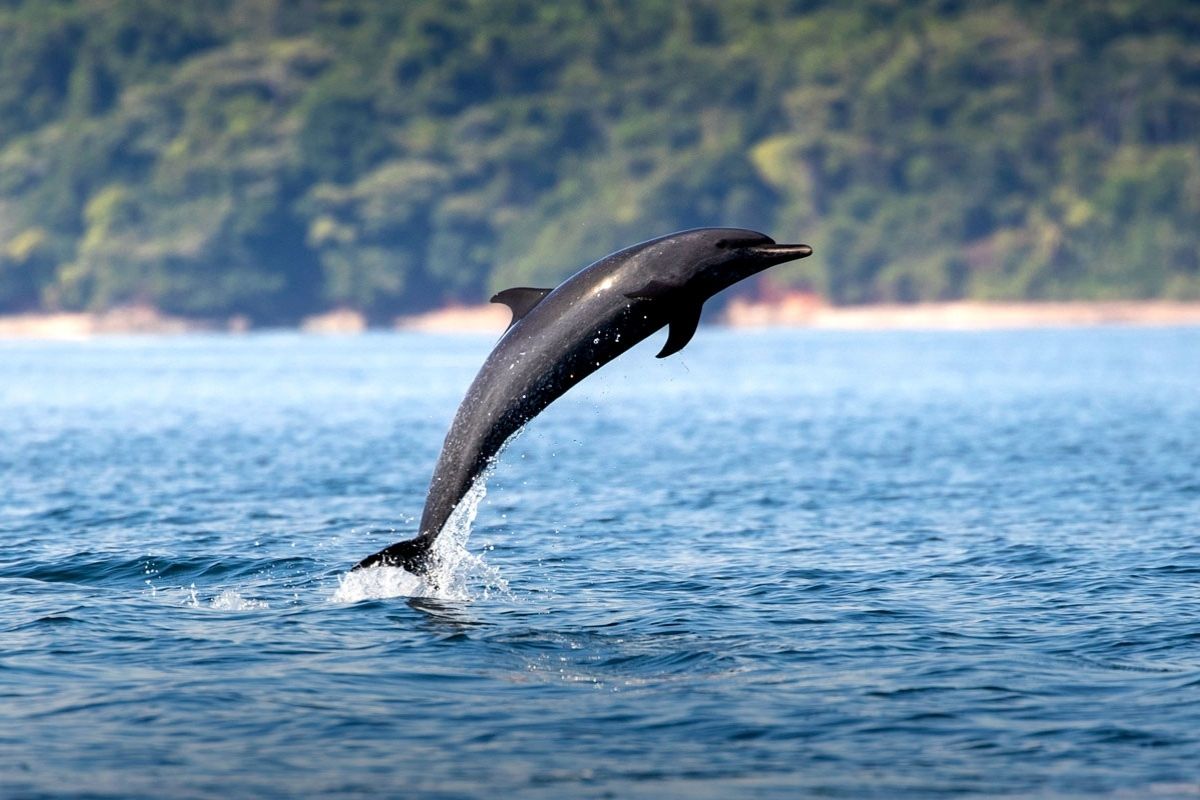
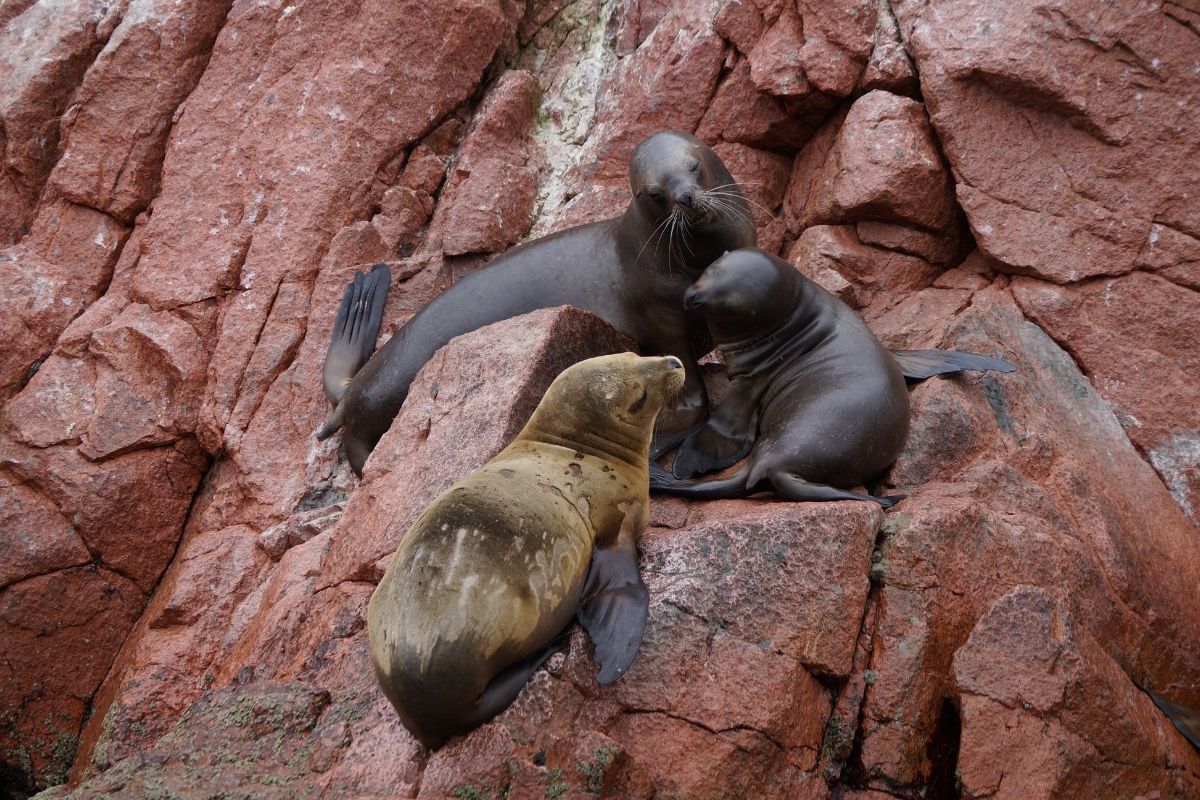
The flora and fauna of this vast and varied continent are as diverse as its landscapes and people. South America was isolated from the rest of Earth’s continents until around 3 million years ago, when the Isthmus of Panama finally rose out of the water. Although many species became extinct during the Great American Interchange, the descendants of these weird and wonderful animals remain today, from camelids such as guanacos (ancestors of domesticated llamas) to the large flightless rheas of Patagonia. The continent also holds incredible birdlife, from tiny hummingbirds to the gigantic Andean condor.
Popular Expeditions to The Americas
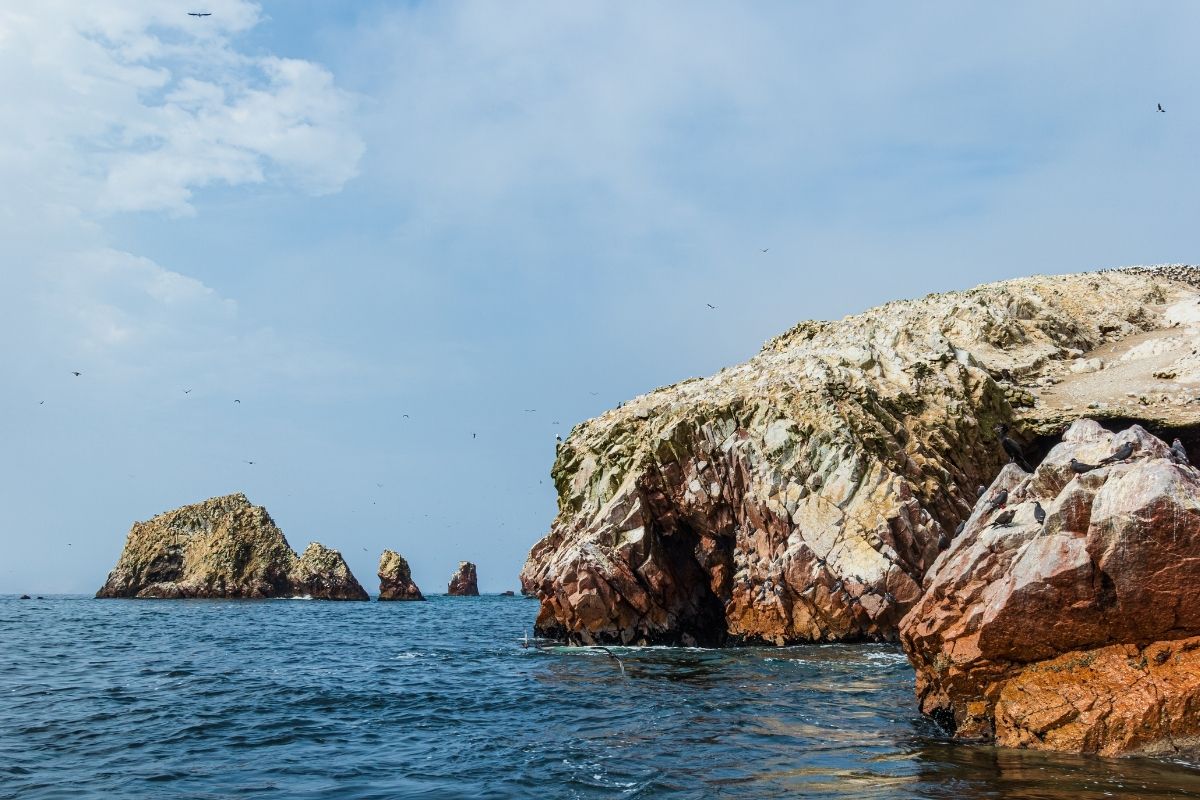
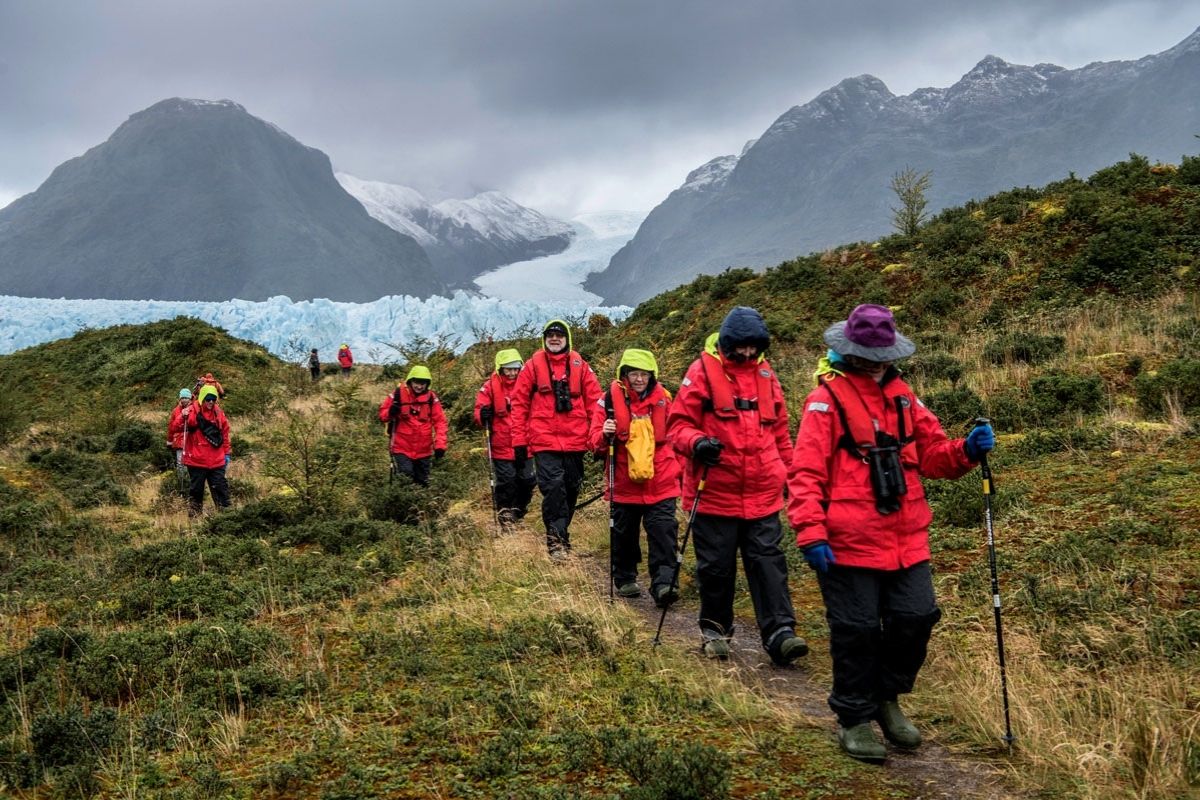
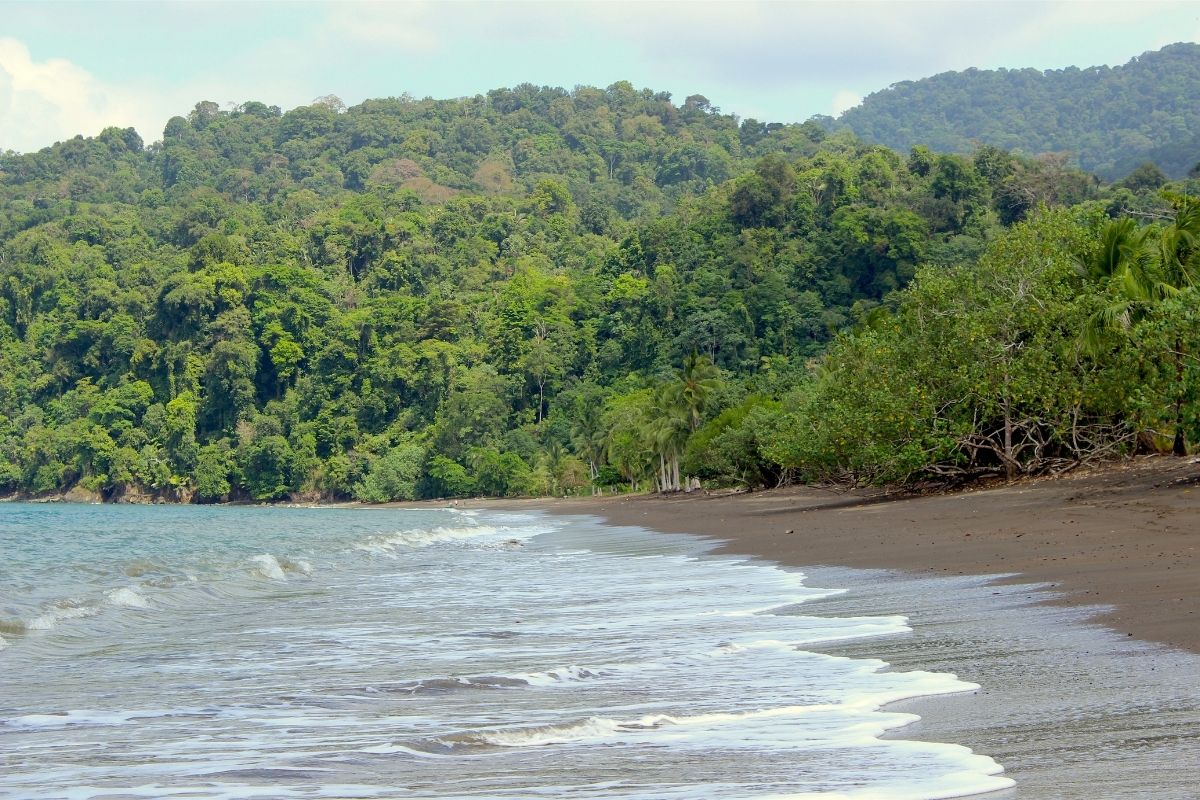
Many modern explorers use South America as a stepping stone to get even further south, sailing to Antarctica via the Argentine city of Ushuaia. However, expedition cruising in South America offers so much more, from the jungles of coastal Colombia and exceptional hiking in the fjordlands of Chile to the ancient temples of Peru and the vibrant cities of Ecuador. Join us and experience the best this magnificent continent has to offer!