
Patagonia
Experience one of the most breathtaking regions of planet Earth: the vast southerly wilderness of Patagonia.
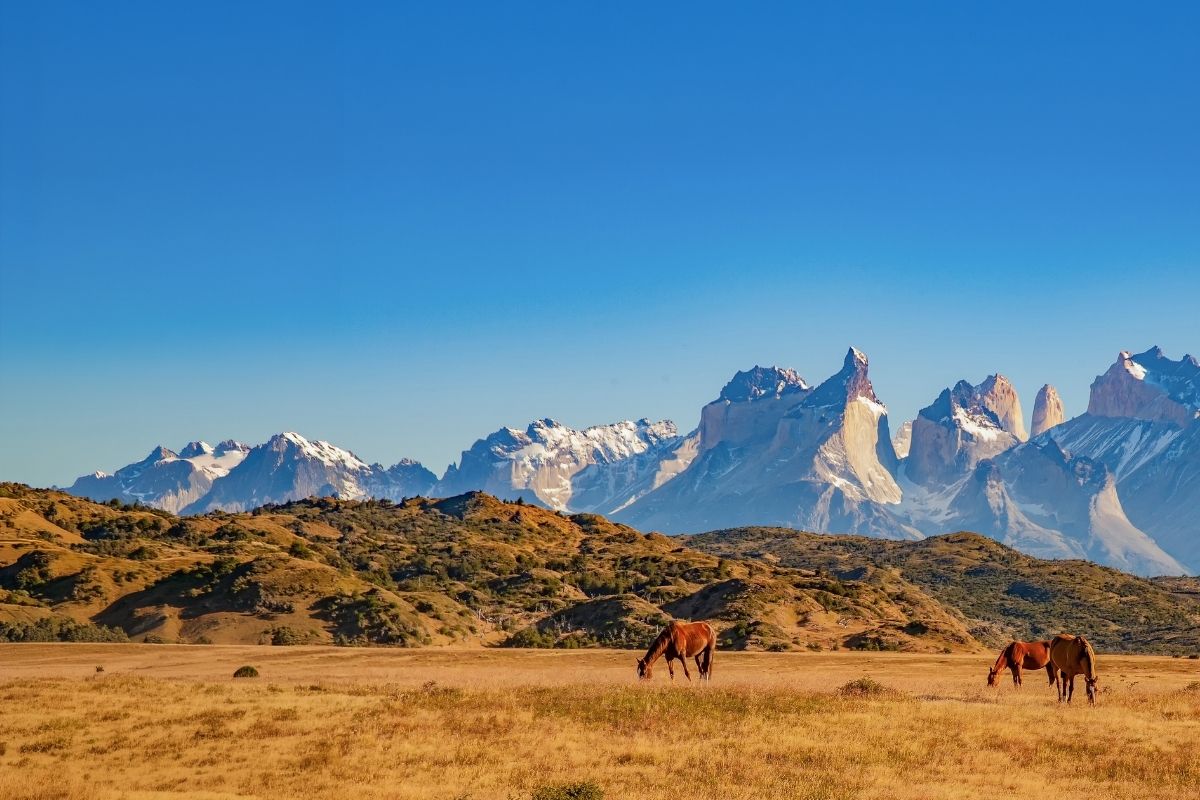
Comprising the southern portions of Chile and Argentina, Patagonia is the vast region stretching from the edges of Buenos Aires to the lonely outpost of Cape Horn – last stop before Antarctica. Windswept, remote and largely wild, Patagonia is more than twice the size of France, but contains only around two million people. Millions of visitors come every year to experience its staggering natural beauty, from the popular trails of Torres del Paine National Park, the wildlife paradise of Península Valdés and the vast glaciers of Los Glaciares National Park, to the penguin colonies of the Strait of Magellan – or reaching Ushuaia and sailing on to Antarctica.
Area of Patagonia
- 1,043,000 km²
Population of Patagonia
- ~2,000,000
Why Travel to Patagonia
Untouched nature, legendary trails, hearty local food and traditional estancia life are all part of the unique Patagonia travel experience.
Untouched Nature
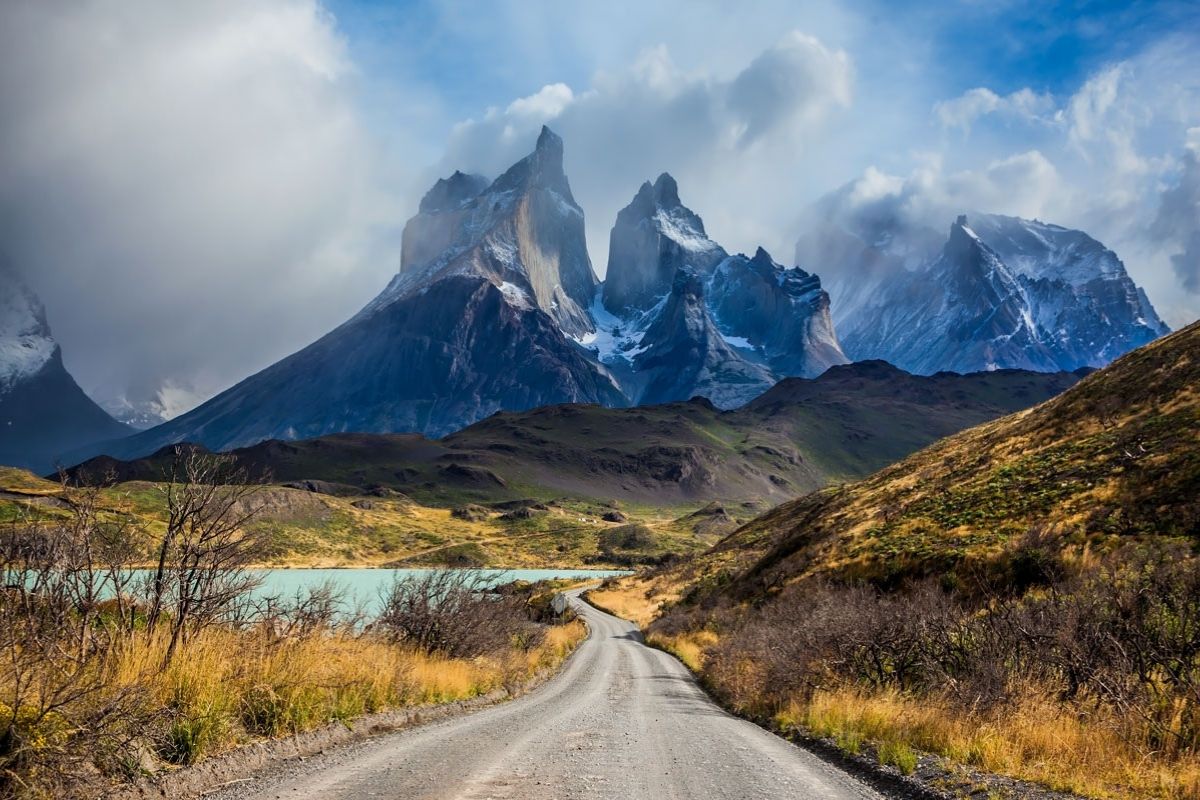
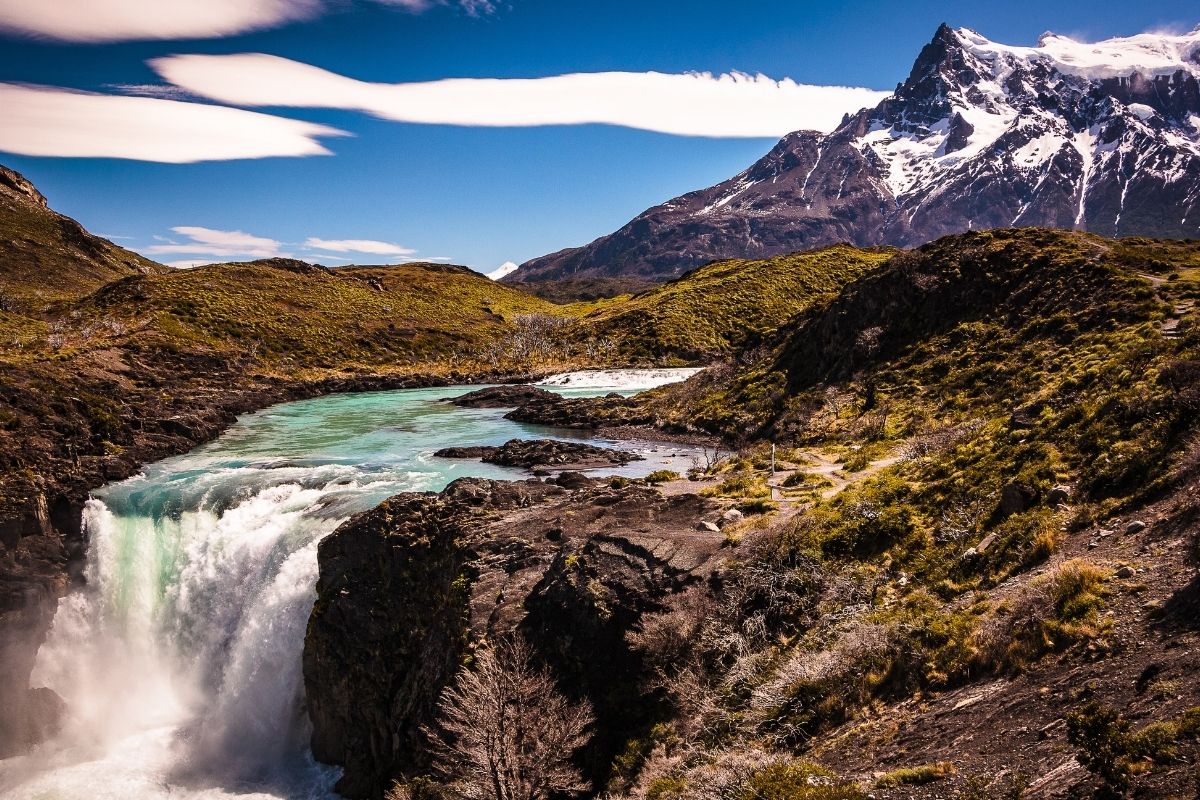
With over 34 National Parks, Nature Reserves, and Marine Parks spread between Chilean and Argentine Patagonia, huge tracts of Patagonian nature are heavily protected and preserved for future generations. These include globally famous areas such as Torres del Paine and Cape Horn National Parks in Chile, and Nahuel Huapi National Park in Argentina.
Wildlife Paradise
Thanks to large tracts of protected wilderness, Patagonia is a wildlife lover’s paradise. On land, look out for guanacos (the wild ancestors of domestic llamas), large flightless rheas and maybe even pumas in some areas. Be sure to look up to the skies for condors, caracaras and albatross, and down to the sea for Magellanic penguins and South American sea lions.
Tie Your Laces!
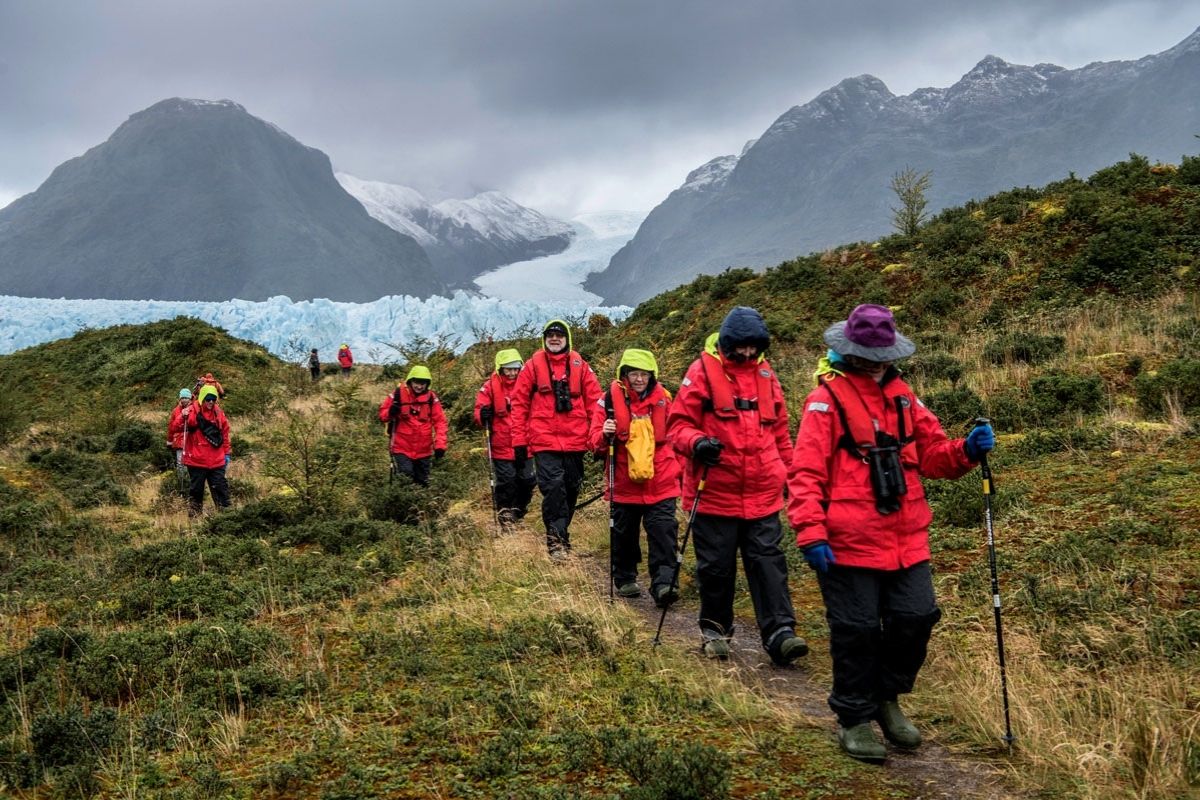
Holding some of Earth’s best-known long-distance trekking routes (such as the legendary W Trail in Torres del Paine National Park), Patagonia is a paradise for any outdoor enthusiast! In cities such as Ushuaia, enormous networks of safe and accessible hiking trails begin right on the edge of town, featuring beautiful ancient forests and incredible views.
Taste the South
A large part of Patagonia’s historical economic development is due to the meat industry. Argentina is certainly known for steak, but the lamb in Patagonia is truly exceptional, nourished on a diet rich in hillside herbs. In Chile, local specialties include seaweed (cochayuyo) and dried sea squirt (piures), as well as local fish such as merluza and congrio.
Experience Estancia Life
Traditional Patagonian ranches (estancias) are common throughout Argentina and Chile, with some of the largest covering almost half a million acres! These are the home of the gaucho (in Argentina) and the huaso (in Chile) – the southern answer to the North American cowboy. Many offer great experiences for visitors to learn about ranch life – almost always with a traditional asado barbecue lunch!
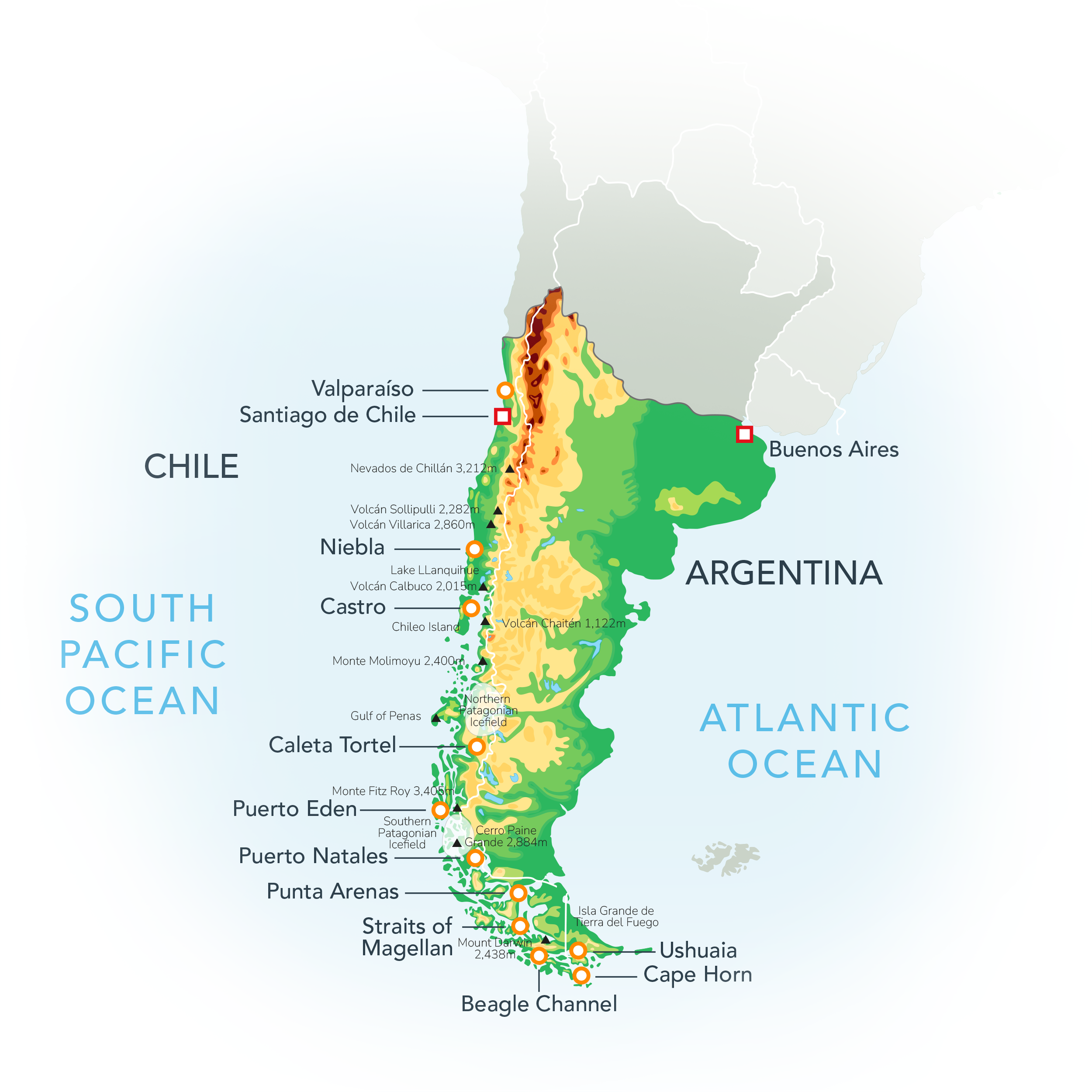
Map of Patagonia
Geography of Patagonia
Patagonia comprises four Chilean regions (Los Ríos, Los Lagos, Aysén and Magallanes) and five Argentine provinces (Río Negro, Neuquén, Chubut, Santa Cruz and Tierra del Fuego), and the southern part of Buenos Aires province is also usually included. The largest city is Neuquén in Argentina, with roughly a quarter of a million inhabitants.
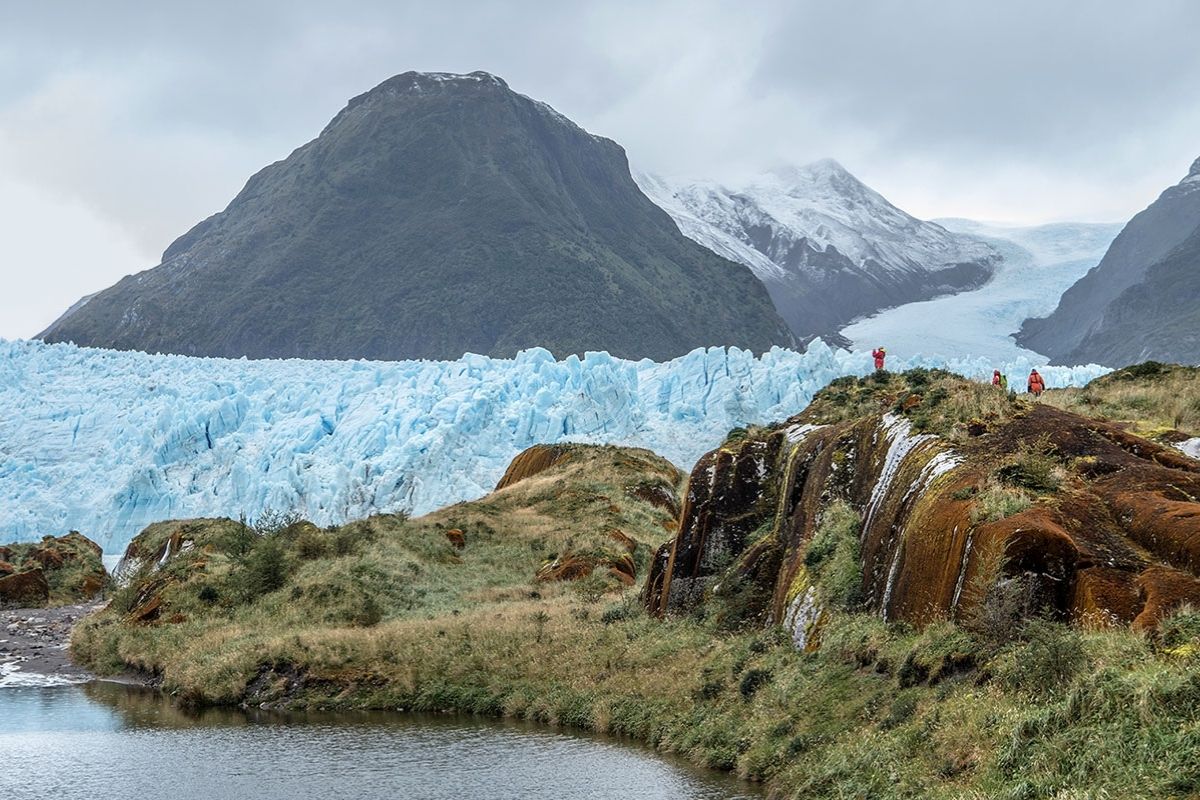
The geography of the region on each side of the border couldn’t be more different. Chilean Patagonia receives humid oceanic winds from the Pacific year-round, producing heavy rain and snow and an incredibly lush landscape heavily mantled in forests, while its coast is indented with an enormous network of fjords, channels and islands created by glacial action. By the time these winds pass the mountains, they are depleted of moisture, so most of Argentine Patagonia is a desert, although strips of greenery carve through it where major rivers such as the Río Chubut and Río Negro irrigate the land. Further south, the mountain peaks are dominated by the two Patagonian Icefields, the last remnants of the enormous ice sheets which once blanketed these mountains.
The Uttermost Part of the Earth – the History of Patagonia
Summarizing the complex history of such a large and diverse region is difficult, and recollections can vary depending on the side of the border. Archaeological evidence proves human presence in Patagonia no later than 12,000 years ago, and excavations at the Monte Verde site near Puerto Montt in Chile suggest human presence around 14,500 years ago. Several Indigenous groups call Patagonia home, including the Mapuche in Chile, the Aónikenk (also known as Tehuelches) in Argentina, and the Kawésqar of the southwestern Chilean channels. On Tierra del Fuego lived the canoe-faring Yámana of the Beagle Channel, whose shoreline fires are believed to have given the ‘Land of Fire’ its name, and the guanaco-hunting Selk’nam of the island’s interior, whose elaborate painted Hain masks have become powerful symbols of Indigenous Patagonian culture.
The arrival of Europeans drastically changed Indigenous ways of life in Patagonia. In Chile, Spanish colonists fought a long and protracted campaign against the Mapuche known as the Arauco Wars (1546–1656), and even today relations between the Mapuche and the Chilean State remain strained. In Argentina, General (later President) Julio Argentino Roca’s ‘Conquest of the Desert’ aimed to establish Argentine sovereignty over the Patagonian desert, with utterly devastating results – entire peoples were exterminated. In Tierra del Fuego, Captain Fitzroy of the Beagle took several Yámana hostages in 1830, including Orundellico (also known as Jemmy Button), while gold prospectors and ranchers ruthlessly persecuted the Selk’nam in what is now recognized as a genocide: by 1945, only an estimated 25 Selk’nam survived of a pre-contact population of over 4,000.
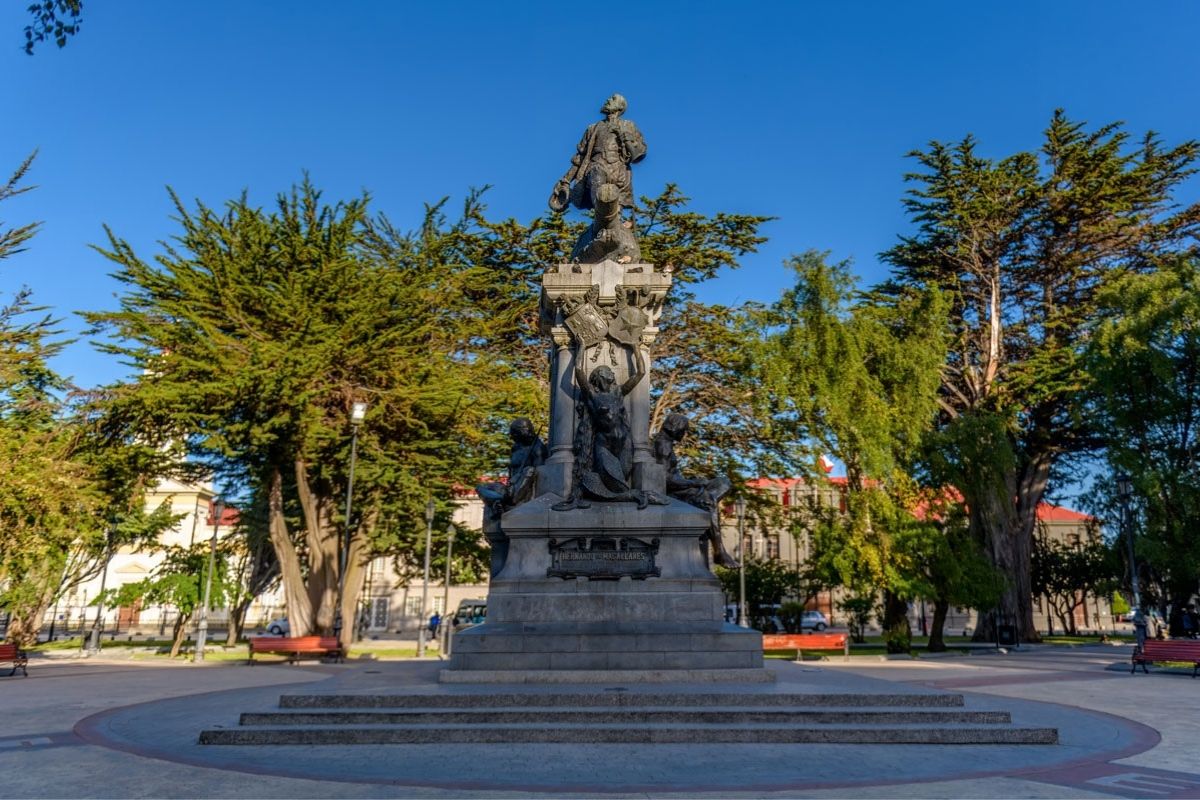
Control of the Strait of Magellan led Chile to establish the city of Punta Arenas in 1848. The city thrived on ships passing through the strait until the opening of the Panama Canal; today it is the largest city below 47°S and one of the main gateway cities to Antarctica. On the Argentine side, Ushuaia on the Beagle Channel was founded as a mission, and a penal colony was established there in 1904. Prison labor was used to construct the Southern Fuegian Railway, which now operates as the Tren del Fin del Mundo (the Train at the End of the World). Today, over 90% of visitors to Antarctica pass through Ushuaia’s port, and Patagonia is firmly established as one of the world’s premier travel destinations, drawing modern-day explorers from around the world.
Wildlife of Patagonia
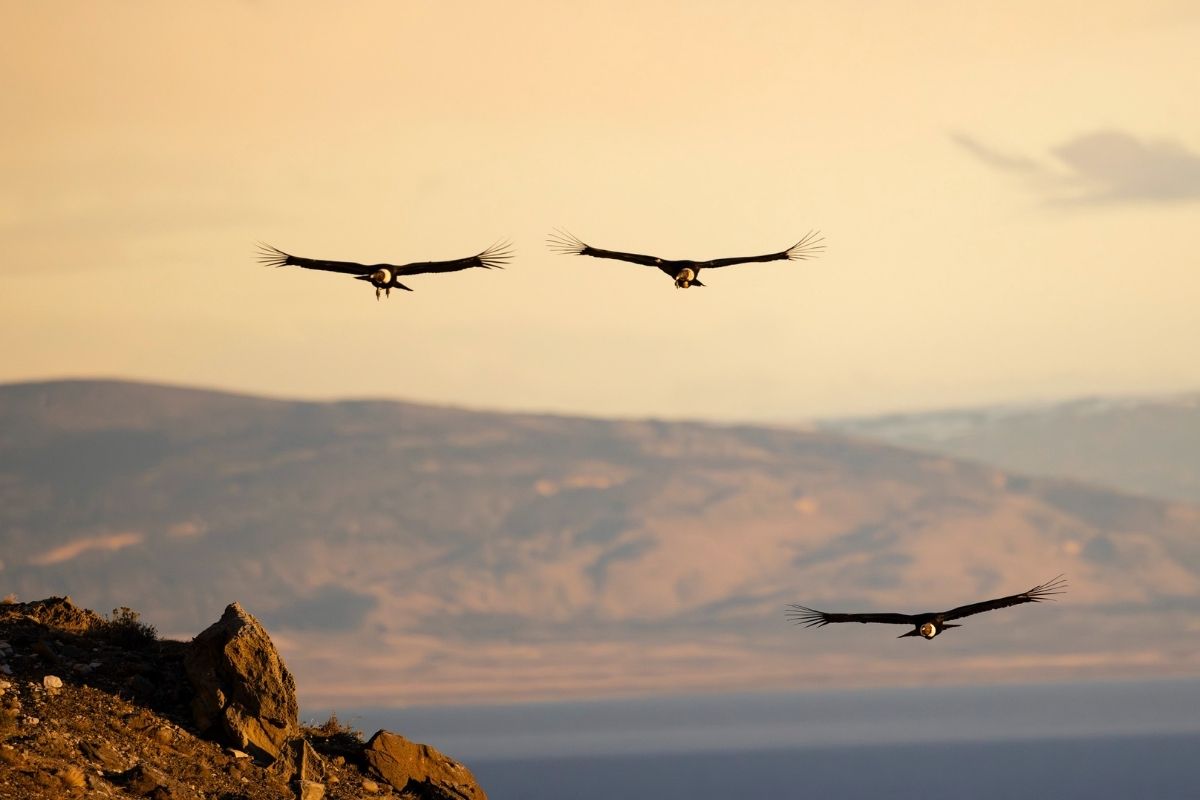
With over 34 protected areas on land and at sea in Chile and Argentina, large tracts of Patagonia are reserved for nature. Patagonia’s wilderness holds a plethora of wildlife, including large numbers of species found nowhere else on Earth. Iconic Patagonian animals include the guanaco (the wild camelid ancestor of domesticated llamas), prowling pumas, elegant rheas (a large flightless bird similar to the ostrich) and an enormous variety of other bird species, including Andean condors and Magellanic penguins.

With over 22 different species worldwide, and considered one of the largest living flying seabirds by its wingspan (which can be larger the size of...

A trip to Antarctica is a dream for animal lovers, with its amazing array of unique creatures. Even if you're not an avid animal enthusiast, the...

Often overshadowed by their larger cousins, the Minke whale is the unsung acrobat of the polar seas. They are the friendly scouts and often the...

Orca or ‘killer whales’ might be one of the most well-known and distinctive creatures that we encounter on our voyages to Antarctica. Identifiable...
The Climate of Patagonia
Patagonia holds the southernmost land on Earth outside of Antarctica; as such, its climate tends to be far cooler than the rest of South America. The climate is very different from east to west, however. Cold, humid air masses and ocean currents originating in Antarctica wash over the western/Chilean side of Patagonia, producing intense rainfall on the mountains and the lush temperate rainforests which cover much of the west. This air loses its moisture as rain and snow over the southern Andes, producing a rain shadow which gives rise to the desert that dominates Argentine Patagonia. Wind is a constant feature of Patagonia, which can make the weather feel far colder than the true temperature.
Climate data for Castro, Chiloe Island, Chile:
| AVERAGE HIGH | AVERAGE LOW | PRECIPITATION | |
|---|---|---|---|
| January | 20.1°C (68°F) | 7.7°C (68°F) | 102mm (4in) |
| February | 20.4°C (69°F) | 7.6°C (68°F) | 40mm (1.6in) |
| March | 19°C (66°F) | 6.4°C (68°F) | 73mm (2.9in) |
| April | 15.7°C (60°F) | 4.3°C (68°F) | 148mm (5.8in) |
| May | 13.1°C (56°F) | 3.4°C (68°F) | 227mm (8.9in) |
| June | 11.2°C (52°F) | 2.3°C (68°F) | 194mm (7.6in) |
| July | 10.9°C (52°F) | 2.3°C (68°F) | 293mm (11.5in) |
| August | 11.2°C (52°F) | 2.1°C (68°F) | 204mm (8in) |
| September | 12.8°C (55°F) | 2.6°C (68°F) | 133mm (5.3in) |
| October | 15.5°C (60°F) | 4.1°C (68°F) | 84mm (3.3in) |
| November | 18.2°C (64°F) | 5.9°C (68°F) | 44mm (1.7in) |
| December | 20°C (68°F) | 7.4°C (68°F) | 57mm (2.3in) |
Climate data for Puerto Madryn, Chubut Province, Argentina:
| AVERAGE HIGH | AVERAGE LOW | PRECIPITATION | |
|---|---|---|---|
| January | 27.4°C (81°F) | 13.7°C (57°F) | 10mm (0.4in) |
| February | 26.9°C (80°F) | 13.2°C (56°F) | 14mm (0.55in) |
| March | 24.4°C (76°F) | 11.1°C (52°F) | 17mm (0.65in) |
| April | 20.8°C (70°F) | 8.1°C (47°F) | 13mm (0.5in) |
| May | 16.1°C (61°F) | 5.1°C (41°F) | 24mm (0.95in) |
| June | 12.9°C (55°F) | 3°C (37°F) | 14mm (0.55in) |
| July | 12.8°C (55°F) | 2.1°C (36°F) | 17mm (0.65in) |
| August | 14.5°C (58°F) | 2.7°C (37°F) | 11mm (0.4in) |
| September | 17°C (63°F) | 4.5°C (40°F) | 14mm (0.55in) |
| October | 19.9°C (68°F) | 6.9°C (44°F) | 18mm (0.7in) |
| November | 23.7°C (75°F) | 9.7°C (50°F) | 10mm (0.4in) |
| December | 26.2°C (79°F) | 12°C (54°F) | 12mm (0.5in) |
