Panama and the Pacific Coast
The Tropical Heart of the Americas
The Pacific coast of equatorial South America is among the most fascinating, diverse, and unspoiled regions on Earth. From the wildlife-rich waters of Ecuador to the steamy jungles of Colombia and the engineering marvel of the Panama Canal, this incredible destination has an enormous amount to offer the adventurous traveler. Taste chocolate fresh from the tree in its ancestral homeland, see the enormous temples and cities of the ancient Moche and Chimu cultures, experience the wildlife paradise of Isla de la Plata, and explore the depths of the Colombian rainforest – in short, experience the best that this breathtaking region has to offer!
Why Travel to Panama and the Pacific Coast?
Taste the Rainforest
The cacao tree is native to the Amazon rainforest, and while the exact date and location of the creation of the world’s favorite treat is contested, it seems certain that cacao was first consumed in Ecuador around 5,300 years ago by people of the Mayo-Chinchipe culture – most likely as a fermented alcoholic drink rather than a sugary bar. The domesticated cacao tree spread from this region along the Pacific coast of South America, and the chocolate here is still among the most sought-after in the world.
Birder's Paradise
Sail the Panama Canal
Into the Jungle
Step into History
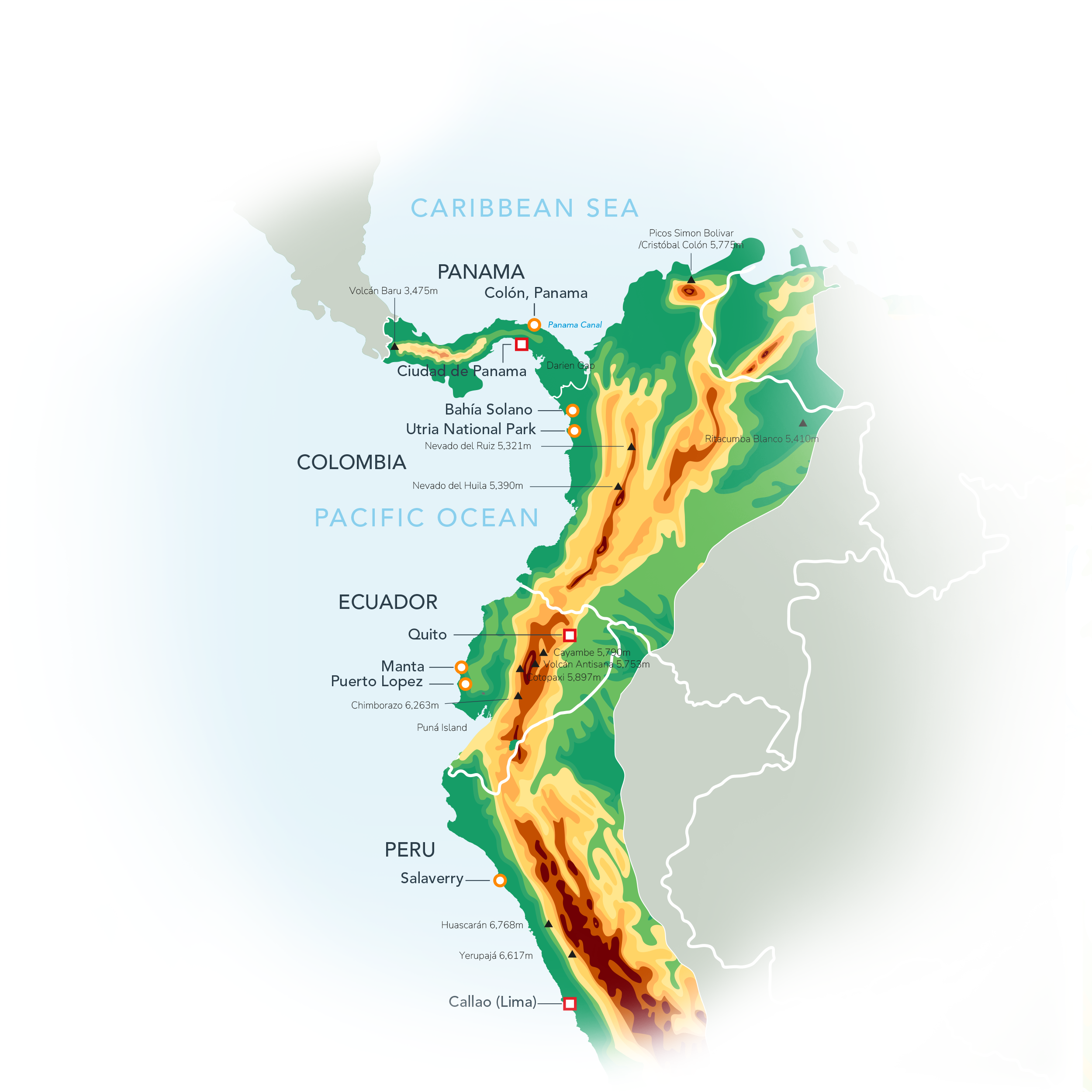
Map of Panama and the Pacific Coast
Geography of Panama and the Pacific Coast
As well as marking the middle of the planet, the Equator forms a natural division in this region of South America. To the south lies Peru, where the Andes block easterly Atlantic winds, creating a desert which covers most of the Peruvian coast, while to the north, intense humidity and rainfall blanket Ecuador in moisture. The Andes are lower here than further south – instead of bare rock, snow and ice, much of the Andes in Ecuador and Colombia are thickly mantled in forests, and with a more pleasant climate than the steamy lowlands, the mountains host the region’s largest cities, including Quito, Medellín and Bogotá.
The Isthmus of Panama is separated from Colombia by the Darién Gap – a region of thick, impassable jungle famed for its toxic animals and harsh climate. This hostile geography can even be argued to have helped create Great Britain: in the 1690s, the Kingdom of Scotland sent an expedition with around 20% of Scotland’s total wealth to establish a colony in Panama, but repeated Spanish raids, horrific rates of disease and worthless trade goods such as woolen blankets made the venture a complete failure. A few years later, deep in financial crisis, Scotland signed the Act of Union with England.
Where Two Continents Meet – the History of Panama and the Pacific Coast
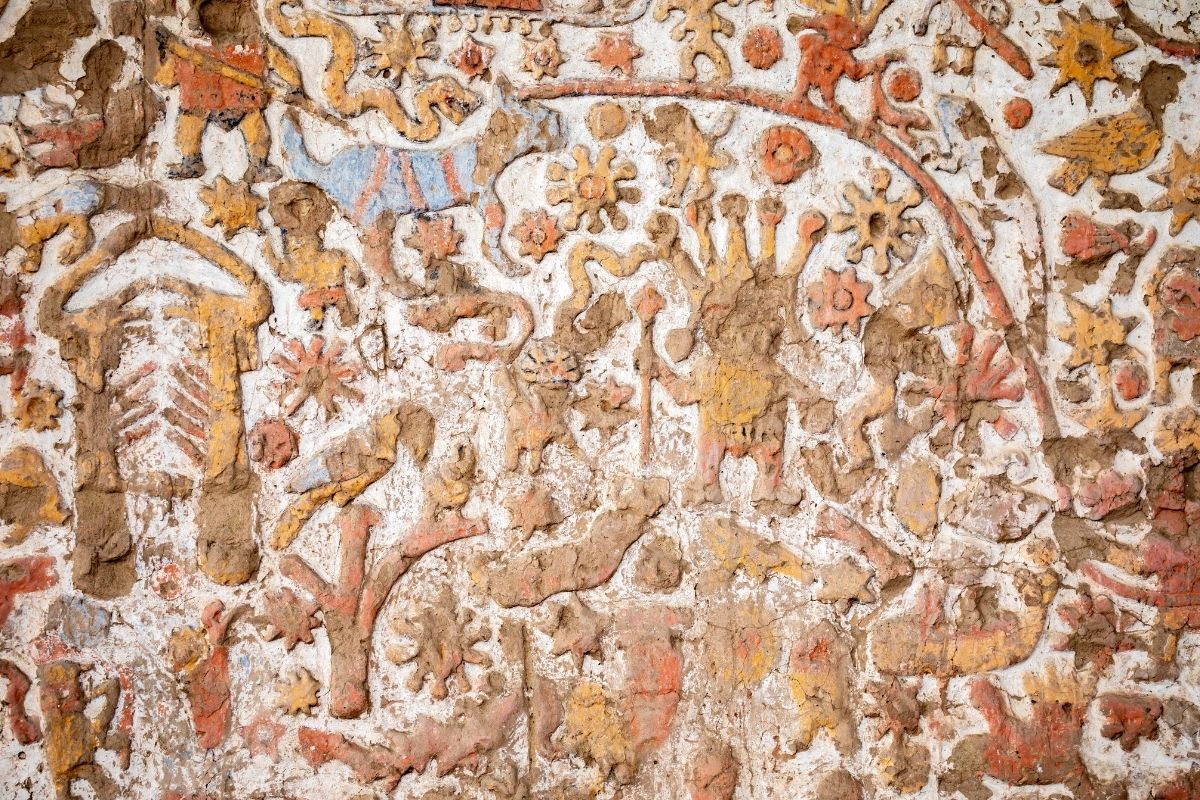
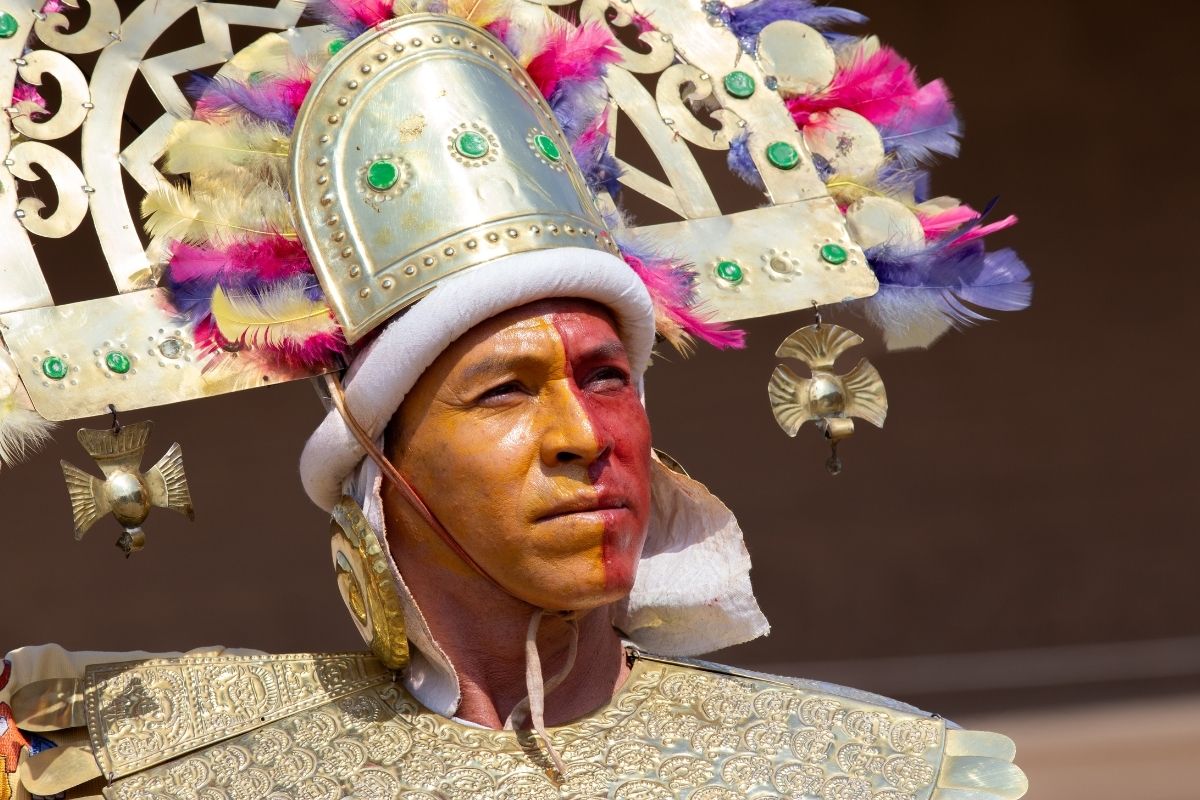
Northern South America has been inhabited by waves of human settlers for more than ten thousand years – indeed, the ancestors of all Indigenous peoples of South America must have passed the geographic choke-point where the two American continents meet. Cultures such as the Muisca of modern-day Colombia and the Moche and Chimu of modern-day Peru flourished here, before the region became part of Tawantinsuyu – the Inca Empire – in the 15th century.
Following a bloody civil war, Atahualpa, the final Sapa Inca, was captured and executed by Spanish conquistador Francisco Pizarro. Spanish rule proved brutally extractive, while Old World diseases such as smallpox, influenza and typhus ravaged Indigenous populations. In the wake of the Napoleonic invasion of Spain, legendary revolutionary Simón Bolívar crossed the Andes in 1819, and the resulting nation, Gran Colombia, became a mega-state comprising most of the northern quarter of South America – but within 12 years, internal conflicts led to its collapse.
With American support, Panama declared independence from Colombia in November 1903, and the Panama Canal opened in 1914 at horrific human cost – thousands perished of disease and accidents – but it revolutionized global trade. Full control of the canal was ceded to Panama in 1999, while Colombia signed a peace treaty with FARC in 2016, ending its decades-long conflict. Today, the region continues to draw international visitors who come to experience its incredible natural beauty and vibrant culture.
Wildlife of Panama and the Pacific Coast
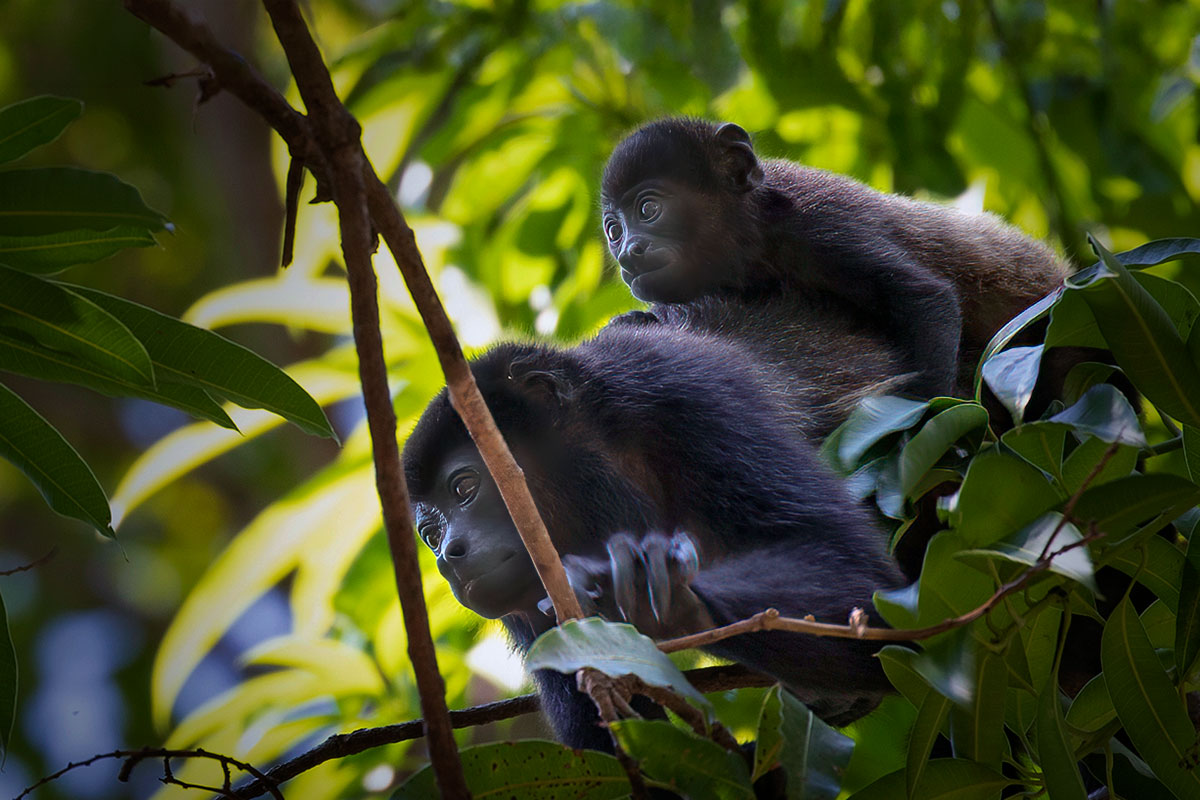
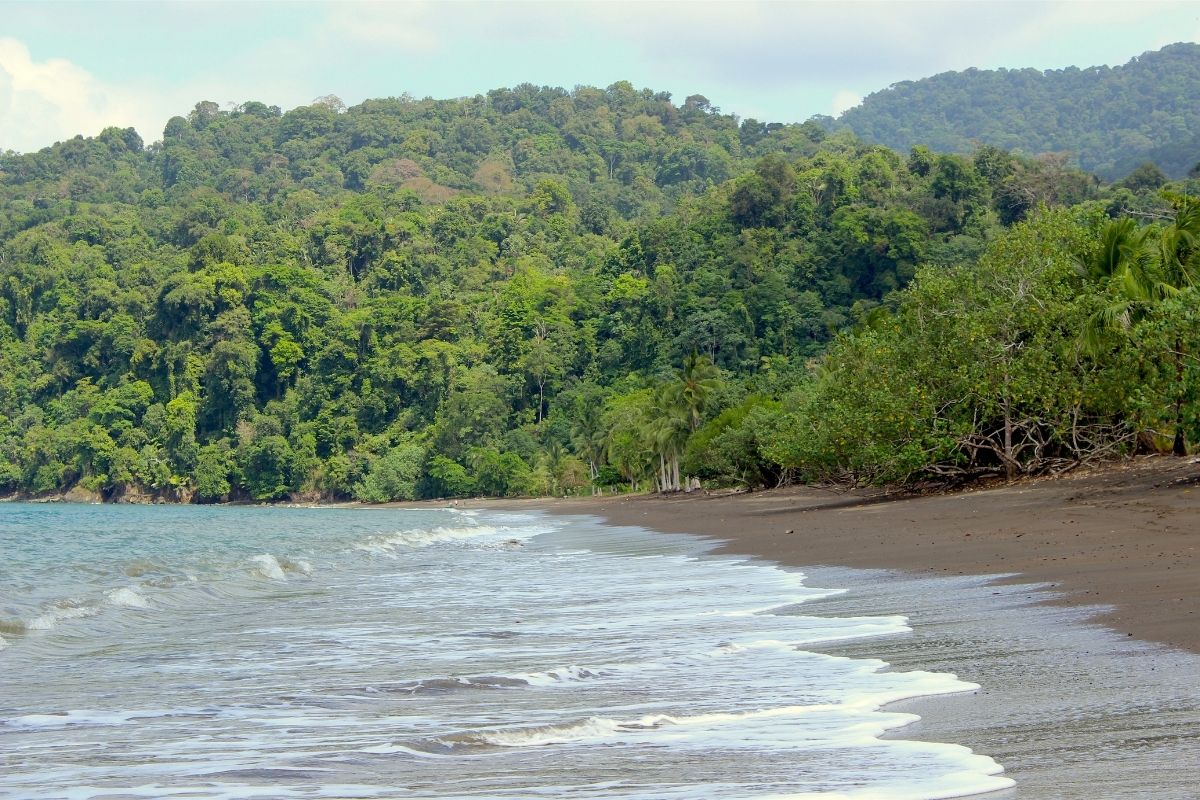
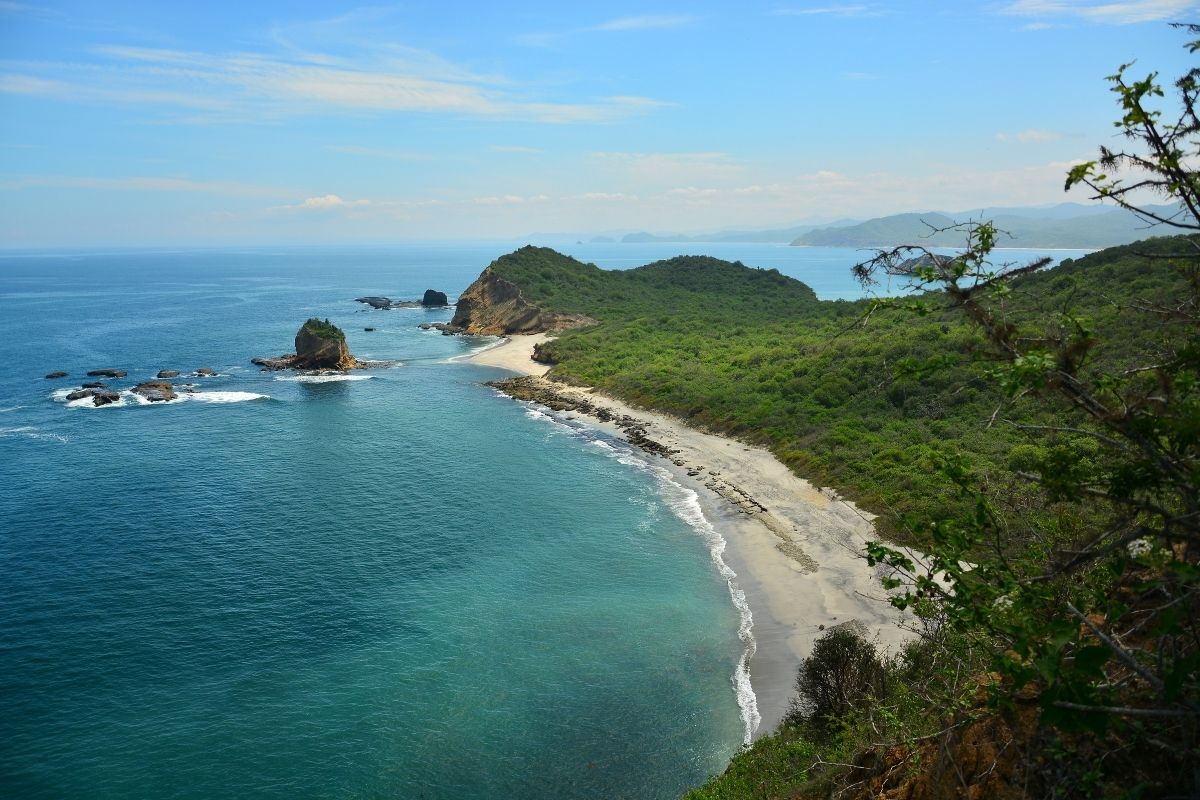
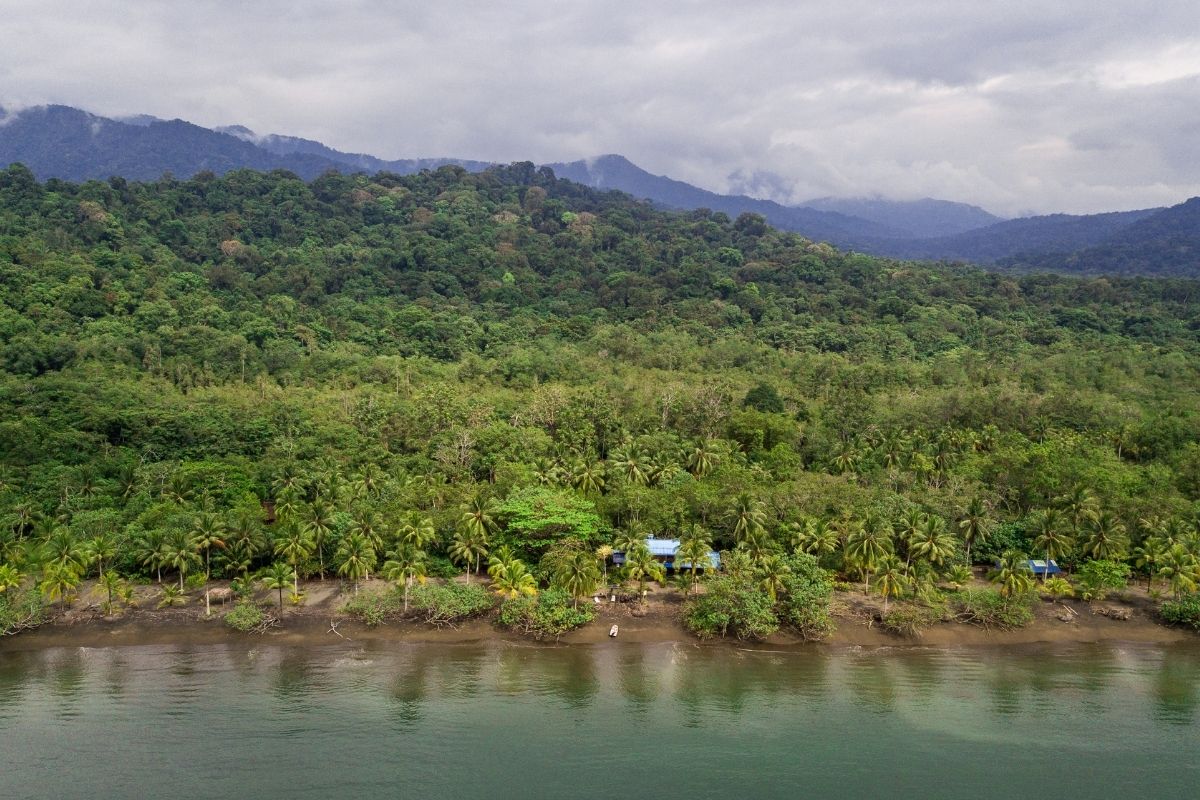
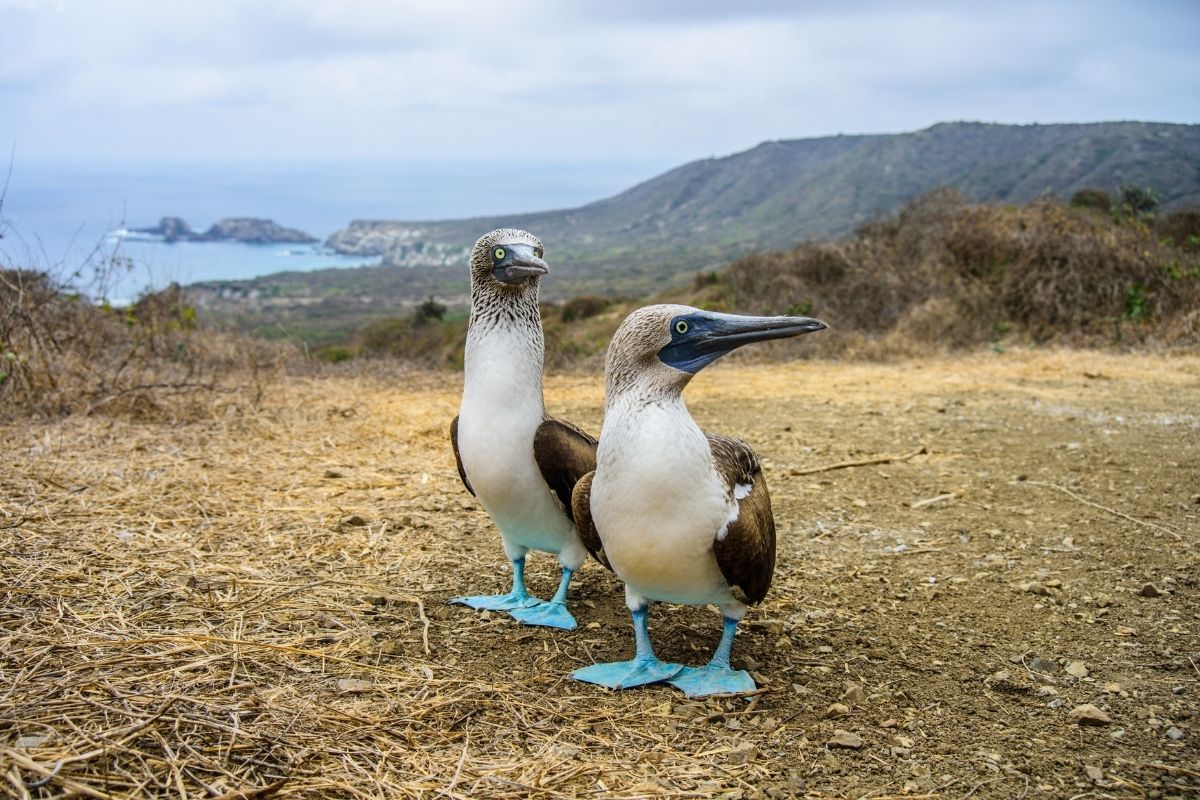
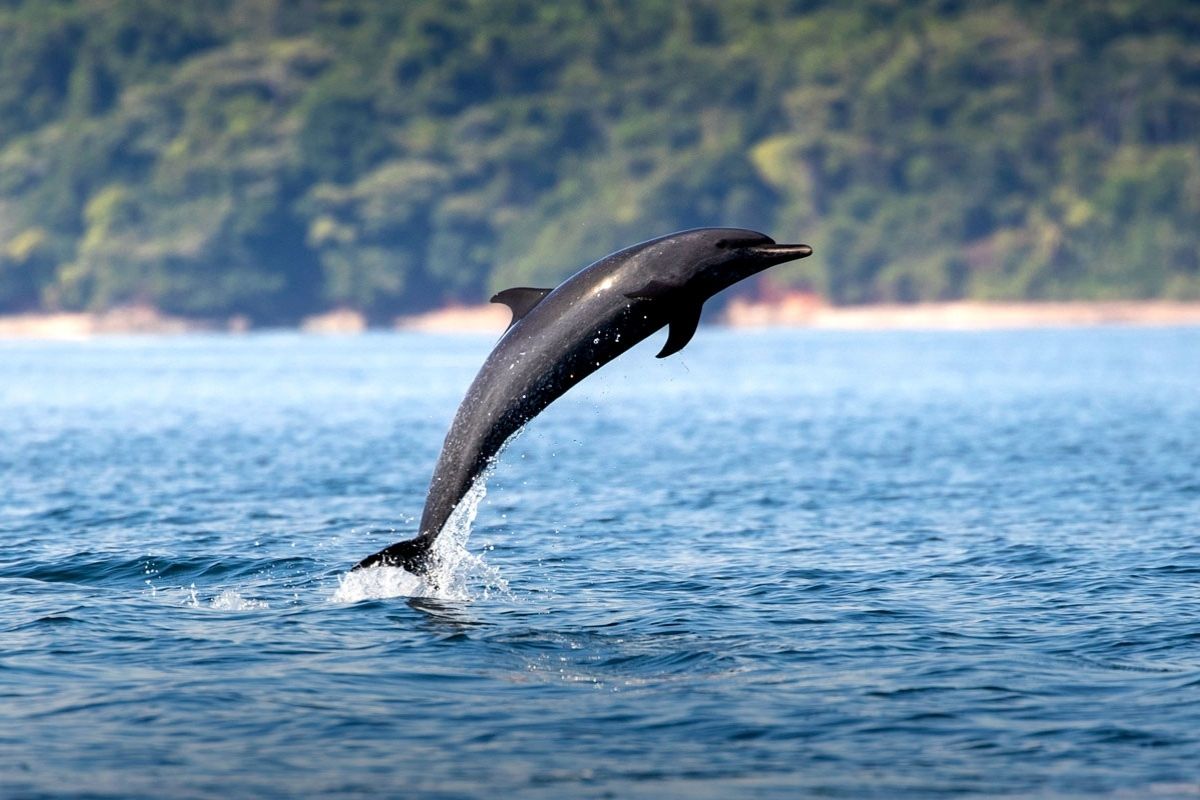
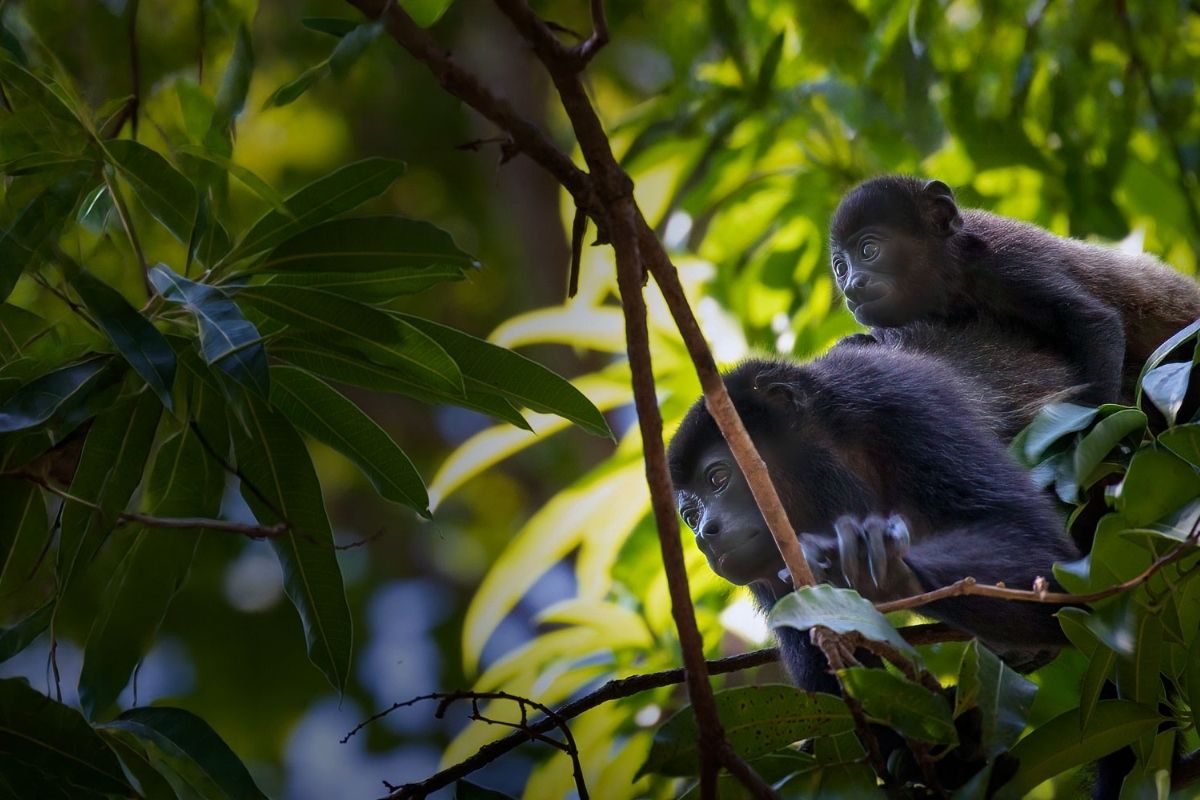
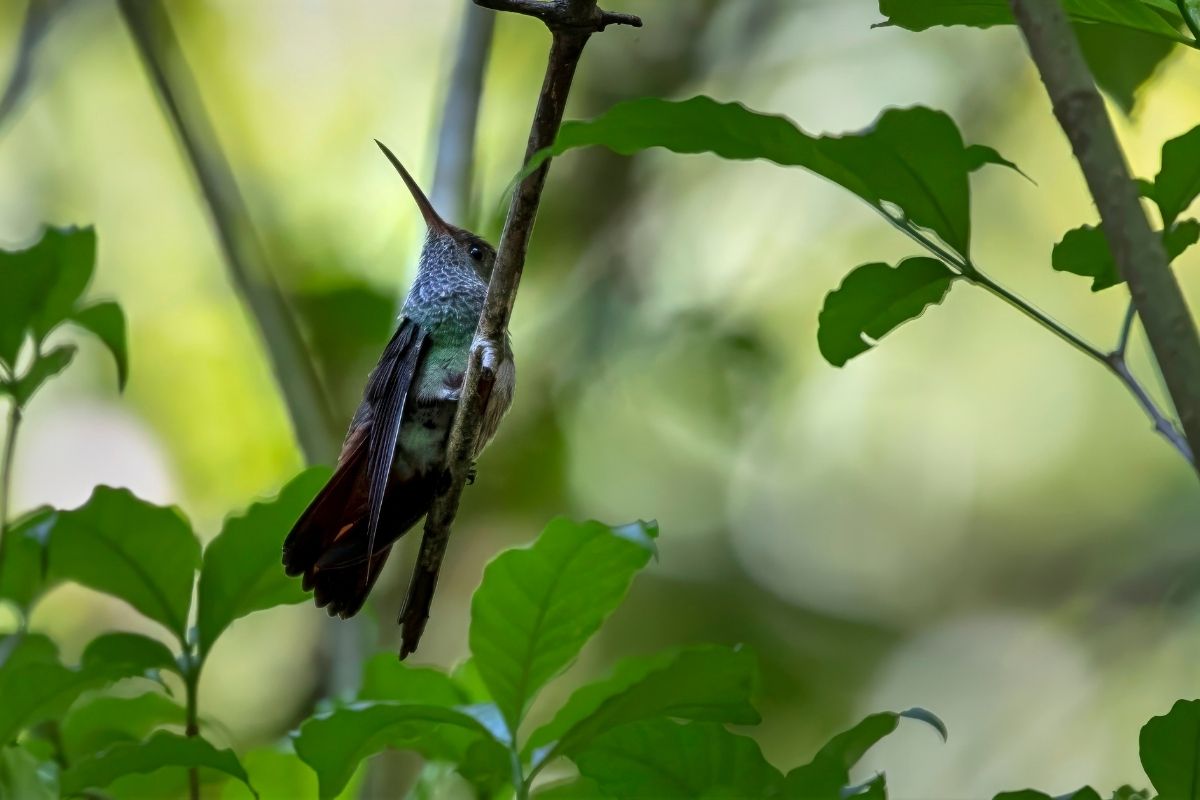
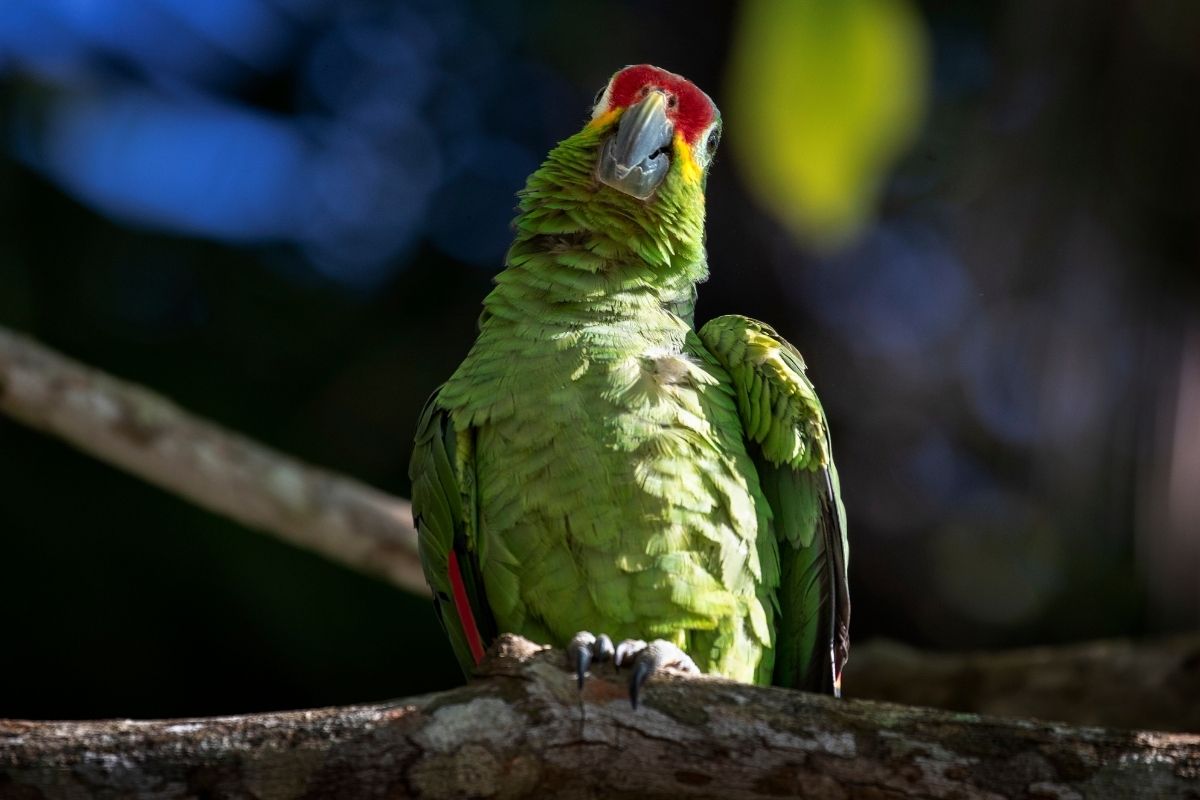
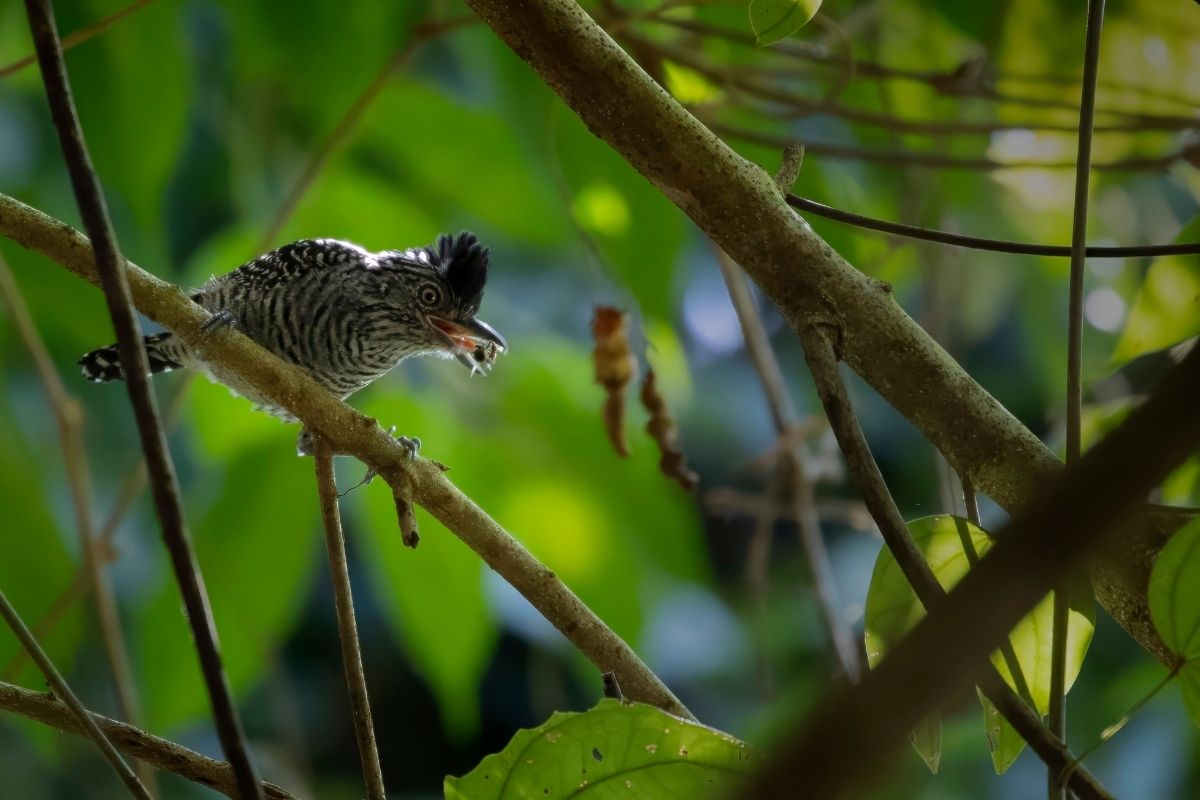
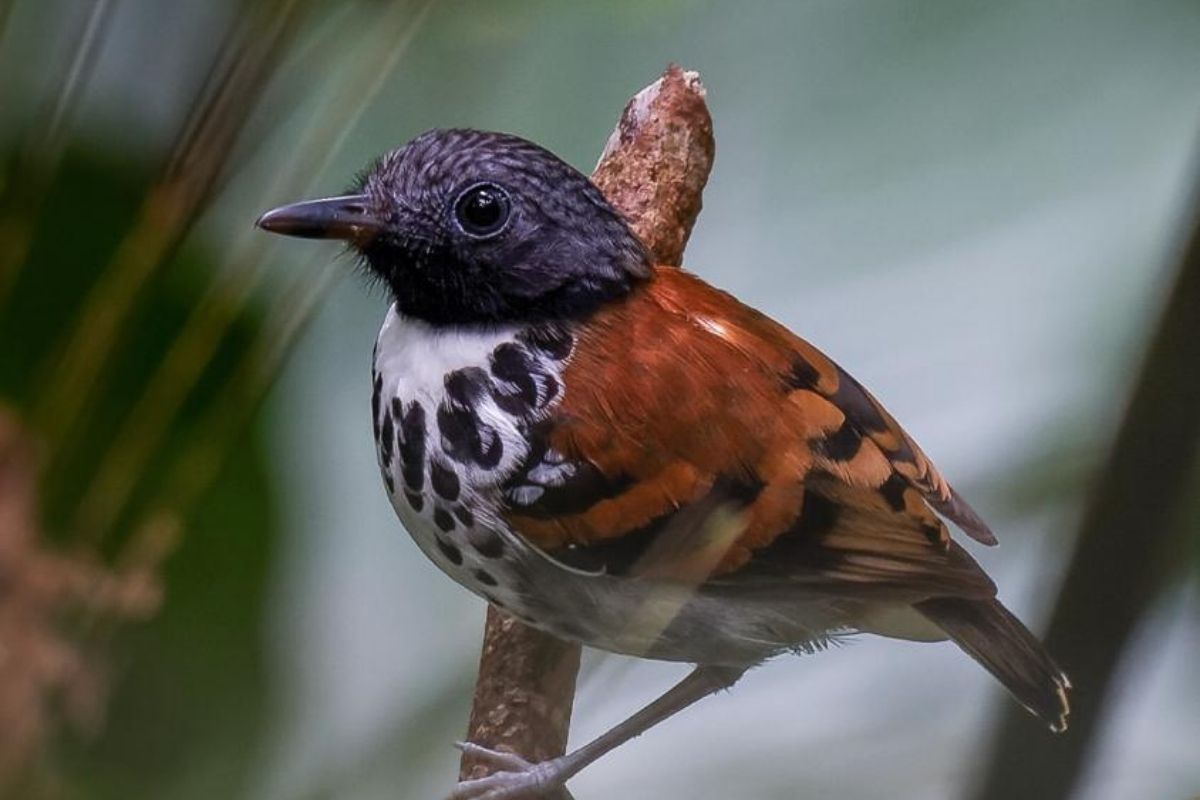
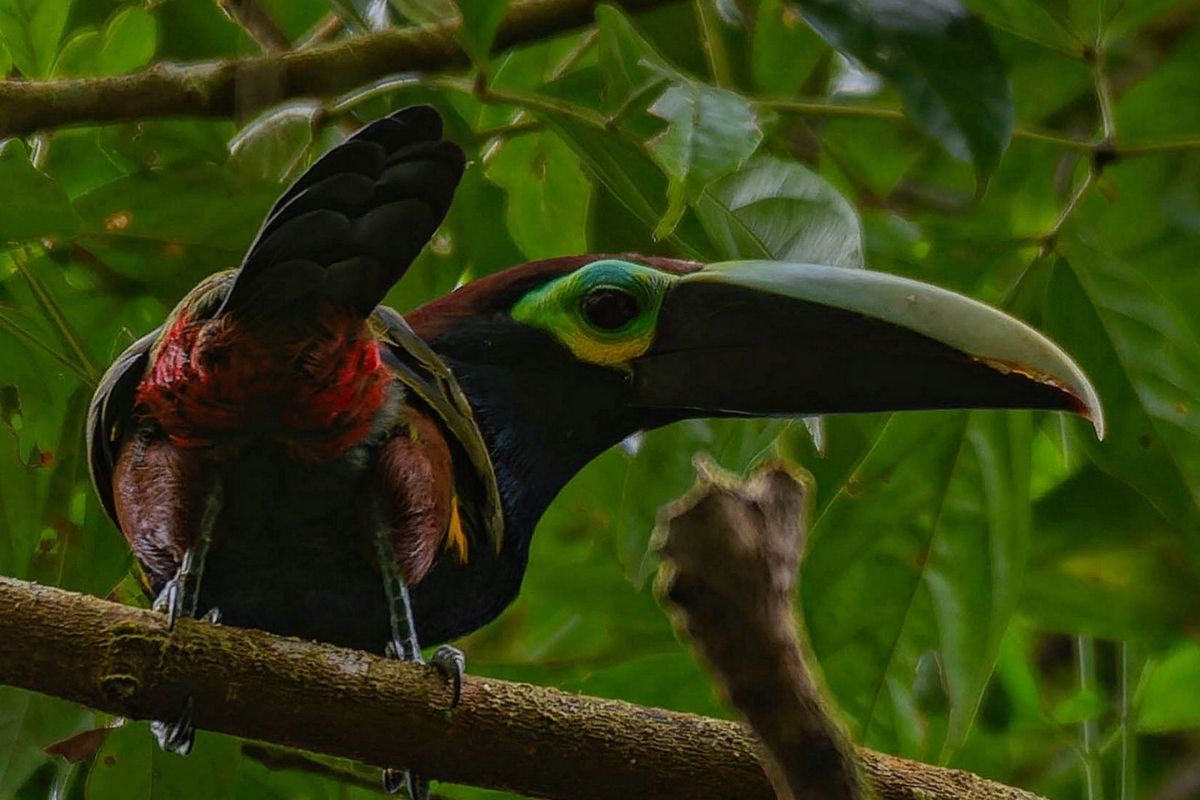
With incredibly rich marine and terrestrial habitats, wildlife lovers are utterly spoiled for choice in this incredibly diverse region. At sea, look out for blue-footed boobies diving into the water and predatory frigatebirds up above, always on the lookout for an easy meal, while flying fish glide elegantly away from the bow of the vessel. On shore, the jungles of Ecuador, Colombia and Panama are among the most biodiverse habitats on planet Earth, hosting enormous numbers of species found nowhere else. The jungle is never quiet – expect to hear the chirping of insects, wailing howler monkeys, and the calls of a plethora of bird species, so be sure to pack your binoculars!
The Climate of Panama and the Pacific Coast
Situated directly on the Equator, the Pacific coast of northern South America is typically hot and tropical. In Ecuador, temperatures are fairly consistent year-round, with a wet season from December to May and a dry season from June to November, while coastal cities such as Manta experience periods of arid weather producing a savanna climate. Further north on the Pacific coast of Colombia, there is even less seasonal variation, with temperatures hovering consistently around 30°C (86°F) and extremely heavy rainfall producing intense humidity and typically overcast days. Panama experiences its wet season between June and November, and a dry season from December to May.
Climate data for Manta, Ecuador:
| AVERAGE HIGH | AVERAGE LOW | PRECIPITATION | |
|---|---|---|---|
| January | 29.8°C (86°F) | 22.6°C (73°F) | 30mm (1.2in) |
| February | 29.8°C (86°F) | 23.1°C (74°F) | 67mm (2.6in) |
| March | 29.9°C (86°F) | 23.0°C (74°F) | 76mm (3in) |
| April | 30.2°C (86°F) | 22.7°C (73°F) | 31mm (1.2in) |
| May | 30.1°C (86°F) | 22.3°C (72°F) | 3mm (0.1in) |
| June | 28.8°C (84°F) | 21.3°C (70°F) | 3mm (0.1in) |
| July | 28.2°C (83°F) | 20.5°C (69°F) | 0mm (0.0in) |
| August | 28.3°C (83°F) | 20.2°C (68°F) | 0mm (0.0in) |
| September | 28.0°C (82°F) | 20.2°C (68°F) | 3mm (0.1in) |
| October | 28.1°C (83°F) | 20.5°C (69°F) | 1mm (0.04in) |
| November | 28.5°C (83°F) | 21.0°C (70°F) | 0mm (0.0in) |
| December | 29.3°C (85°F) | 21.6°C (71°F) | 3mm (0.1in) |
Climate data for Panama City, Panama:
| AVERAGE HIGH | AVERAGE LOW | PRECIPITATION | |
|---|---|---|---|
| January | 31.7°C (89°F) | 24.4°C (76°F) | 29mm (1.2in) |
| February | 31.7°C (89°F) | 24.4°C (76°F) | 10mm (0.4in) |
| March | 32.2°C (90°F) | 25°C (77°F) | 13mm (0.5in) |
| April | 32.2°C (90°F) | 25.6°C (78°F) | 65mm (2.6in) |
| May | 31.1°C (88°F) | 25.6°C (78°F) | 225mm (8.9in) |
| June | 30.6°C (87°F) | 25°C (77°F) | 235mm (9.3in) |
| July | 30.6°C (87°F) | 25°C (77°F) | 168mm (6.6in) |
| August | 30.6°C (87°F) | 25°C (77°F) | 220mm (8.6in) |
| September | 30.0°C (86°F) | 24.4°C (76°F) | 254mm (10in) |
| October | 29.4°C (85°F) | 24.4°C (76°F) | 331mm (13in) |
| November | 30.0°C (86°F) | 24.4°C (76°F) | 252mm (9.9in) |
| December | 30.6°C (87°F) | 24.4°C (76°F) | 105mm (4.1in) |