
The Humboldt Coast
Rich Seas, Arid Deserts and Ancient Heritage
From the edge of Patagonia to the Equator, the Pacific coast of South America is dominated by the Humboldt Current, a powerful stream of cold Antarctic water which brings nutrients and oxygen-rich water to the surface. This is the basis of the food chain in one of Earth’s most biologically productive regions, where rich seas, arid deserts, vibrant cities and rich Indigenous culture combine to create a superlative travel experience. From the bustling ports of Valparaíso and Lima to the breathtaking Atacama Desert, wildlife-rich offshore islands and jaw-dropping ancient sites such as the legendary Nazca Lines, visitors here are spoiled for choice!
Why Visit the Humboldt Coast?
Vibrant wildlife, ancient mysteries, bold flavors and the breathtaking Atacama Desert are all part of the unique Humboldt Coast travel experience.
Vibrant Wildlife
Flavor Sensations
Experience the Atacama
See the Nazca Lines
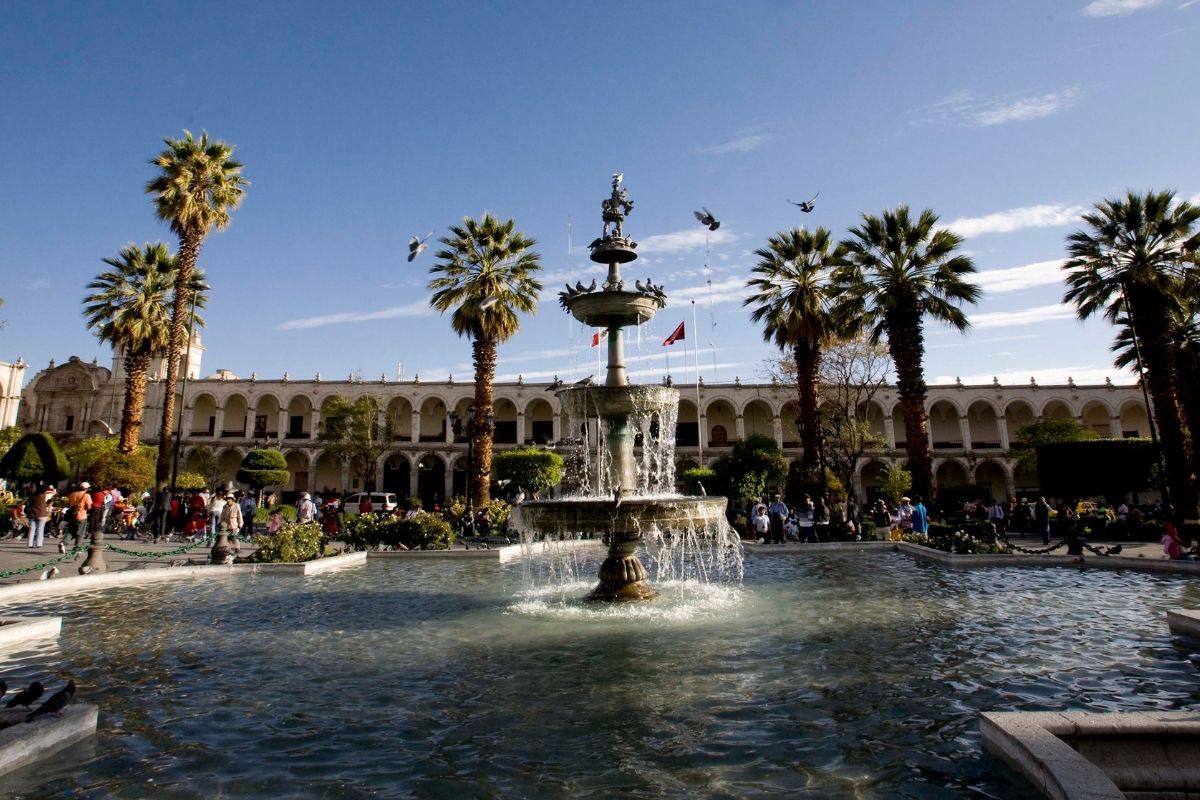
Hit the Shops
Map of The Humboldt Coast
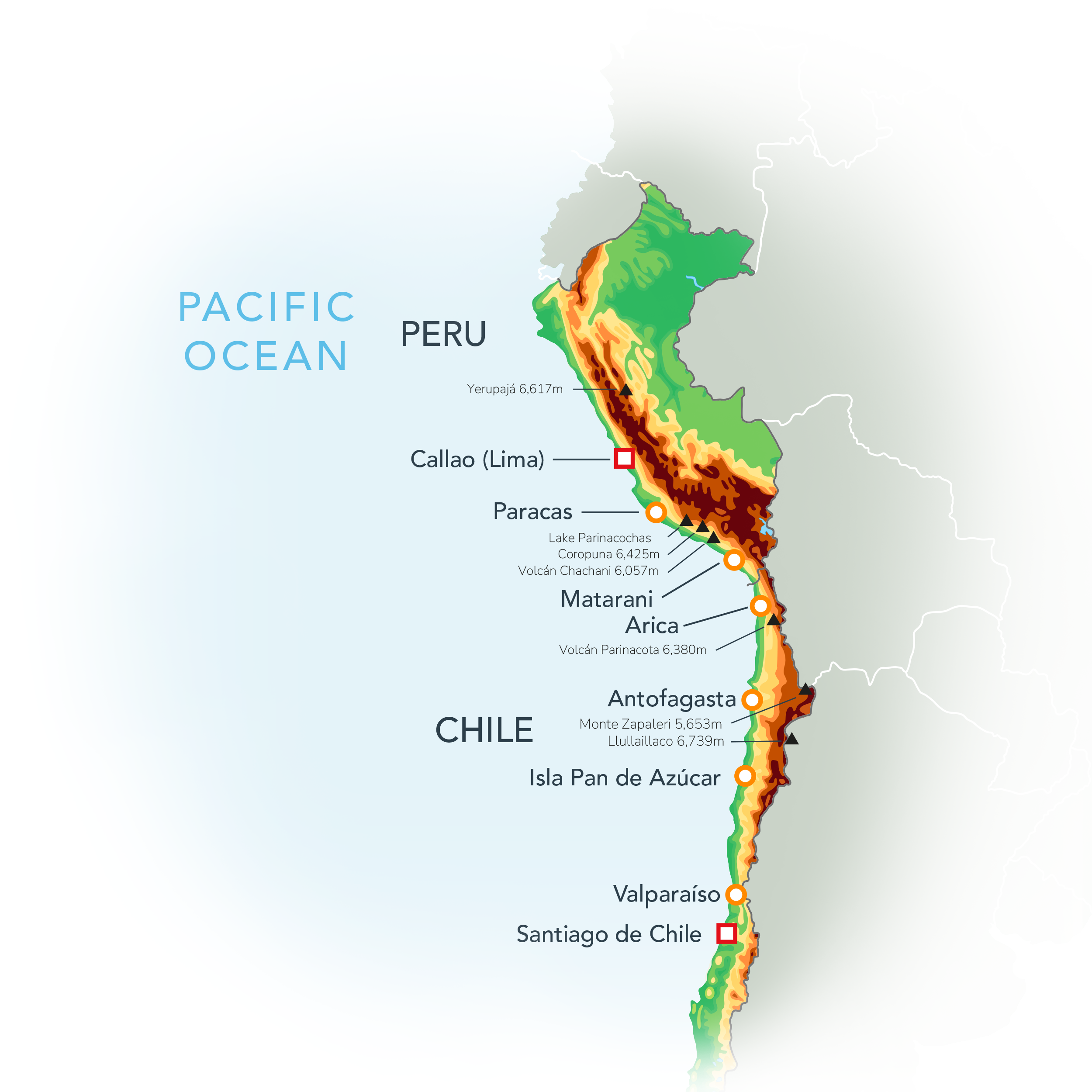
Geography of The Humboldt Coast
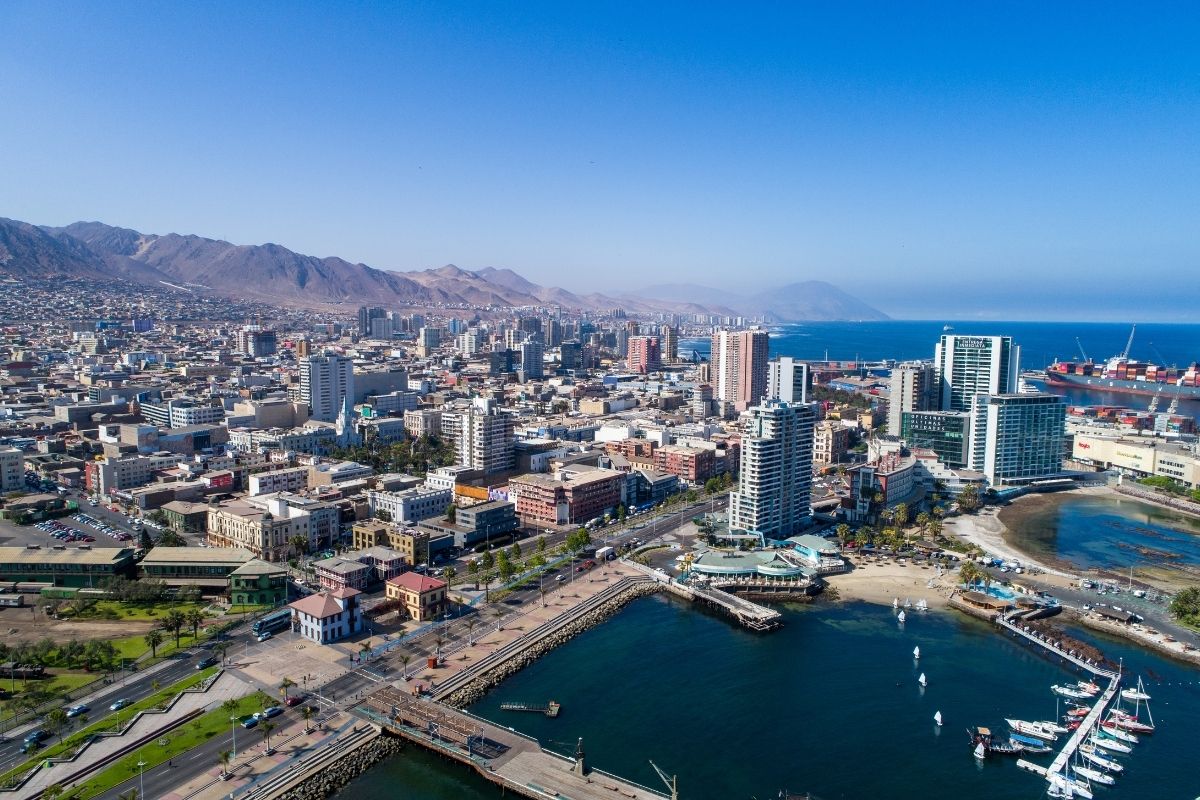
In northern Chile and along the Peruvian coast, desert is the predominant environment. The Humboldt Current originates in Antarctica and is therefore much colder than most waters in the Pacific, which inhibits evaporation and ensures the region remains dry. In Peru, this desert is known as the Sechura Desert; although dry, it holds more than 50% of the country’s population, mainly centered around port cities such as Lima and Trujillo. In Chile, the coastal desert is considered an extension of the Atacama. This is not to say, however, that the desert is lifeless. Oceanic air masses rain out their moisture over the Andes, which rise to almost seven thousand meters in northern Chile and Peru, with most of it falling as snow on the highest peaks. During summer, the ice and snow slowly melt, producing small but vital rivers which flow through the desert and supply major cities such as Lima, Arica and Antofagasta. Along these river valleys, the desert blooms in green strips where warm, stable temperatures allow up to three crops per year. The mountains are also vital to the economies of both countries – Chile alone produces almost a quarter of the global copper supply.
The Cradle of the Inca – the History of The Humboldt Coast
Evidence of sophisticated human cultures in this region dates far back into prehistory. Groups such as the Chinchorro flourished along these coasts as far back as 9,000 years ago, leaving behind their carefully mummified loved ones, while the Caral-Supe civilization flourished from around 2500 BC, around the same time as civilizations in Egypt and Mesopotamia. A bewildering array of sophisticated cultures followed, including the Moche, the Wari and the Tiwanaku.
In the 12th century, a tribe claiming the mandate of the Sun God carved out a city-state in Cusco. These were the Inca, rulers of Tawantinsuyu (‘The Land of Four Parts’), the largest polity in the pre-Columbian Americas, stretching from Ecuador to Santiago de Chile at its height in the late 1400s. By the 1530s, the empire was embroiled in a brutal succession war when Francisco Pizarro and his small group of 168 conquistadors arrived. At Cajamarca, the Sapa Inca (Emperor) Atahualpa was captured and an extortionate ransom paid, after which the Spanish broke their word and executed him.
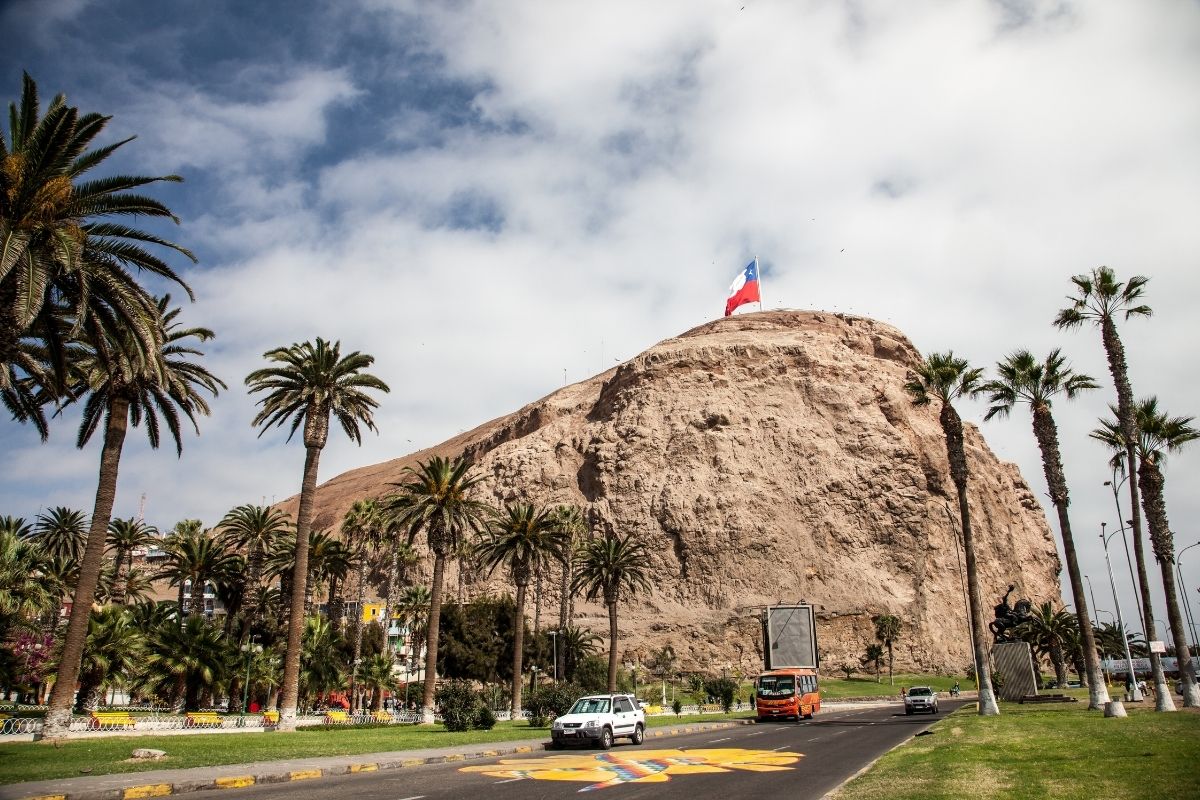
Governed from the port city of Lima, capital of the Viceroyalty of Peru, the region remained under Spanish rule until Argentine liberator José de San Martín declared Peruvian independence in 1821, with Spanish rule finally ending at the Battle of Ayacucho in 1824. Almost immediately, the new South American states fell to warring among themselves – most notably in the War of the Pacific (1879–1884), in which Chile captured Bolivia’s coastline, cutting the country off from the ocean. Access to the Pacific remains a contentious topic in Bolivia to this day.
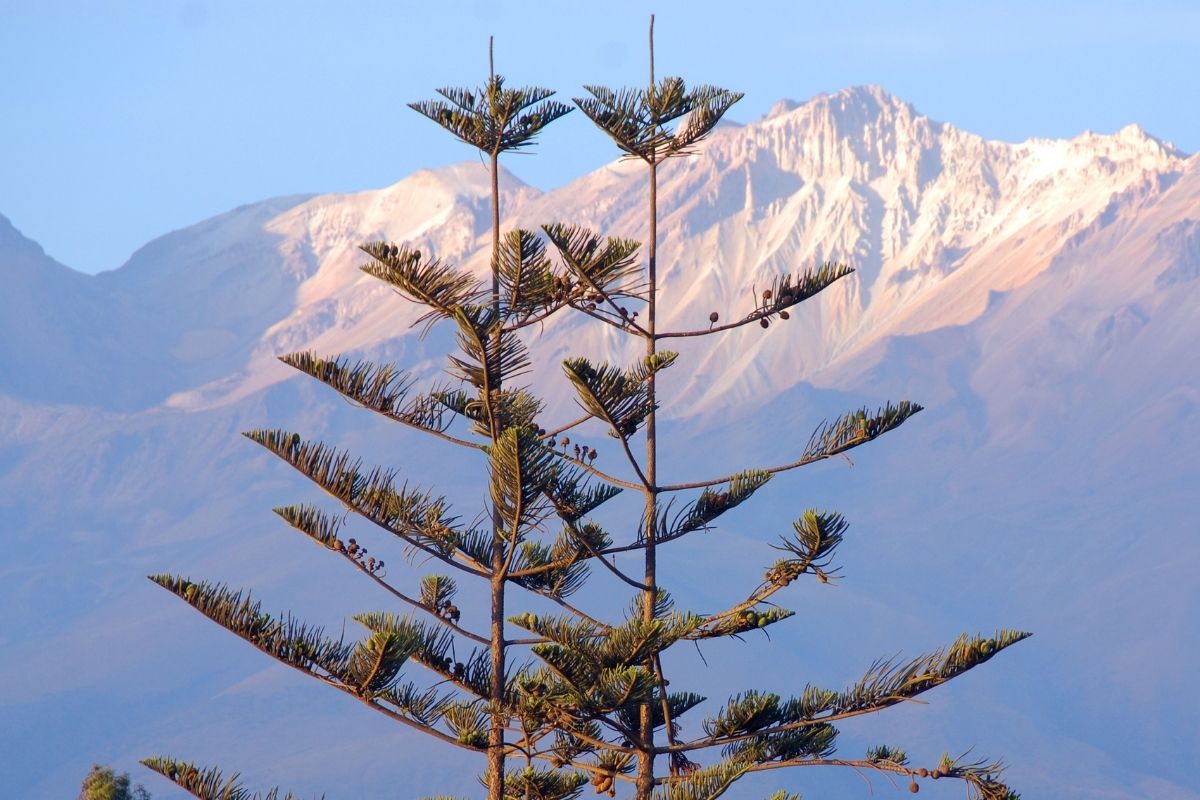
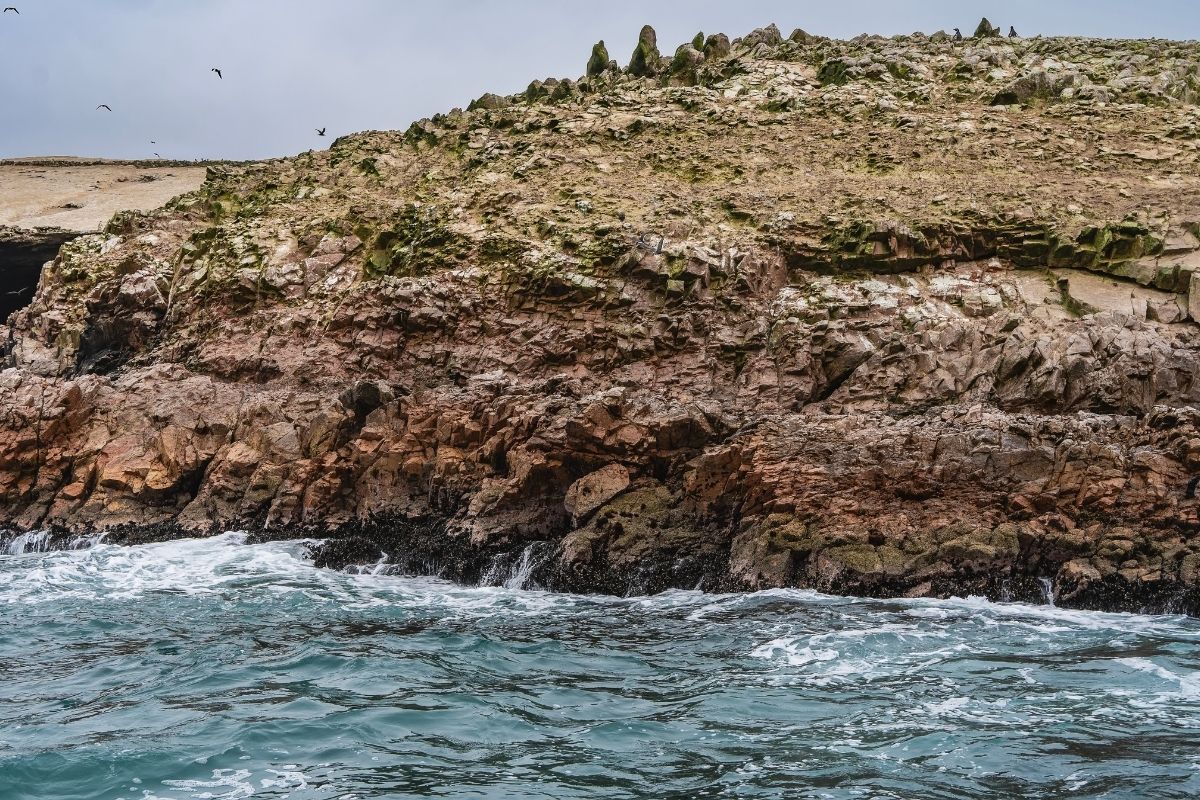
Wildlife of The Humboldt Coast
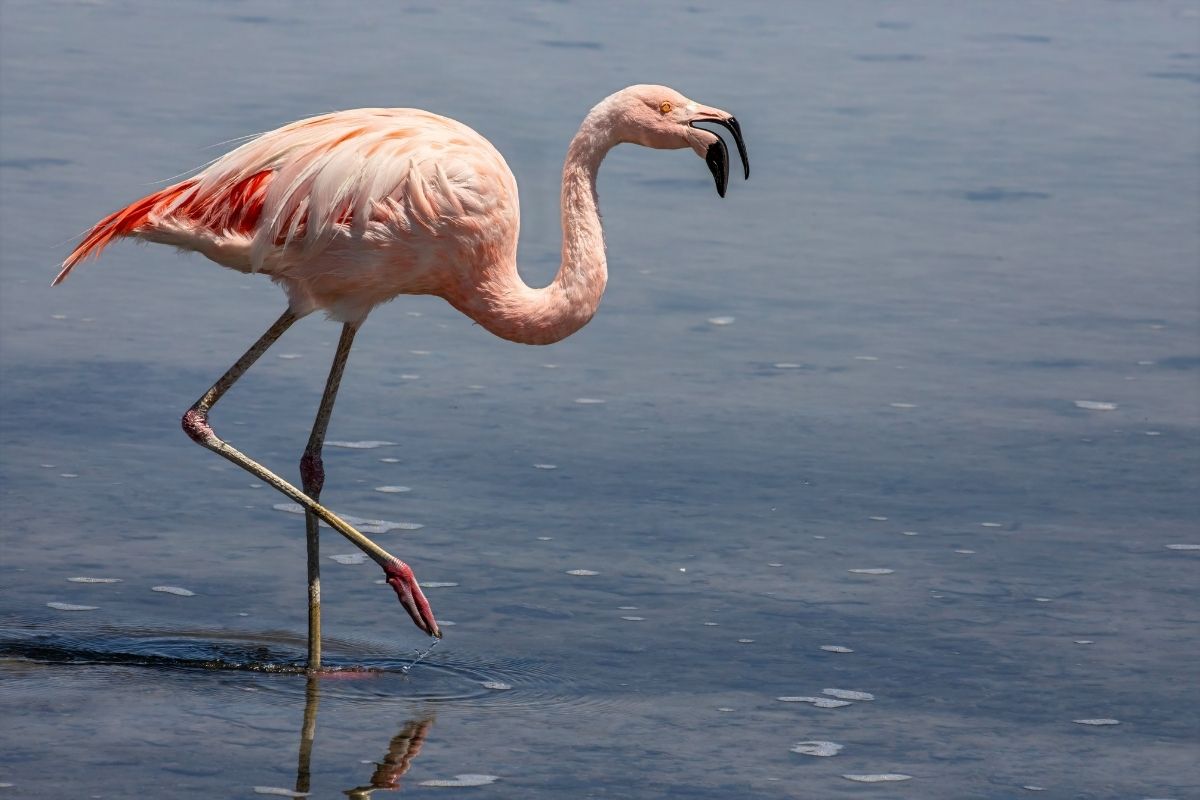
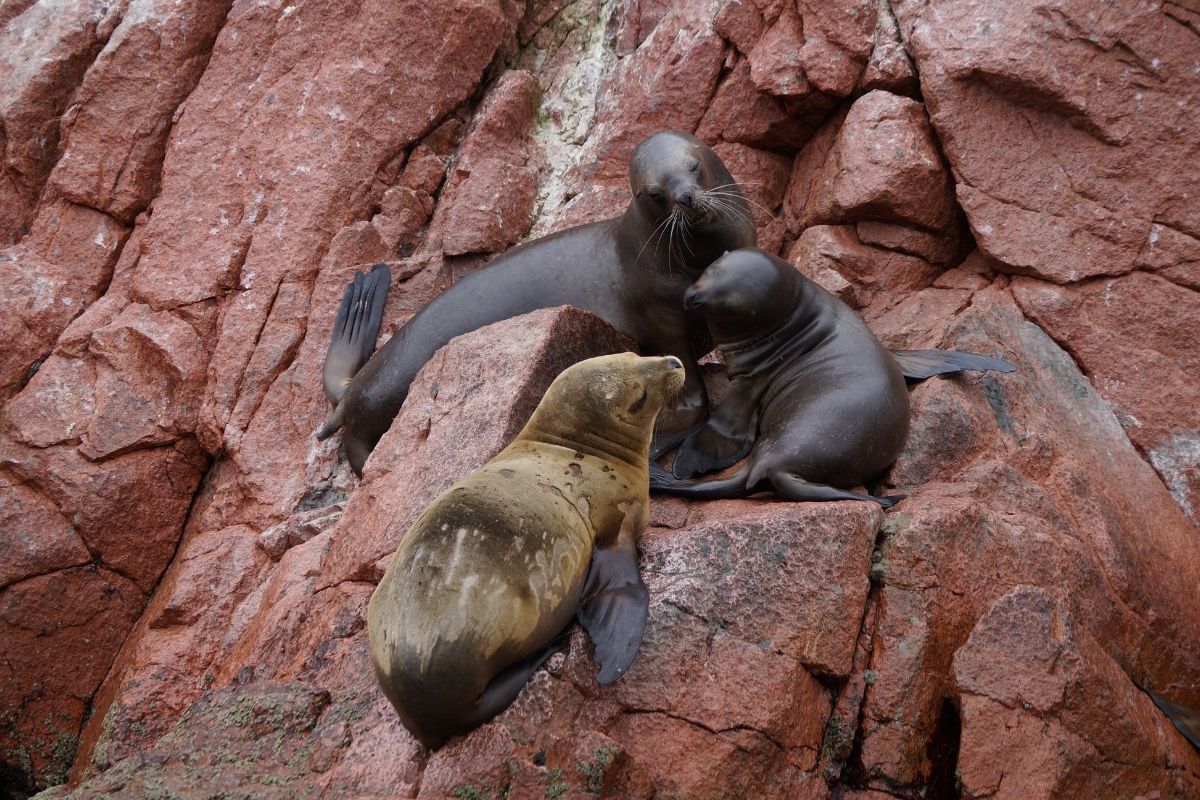
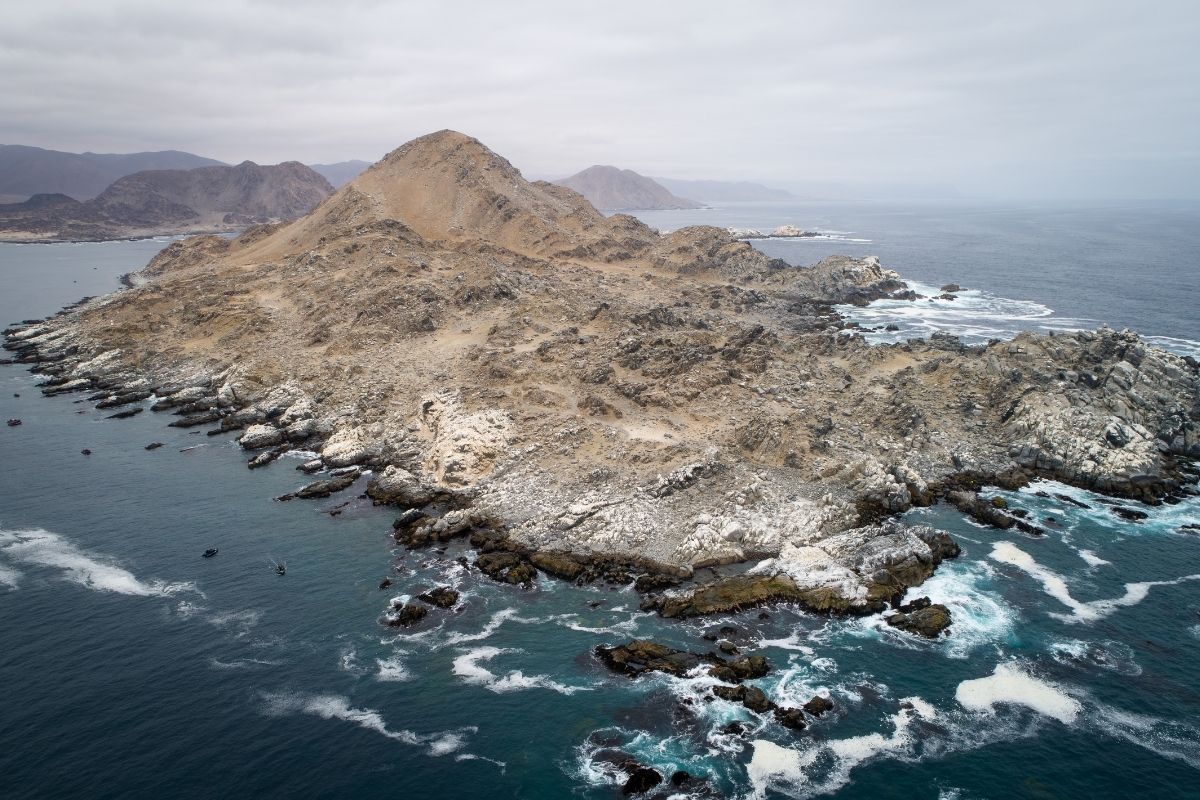
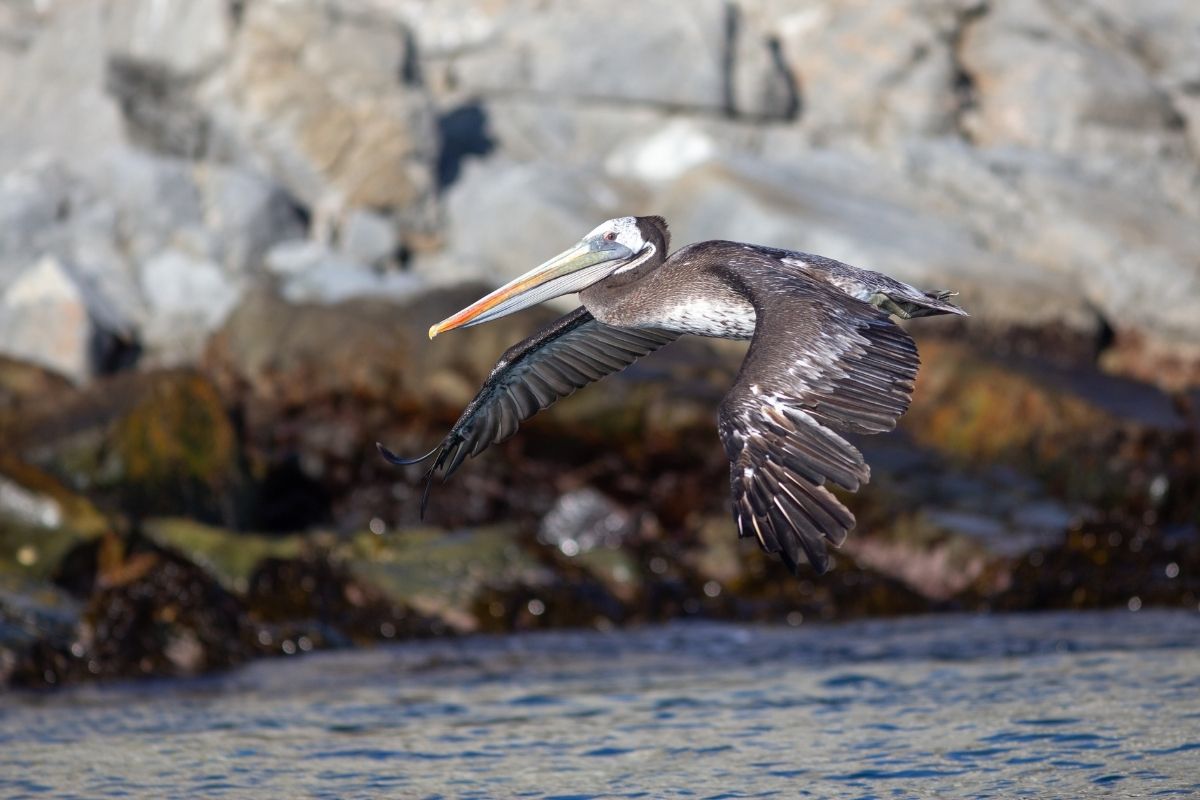
The wildlife of the Humboldt Coast region is typically South American. On shore, most of the wildlife is heavily adapted to the arid conditions – camelids such as vicuñas and guanacos (and their domesticated counterparts, llamas and alpacas) are common, while viscachas and other hardy rodents can be found even in the highest and driest regions, along with the culpeo foxes which hunt them. The region is a paradise for birdwatchers, with birdlife ranging from gigantic Andean condors to tiny fluttering hummingbirds, and from elegant flamingos to scampering Humboldt penguins. Offshore, enormous seabird colonies on islands such as Isla Pan de Azúcar hold penguins, pelicans, boobies and more, as well as South American sea lions and humpback whales.

With over 22 different species worldwide, and considered one of the largest living flying seabirds by its wingspan (which can be larger the size of...

An encounter with a Humpback Whale is always a top experience for our guests, with these impressively huge animals curiously approaching our ships...

Orca or ‘killer whales’ might be one of the most well-known and distinctive creatures that we encounter on our voyages to Antarctica. Identifiable...
The Climate of The Humboldt Coast
The coastal regions of northern Chile and Peru are dominated by arid desert, and cities such as Antofagasta are known as some of the driest in the world. However, trapped between the natural barrier of the Andes and the moderating effects of the Humboldt Current, the climate is remarkably stable, with few weather extremes and small seasonal variation. Temperatures are warm year-round but rarely overly hot, and cities such as Lima are renowned for their morning sea fogs – about the only atmospheric moisture the region receives.
The El Niño climate oscillation is a key feature of the region, drastically increasing sea surface temperatures every few years and bringing heat waves along with increased rainfall. This can cause significant flooding and landslides, but also provides life-giving water to the desert ecosystem.
Climate data for Arica, Chile:
| AVERAGE HIGH | AVERAGE LOW | PRECIPITATION | |
|---|---|---|---|
| January | 25.7°C (78°F) | 19.9°C (68°F) | 0.4mm (0.02in) |
| February | 26.2°C (79°F) | 20.2°C (68°F) | 0.3mm (0.01in) |
| March | 25.4°C (78°F) | 19.3°C (67°F) | 0.3mm (0.01in) |
| April | 23.5°C (74°F) | 17.4°C (64°F) | 0.0mm (0.0in) |
| May | 21.3°C (70°F) | 16°C (61°F) | 0.1mm (0.0in) |
| June | 19.3°C (67°F) | 15.3°C (59°F) | 0.2mm (0.01in) |
| July | 18.2°C (65°F) | 14.6°C (58°F) | 0.5mm (0.02in) |
| August | 18.2°C (65°F) | 14.8°C (59°F) | 0.1mm (0.0in) |
| September | 18.9°C (66°F) | 15.2°C (59°F) | 0.3mm (0.01in) |
| October | 20.4°C (69°F) | 16.1°C (61°F) | 0.0mm (0.0in) |
| November | 22.2°C (72°F) | 17.2°C (63°F) | 0.0mm (0.0in) |
| December | 24°C (75°F) | 18.4°C (65°F) | 0.1mm (0.0in) |
