Highlights from a recent conversation with Dr. Annette Bombosch, co-founder of the Polar Citizen Science Collective and our Lead Citizen Science Coordinator.
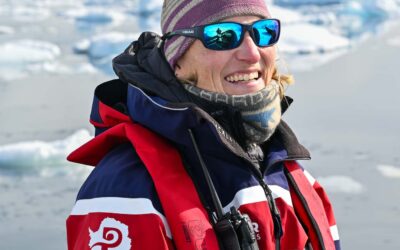
When Travel and Science Join Hands, Great Things Happen
read more

Highlights from a recent conversation with Dr. Annette Bombosch, co-founder of the Polar Citizen Science Collective and our Lead Citizen Science Coordinator.
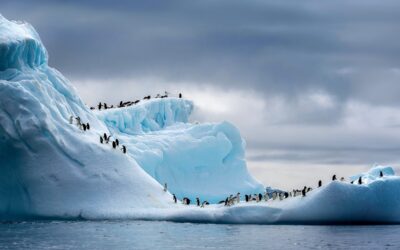
Oceanites is counting penguins. Why that matters to all of us.
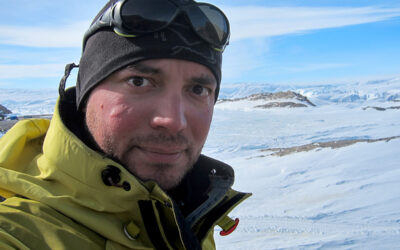
Woods Hole Oceanographic Institution is working hard to safeguard our oceans, and our planet. Woods Hole Oceanographic Institution (WHOI) is the largest independent, non-profit ocean research organization in the world. We asked Dr. Daniel Zitterbart, Associate...
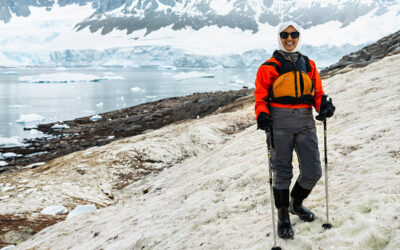
What is a halal Antarctica cruise really like? Discover Mariam Amini’s experience of Polar Latitudes Expeditions’ first halal-friendly expedition.

A capital city of 19,800 people, built where a fjord meets the sea. Nuuk’s history stretches back 4,000 years, and its harbor still draws humpback whales.
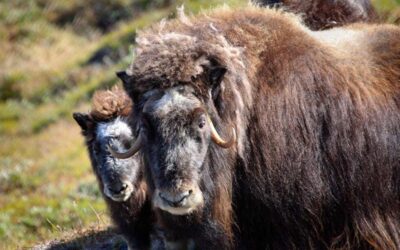
Woolly mammoths went extinct. Saber-toothed cats went extinct. The musk ox is still here. Encounter an Ice Age survivor on Greenland expeditions.
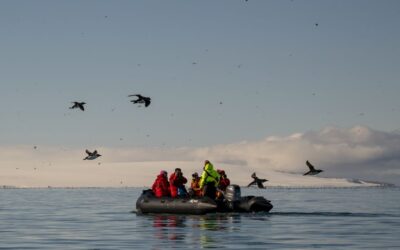
In the high Arctic, the Brünnich’s Guillemot looks a bit like a penguin until it takes to the air. It’s one of the most remarkable seabirds known for its deep dives and cliff nests.
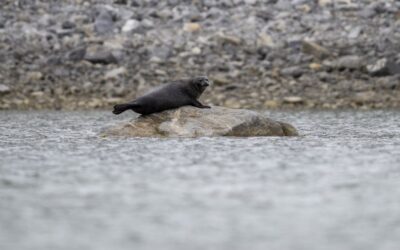
Remove the ringed seal from the Arctic and the food web collapses. It is the animal that keeps everything else alive. Find out why on a Svalbard expedition.

Where the world’s most productive glacier meets the sea, icebergs tower over a town of 4,900 people. Ilulissat is one of a kind.
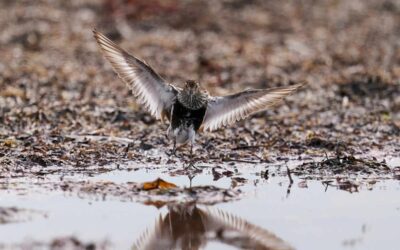
Small but fast, the dunlin breeds on Arctic tundra each summer before migrating thousands of kilometers south. Look for its black belly patch in Svalbard and Iceland.
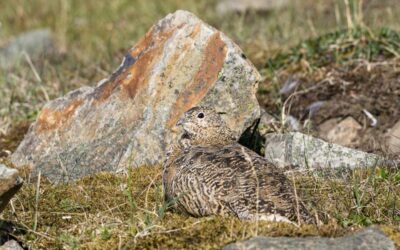
Three times a year, the rock ptarmigan vanishes. White against snow, brown against tundra, gray against scree. It never leaves the Arctic. It just becomes it.
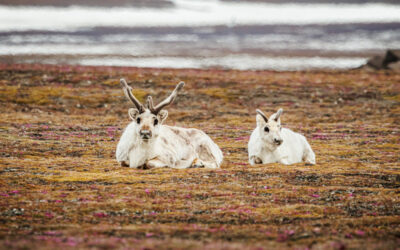
Meet the Svalbard reindeer, the smallest species of reindeer, which has evolved to endure freezing temperatures, navigate the Arctic landscape, and find food in extreme conditions.